Cast Iron Seasoning: 4-Step Guide To A Lasting Nonstick
Unlock the secrets to a lifelong nonstick cast iron skillet with expert seasoning techniques for beginners and pros alike.
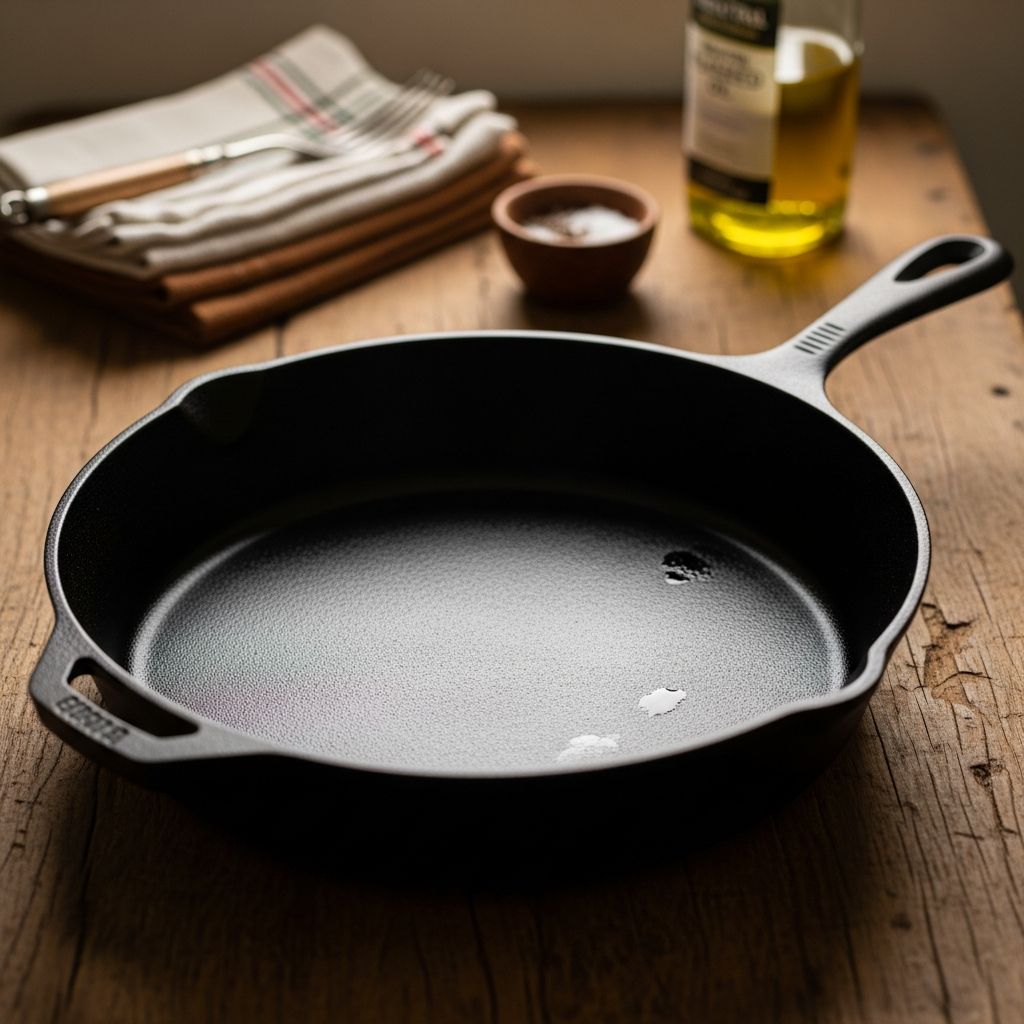
Cast iron cookware stands as a kitchen essential, prized for its heat retention, versatility, and ability to develop a natural nonstick surface through proper seasoning. This process involves creating protective layers of polymerized oil that bond to the iron, preventing rust and enhancing cooking performance. Whether you have a new pan or one needing revival, understanding seasoning transforms ordinary cast iron into a heirloom-quality tool.
Understanding the Science Behind Seasoning
Seasoning occurs when fats or oils are heated to high temperatures, causing them to break down and form a hard, glass-like coating on the metal surface. This polymerization process creates multiple thin layers that build resilience against acidity, moisture, and wear. High smoke point oils like flaxseed, grapeseed, or avocado work best because they withstand oven temperatures without burning or leaving sticky residues.
The key is applying extremely thin layers—excess oil leads to gummy buildup, while insufficient coverage fails to protect. Over time, regular cooking reinforces these layers, making the surface smoother and more nonstick. Neglect this, and rust forms from exposure to water and oxygen.
Preparing Your Cast Iron for Initial Seasoning
Before seasoning, clean the pan thoroughly to expose bare metal. For new skillets, even pre-seasoned ones often have factory coatings that must be removed.
- Wash with hot, soapy water and a stiff brush or steel wool to strip residues—this is the only time soap is recommended.
- Rinse and dry immediately with a towel, then heat on the stovetop over medium heat to evaporate all moisture.
- Inspect for rust or pitting; light rust can be scrubbed off, but deep damage may require professional restoration.
Preheat your oven to remove any lingering dampness, ensuring a pristine base for oil application.
Step-by-Step Initial Seasoning Process
Follow this reliable oven method, adapted from manufacturer guidelines and expert practices, for a strong foundation.
- Apply oil thinly: Use a high smoke point fat like shortening, flaxseed, or neutral oil. Pour a small amount into the pan and spread with a paper towel or cloth, wiping until no visible oil remains—just a faint sheen.
- Position in oven: Place foil on the lower rack to catch drips. Set the skillet upside down on the middle rack to prevent pooling.
- Bake at high heat: Preheat to 450-500°F (230-260°C). Bake for 1 hour, then turn off the oven and cool completely inside (several hours). This gradual cooling bonds the oil deeply.
- Repeat for layers: Perform 2-4 cycles for optimal results. Each layer interlocks, creating a durable, glossy finish.
For a stovetop alternative, heat the oiled pan over low flame until it smokes lightly, wipe, and repeat. This suits quick touch-ups but oven methods yield even coverage.
Comparing Popular Seasoning Oils and Fats
Choosing the right oil impacts durability and finish. Here’s a comparison:
| Oil/Fat | Smoke Point | Best For | Pros | Cons |
|---|---|---|---|---|
| Flaxseed | 225°F | Glossy finish | Hardens exceptionally | Expensive, strong flavor |
| Crisco Shortening | 360°F | General use | Affordable, neutral | Can feel tacky if overapplied |
| Avocado | 520°F | High-heat baking | Stable, healthy | Costly |
| Grapeseed | 420°F | Maintenance | Light, neutral | Less hardening power |
| Canola | 400°F | Beginners | Cheap, available | Moderate results |
Flaxseed excels for its superior polymerization, while shortening offers reliability for everyday users.
Daily Maintenance to Preserve Your Seasoning
Seasoning thrives with use—cook fatty foods like bacon or steak to naturally build layers. After each meal:
- Clean gently: Scrape residue with a plastic scraper or chainmail scrubber. Use hot water and minimal mild soap only if needed; avoid dishwashers.
- Dry thoroughly: Towel dry, then heat on stovetop until water evaporates.
- Re-oil lightly: Rub in a tiny amount of oil and wipe excess. Heat until smoking faintly, then cool.
This routine, done consistently, keeps the pan rust-free and nonstick. Cooking acidic foods like tomatoes sparingly prevents stripping.
Restoring Neglected or Rusty Cast Iron
If rust appears or seasoning fades, revive it without buying new.
- Scrub rust with steel wool and soap until bare metal shows.
- Wash, dry, and heat as in preparation.
- Season with 3-6 oven cycles, checking for even black patina.
- For heavy buildup, simmer a vinegar-water mix (1:1), scrub, then reseason.
Annual deep seasoning on the grill or smoker at 400°F for an hour reinforces protection. Patience yields a like-new pan.
Common Mistakes and How to Avoid Them
Many pitfalls derail seasoning—learn from them:
- Too much oil: Causes stickiness. Always wipe to a whisper-thin layer.
- Low temperatures: Below 450°F fails to polymerize. Crank the heat.
- Soap overuse: Strips layers. Reserve for initial cleans.
- Storing wet: Invites rust. Dry and oil every time.
- Ignoring cooking habits: Acidic or dry foods wear seasoning faster—balance with oils.
Avoid boiling water in the pan, as it softens but damages coatings.
Advanced Techniques for Pro-Level Finishes
For enthusiasts, experiment with multi-stage methods. One approach: Heat to 200°F, oil with shortening, wipe, bake at increasing temps (300°F for 15 min, then 400°F for 2 hours), wiping midway for smoothness. Flaxseed at 480°F with mid-bake re-oiling builds exceptional hardness. Outdoor smokers add smoky depth without kitchen mess. Track progress: A well-seasoned pan sizzles water into beads, fries eggs without oil.
Frequently Asked Questions (FAQs)
Can I use olive oil for seasoning?
Its low smoke point (around 375°F) risks burning and flaking. Opt for higher alternatives.
How often should I reseason?
With regular use and maintenance, once yearly suffices; more if faded.
Is pre-seasoned cast iron ready to cook?
It has a basic layer but benefits from additional seasoning for peak performance.
What if my pan is sticky after seasoning?
Over-oiled—heat and wipe repeatedly until dry to touch.
Can I season enameled cast iron?
No, enamel is permanent; focus on bare iron only.
Troubleshooting Seasoning Issues
| Problem | Symptom | Solution |
|---|---|---|
| Rust spots | Orange patches | Scrub, dry, reseason 3x |
| Food sticking | Uneven browning | Build more layers via cooking |
| Gummy surface | Tacky feel | Burn off excess at 500°F, wipe |
| Flaking seasoning | Peeling bits | Strip to metal, restart process |
Recipes to Build Seasoning Naturally
Start with these to accelerate development:
- Bacon or fatty meats: Rendered fat reinforces layers.
- Stir-fries: High heat with oil promotes bonding.
- Cornbread: Oils in batter create even coats.
- Eggs after seasoning: Test nonstick success.
Aim for 10-20 uses to see patchwork layers unify into a mirror-like sheen.
Mastering cast iron seasoning rewards with a versatile, indestructible pan. Consistent care ensures it outperforms modern nonstick alternatives for generations.
References
- How to Season – Lodge Cast Iron — Lodge Cast Iron. 2023. https://www.lodgecastiron.com/pages/how-to-season
- Jeff Rogers’ Cast Iron Seasoning Method — The Culinary Fanatic. 2022. https://www.theculinaryfanatic.com/jeff-rogers-cast-iron-seasoning-method
- Cast Iron Seasoning 101: How to Season, Maintain & Restore — Lodge Cast Iron (YouTube). 2021-10-15. https://www.youtube.com/watch?v=fPWE2KV89_Y
- How To Season Cast Iron (Like A Boss) — Jess Pryles. 2020. https://jesspryles.com/how-to-season-cast-iron-like-a-boss/
- Cast Iron 101: The Ultimate Beginner’s Guide — YouTube. 2023. https://www.youtube.com/watch?v=ZPsx3Saeuv4
Similar Articles







Read full bio of medha deb