Master Homemade Salad Dressings
Unlock the secrets to crafting fresh, flavorful salad dressings at home, from simple everyday mixes to gourmet creations that elevate any meal.
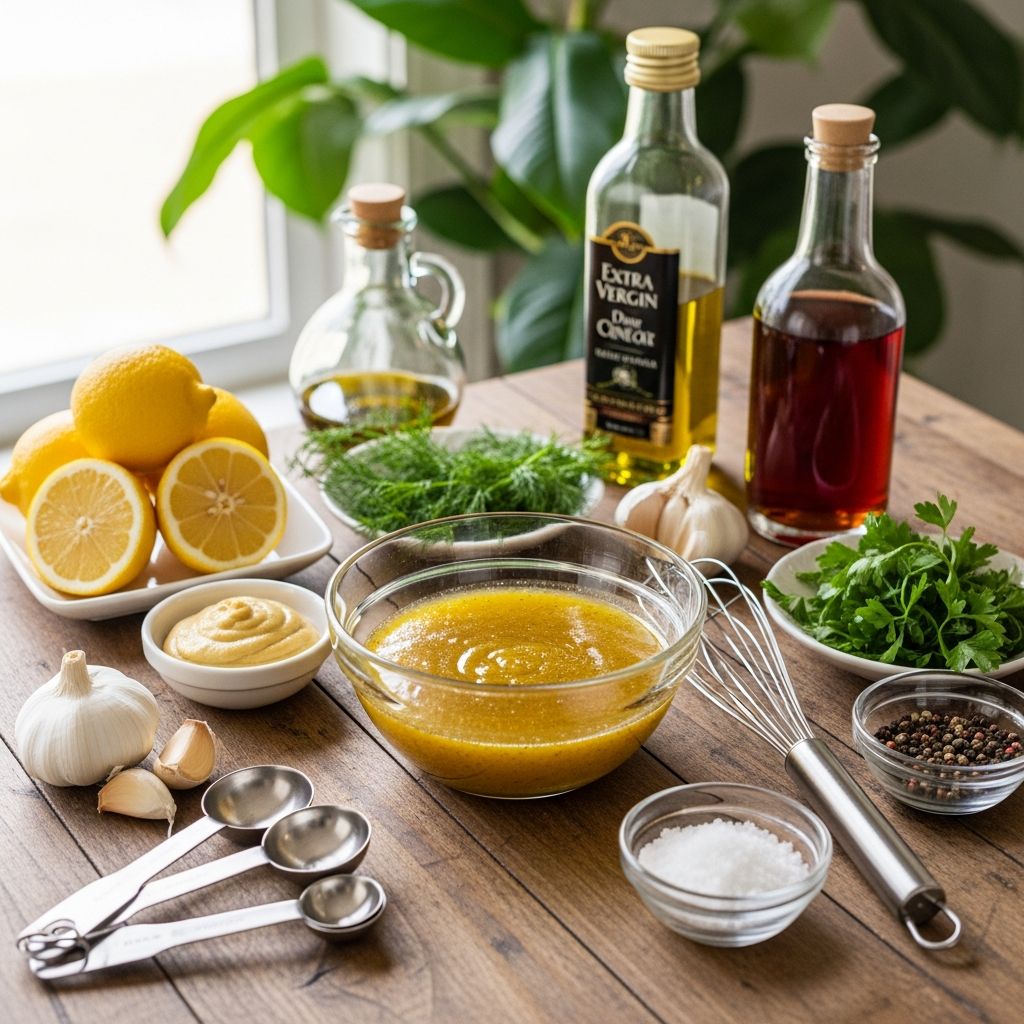
Creating your own salad dressings at home opens up a world of fresh flavors and customizable tastes that far surpass anything from a bottle. With just a handful of pantry staples, you can whip up dressings that complement any salad, from crisp greens to hearty grain bowls. This guide dives into the fundamentals, shares versatile recipes, and offers pro techniques to make dressing-making a breeze.
Why Choose Homemade Over Store-Bought
Store-bought dressings often pack hidden sugars, preservatives, and artificial additives that diminish both taste and nutrition. Homemade versions let you control every element, ensuring vibrant, wholesome results. You’ll save money in the long run, as basic ingredients like oil, vinegar, and herbs cost pennies per batch compared to commercial bottles.
Freshness is key: ingredients like minced garlic or chopped herbs release aromas and phytonutrients that bottled versions can’t match. Studies highlight garlic’s antibacterial and antioxidant benefits, making it a powerhouse addition to any mix. Plus, tailoring acidity, sweetness, or creaminess to your palate turns ordinary salads into standout dishes.
Core Ingredients for Success
Every great dressing balances a few essentials: fat for richness, acid for brightness, and seasonings for depth. Start with high-quality extras like extra-virgin olive oil, which imparts fruity notes crucial for vinaigrettes.
- Fats: Olive oil, grapeseed oil, avocado, or nut butters provide creaminess and mouthfeel.
- Acids: Vinegars (red wine, apple cider, rice) or citrus juices cut through richness.
- Emulsifiers: Mustard, honey, or garlic help bind oil and acid for a smooth texture.
- Flavor Boosters: Fresh or dried herbs (basil, dill, oregano), garlic, spices, and sweeteners like maple syrup.
A classic ratio is 3 parts fat to 1 part acid, adjustable to taste. For creamier styles, incorporate yogurt, mayo, or sour cream.
Basic Vinaigrette: Your Everyday Go-To
The simplest dressing starts here—a versatile base that pairs with nearly everything. Combine 3 tablespoons olive oil, 1 tablespoon vinegar or lemon juice, ½ teaspoon Dijon mustard, salt, pepper, and minced garlic. Shake in a jar for instant emulsion.
This yields about ¼ cup, enough for four servings. It clings lightly to leaves without sogginess. Variations abound: swap vinegar for balsamic on roasted veggies or add honey for sweetness.
| Variation | Key Swap | Best For |
|---|---|---|
| Herb-Infused | Add chopped parsley or basil | Green salads |
| Sweet Balsamic | Balsamic vinegar + honey | Caprese or fruit salads |
| Spicy Kick | Chili flakes + lime | Taco salads |
Creamy Dressings for Rich Indulgence
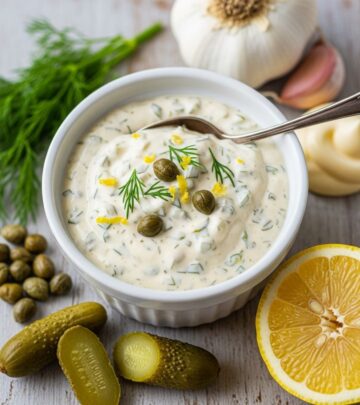
For those craving decadence, creamy dressings deliver. A Greek yogurt-based ranch mixes ¼ cup yogurt, ¼ cup mayo, milk for thinning, dill, garlic powder, onion powder, salt, and pepper. It’s dip-worthy too.
Caesar lovers rejoice: blend mayo, Dijon, white vinegar, Worcestershire, lemon juice, garlic, anchovy paste (optional), salt, and pepper. The umami from anchovy elevates it authentically. Oil-free options use avocado mashed with mustard, lime, water, garlic, and herbs for a silky, guilt-free alternative.
Adventurous Global Flavors
Branch out with international twists. Peanut lime dressing fuses ¼ cup lime juice, rice vinegar, soy sauce, grated ginger, sesame oil, and peanut butter—whisk for an Asian-inspired zing perfect over slaws or noodle salads.
Italian vinaigrette unites red wine vinegar, olive oil, basil, oregano, thyme, salt, and pepper for a herby punch on antipasti. Catalina-style brings tangy sweetness with oil, ketchup, vinegar, honey, tomato paste, and Worcestershire—ideal for hearty greens.
Recipe Roundup
- Maple Dijon Vinaigrette: ½ cup olive oil, ¼ cup apple cider vinegar, ¼ cup Dijon, 2 tbsp maple syrup, 2 garlic cloves, 1 tsp oregano. Blend smooth.
- Oil-Free Avocado Dijon: 1 avocado, 1-2 tbsp Dijon, lime juice, water, garlic, optional honey, parsley, salt, pepper. Creamy and vibrant.
- Peanut Lime: As above, whisk in a bowl for quick prep.
Techniques for Perfect Emulsion
Emulsion is the magic that prevents separation. Shake vigorously in a mason jar—the motion binds oil and acid temporarily. For permanence, whisk in mustard or garlic, which act as natural stabilizers.
Blenders excel for creamy or large batches: start low speed, pulse until uniform. Let dressings rest 10-15 minutes post-mixing to meld flavors. Taste and tweak—add acid if flat, fat if sharp.
Storage tip: Refrigerate in airtight jars up to two weeks. Shake before use; herb-heavy ones last shorter. Freeze portions in ice cube trays for months-long convenience.
Pairing Dressings with Salads
Match dressing to salad for harmony. Light vinaigrettes suit delicate lettuces; creamy ones coat robust kale or romaine. Fruity dressings enhance beets or apples; tangy ones balance rich cheeses.
- Bright citrus: Cucumber, tomato, feta salads.
- Herb ranch: Chopped veggie platters.
- Nutty peanut: Cabbage, carrot, protein-packed bowls.
Pro portion: 1-2 tablespoons per serving avoids drowning greens. Toss gently to coat evenly.
Health Benefits and Customizations
Homemade means healthier: Skip sugars and use heart-friendly oils like olive, rich in monounsaturated fats. Herbs pack antioxidants; garlic fights inflammation.
Veganize with tahini or aquafaba; low-carb by nixing sweeteners. For keto, amp up oils and skip vinegars for lemon. Allergy-friendly: Nut-free swaps like sunflower seed butter.
Frequently Asked Questions
Can I make dressing without oil?
Yes! Avocado, yogurt, or tahini create creaminess. Thin with water or citrus.
How long do homemade dressings last?
Vinaigrettes: 2 weeks refrigerated. Creamies with dairy: 5-7 days. Always sniff for off smells.
What’s the best oil for vinaigrettes?
Extra-virgin olive for flavor; neutral grapeseed or avocado for mild profiles.
Why does my dressing separate?
Lack of emulsifier. Add mustard or honey, shake well.
Can I scale recipes up?
Absolutely—double or triple, but taste as you go for balance.
Troubleshooting Common Issues
Too oily? More acid. Bitter? Milder vinegar or sweetener. Grainy? Blend thoroughly. Overpowering garlic? Mince finely or use powder. Experiment confidently—dressings forgive tweaks.
Incorporate into meal prep: Dress salads just before eating to maintain crispness, or store undressed components separately.
References
- How to Make Homemade Salad Dressing — That Salad Lady. 2023-05-15. https://thatsaladlady.com/blog/meal-prep-planning/how-to-make-homemade-salad-dressing/
- Everyday Salad Dressing — Gimme Some Oven. 2024-02-10. https://www.gimmesomeoven.com/salad-dressing/
- 5 Delicious Salad Dressing Recipes In 5 Minutes — YouTube (Food Wishes). 2023-08-20. https://www.youtube.com/watch?v=GdLehhCisAI
- 5 Simple Homemade Salad Dressings — My Diary of Us. 2023-11-12. https://www.mydiaryofus.com/blog/5-simple-homemade-salad-dressings
- Everyday Salad Dressing — RecipeTin Eats. 2024-01-05. https://www.recipetineats.com/salad-dressing/
- Basic Vinaigrette Recipe (Plus 3 Essential Variations!) — Cookie and Kate. 2023-09-18. https://cookieandkate.com/how-to-make-vinaigrette-plus-variations/
Similar Articles





Read full bio of Sneha Tete