Master Cleaning Baking Sheets
Discover effective, safe methods to restore your cookie sheets and baking pans without harsh chemicals or damage.
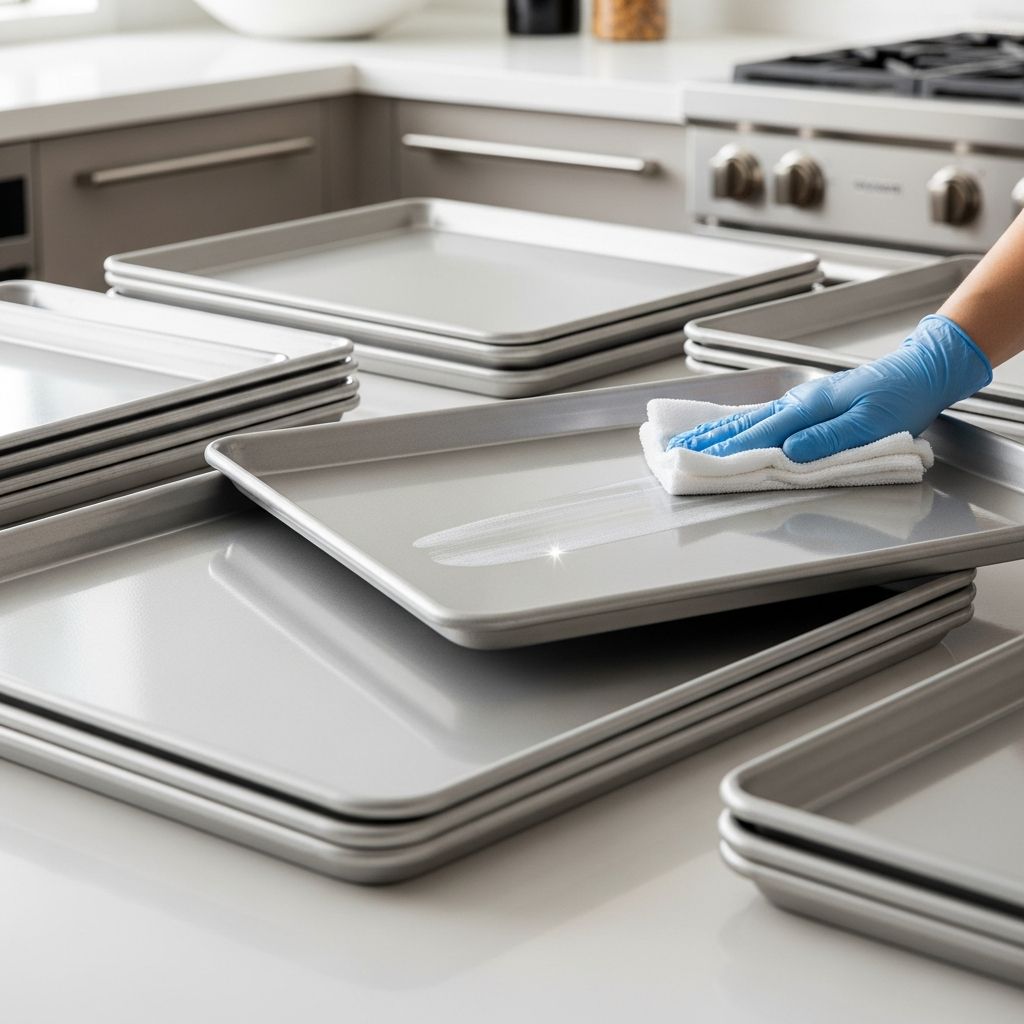
Baking sheets endure heavy use in any kitchen, accumulating grease, burnt bits, and rust over time. Proper cleaning extends their life and ensures safe cooking. This guide details practical strategies using common pantry staples for everyday care and deep cleans.
Daily Maintenance for Longevity
Preventive habits simplify cleaning. Address messes immediately after use to avoid buildup.
- Wipe warm sheets with a cloth to remove soft residues like cheese or crumbs, protecting hands from heat.
- Hand-wash cooled pans with mild dish soap and warm water to dissolve light grease.
- Dry thoroughly, especially edges and undersides, to block moisture that causes rust.
Consistent routines keep surfaces pristine and reduce scrubbing needs later.
Dishwasher Pitfalls and Alternatives
Dishwashers tempt busy cooks but risk warping thin metal from heat and jets. Harsh detergents strip coatings, leading to discoloration or pitting. Residual moisture promotes rust in damp machines.
Opt for hand methods instead. They preserve shape and finish while using fewer resources.
Effortless Removal of Burnt Residue
Stubborn char from cookies or roasts yields to a gentle acid-base combo. Cream of tartar, a powdered fruit acid, lifts carbon without abrasion.
- Coat affected areas evenly with cream of tartar.
- Spray white vinegar to moisten and fizz, activating the mixture.
- Allow overnight dwell for penetration.
- Scrub lightly under warm water; rinse and dry.
This non-toxic approach suits nonstick surfaces, avoiding scratches that harbor bacteria.
Tackling Persistent Grease Buildup
Oil from meats or pastries hardens into slick layers. Baking soda’s abrasiveness and vinegar’s acidity cut through effectively.
| Step | Action | Duration |
|---|---|---|
| 1 | Sprinkle ¼ cup baking soda evenly | Immediate |
| 2 | Pour ¼ cup vinegar slowly (expect fizz) | Immediate |
| 3 | Soak in hot water in sink or tub | 30-60 minutes |
| 4 | Scrub with appropriate pad: non-abrasive for nonstick/aluminum, tougher for steel | 2-5 minutes |
| 5 | Wash and dry completely | Immediate |
Adjust soak time for severity; repeat if needed. This method restores shine without commercial degreasers.
Eradicating Rust Spots
Rust forms from water exposure or acidic foods on bare metal. Early intervention halts spread.
- Apply baking soda paste to spots; let sit 30 minutes per side.
- Gently rub with a damp sponge in circular motions.
- Rinse, inspect, and repeat for deep corrosion.
- Apply thin oil layer post-cleaning to repel moisture.
Steel wool risks gouging; stick to soft tools. Prevention beats cure through full drying.
Material-Specific Care Guidelines
Different metals demand tailored approaches to avoid damage.
| Material | Best Cleaners | Avoid | Tools |
|---|---|---|---|
| Aluminized Steel | Baking soda + vinegar | Dishwasher, steel wool | Scrub pad |
| Aluminum | Cream of tartar | Strong acids, abrasives | Soft sponge |
| Nonstick | Baking soda pastes | Harsh scrubbers | Cloth or nylon pad |
Check manufacturer labels for specifics. Natural anodized finishes resist sticking but need gentle handling.
Advanced Techniques for Heavy Duty
For oven-roasted disasters, escalate with heat-assisted soaks. Oven cleaner aerosols work but fume heavily; ventilate well.
Alternative: Line a trash bag with ammonia, place sheet inside overnight outdoors. Scrub post-soak. Use gloves; not for nonstick.
Bar Keepers Friend powder polishes dull sheets safely on steel.
Storage Tips to Prevent Future Messes
Clean sheets stack poorly, scratching surfaces. Protect with:
- Paper towels or felt separators between stacks.
- Vertical racks for airflow.
- Covered hooks away from humidity.
Line sheets with parchment or foil during baking to minimize direct contact grime.
FAQs
Can I use bleach on baking sheets?
No, bleach corrodes metal and leaves residues unsafe for food. Stick to food-grade cleaners.
How often should I deep clean?
Monthly for heavy use; inspect weekly. Address rust immediately.
Is oven cleaner safe for all sheets?
Avoid on aluminum or nonstick; ideal for bare steel only.
What if my sheet is warped?
Discard if severe; minor warps still bake evenly but clean carefully.
Do silicone mats need similar care?
Top-rack dishwasher safe; hand-wash for longevity.
Environmental and Health Benefits
Household cleaners reduce plastic waste from disposables and chemical runoff. Vinegar and baking soda biodegrade fully, unlike phosphates in some soaps.
Non-abrasive methods preserve coatings, preventing microplastic leaching into food.
Choosing Quality Baking Sheets
Invest in heavy-gauge steel or aluminized options for durability. Nonstick excels for cookies but wears; bare metal seasons like cast iron.
Avoid ultra-cheap imports prone to warping. Lifetime warranties signal quality.
References
- The Best Way to Clean Cookie Sheets — The Cleaning Authority. 2023-05-15. https://www.thecleaningauthority.com/blog/how-to-clean/the-best-way-to-clean-cookie-sheets/
- USDA Food Safety Guidelines for Kitchen Cleaning — United States Department of Agriculture. 2024-02-10. https://www.fsis.usda.gov/food-safety/safe-food-handling-and-preparation/food-safety-basics/cleaning-and-sanitizing
- Nonstick Cookware Care Instructions — FDA Consumer Updates. 2023-11-20. https://www.fda.gov/food/buy-store-serve-safe-food/nonstick-cookware
- Aluminum Bakeware Maintenance — Aluminum Association. 2022-08-05. https://www.aluminum.org/resources/industry-standards/bakeware-care
- Household Cleaning Agents Safety — EPA Safer Choice Program. 2025-01-12. https://www.epa.gov/saferchoice/safer-chemical-ingredients
Similar Articles





Read full bio of medha deb