Mackerel: Nutrient Powerhouse for Health
Discover why mackerel stands out as an affordable, omega-3-packed fish that boosts heart health, fights inflammation, and supports sustainable eating habits.
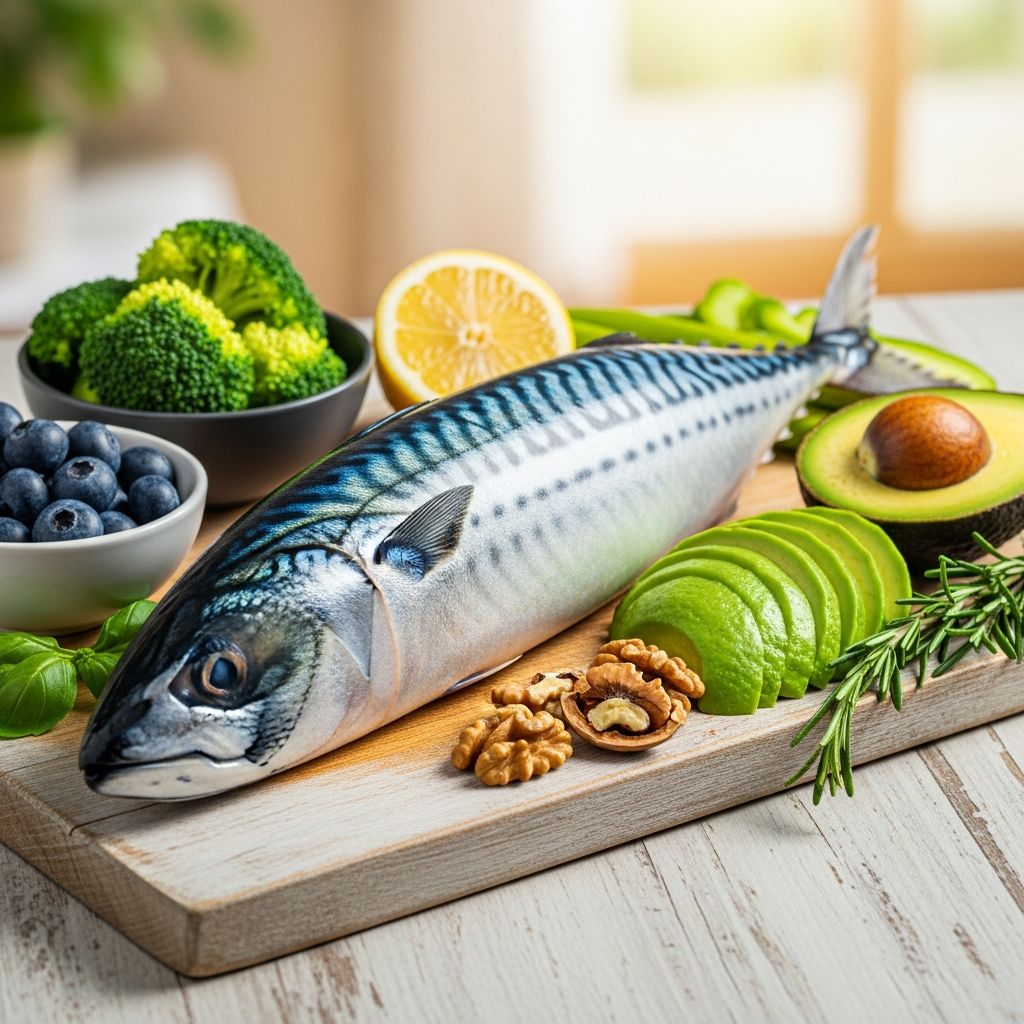
Mackerel emerges as a standout seafood option, delivering exceptional nutritional value at a low cost while prioritizing environmental sustainability. Packed with omega-3 fatty acids, protein, and vital minerals, this fish supports heart function, mental well-being, and overall vitality.
Nutritional Profile of Mackerel
Mackerel ranks among the top fatty fish for nutrient density, offering a wealth of essential compounds in every serving. A typical 85-gram portion provides substantial amounts of omega-3s, including EPA and DHA, which are crucial for cellular health and inflammation control. These fatty acids, absent in most land-based foods, must come from dietary sources like mackerel to maintain optimal body functions.
Protein content is equally impressive, with high-quality amino acids that aid muscle repair and satiety. Beyond macronutrients, mackerel supplies vitamin B12—over 200% of daily needs in one serving—selenium for antioxidant protection, and coenzyme Q10 to enhance cellular metabolism. Vitamins D and minerals like iron further bolster immune and bone health.
| Nutrient (per 85g serving) | Amount | % Daily Value |
|---|---|---|
| Omega-3 Fatty Acids (EPA/DHA) | 1.1g | High (varies by need) |
| Protein | ~20g | 40% |
| Vitamin B12 | High dose | 200% |
| Selenium | Significant | High |
| Coenzyme Q10 | Present | N/A |
This table highlights mackerel’s efficiency as a nutrient source, making it ideal for diverse diets.
Cardiovascular Advantages from Regular Consumption
Heart health benefits drive much of mackerel’s appeal, primarily through its omega-3 content. Studies show that daily intake can significantly lower blood pressure in hypertensive individuals; one trial with men consuming canned mackerel for months reported marked reductions. Reviews of multiple studies confirm long-term blood pressure drops with consistent servings.
Cholesterol management follows suit. Research involving volunteers eating mackerel for two weeks noted decreased triglycerides and total cholesterol. Population studies in regions with high fish intake, like India, link regular consumption to lower average cholesterol compared to non-fish eaters. The American Heart Association endorses two weekly fatty fish servings for cardiovascular protection, positioning mackerel as a prime candidate.
These effects stem from omega-3s reducing arterial inflammation and plaque buildup, as observed in epidemiological data from fish-heavy cultures like Eskimos and Japanese populations, where heart disease rates are notably low.
Mental Health and Brain Support
Beyond the heart, mackerel’s EPA and DHA foster brain health by supporting neuron function and mood regulation. Emerging research ties these fatty acids to depression prevention, with omega-3s modulating brain chemistry to alleviate symptoms.
Selenium and B vitamins in mackerel combat oxidative stress, potentially lowering risks for neurodegenerative issues. Coenzyme Q10 further aids cellular energy production in neural tissues, promoting cognitive resilience. Incorporating mackerel aligns with dietary patterns that enhance mental clarity and emotional stability.
Weight Management and Metabolic Boost
For those pursuing weight goals, mackerel’s protein-fat combo excels at curbing hunger. These nutrients suppress ghrelin, the appetite hormone, more effectively than carbs, while boosting thermogenesis—the calorie burn post-meal. High-protein intake from fish like mackerel sustains fullness, aiding portion control and metabolic rate.
A 6-ounce canned serving delivers over 70% of daily protein for many adults, facilitating muscle preservation during calorie deficits. This makes mackerel a strategic food for sustainable weight loss without nutrient gaps.
Sustainability and Smart Sourcing
Mackerel’s appeal extends to its environmental footprint. Varieties like Atlantic mackerel thrive in cold North Atlantic and European waters, with populations managed to prevent overfishing. Opt for MSC-certified products to ensure eco-friendly practices that protect marine ecosystems.
Low mercury levels compared to larger predators make it safe for regular consumption, especially versus freshwater catches prone to contaminants. Experts note that benefits far outweigh minimal risks for most people, per EPA/FDA guidelines. Canned formats enhance accessibility, reducing waste and extending shelf life up to months in freezers or days in BioFresh conditions.
Versatile Preparation Methods
Mackerel’s robust flavor shines in various forms: fresh grilled, smoked, or canned. Canned versions rival tuna or sardines, offering convenience with undiminished nutrition.
- Grilled Atlantic Mackerel: Season with herbs, grill 4-5 minutes per side for crispy skin and tender flesh.
- Canned Salad: Mix with greens, lemon, and olive oil for a quick, protein-rich lunch.
- Smoked over Rice: Pair flakes with grains and veggies for an anti-inflammatory bowl.
- Baked with Veggies: Top fillets with tomatoes and bake at 400°F for 15 minutes.
Storage tips: Refrigerate fresh at 7°C for 1 day, BioFresh at -2°C for 4 days, or freeze at -18°C for 2 months. These methods preserve omega-3 integrity and flavor.
Comparing Mackerel to Other Fatty Fish
| Fish Type | Omega-3 (per 85g) | Protein | Mercury Risk | Cost |
|---|---|---|---|---|
| Mackerel | High (1.1g) | High | Low | Affordable |
| Salmon | High | High | Low-Med | Higher |
| Sardines | High | High | Low | Affordable |
| Tuna | Med | High | High | Variable |
Mackerel holds its own with peers, often at lower prices and risks.
Potential Concerns and Precautions
While highly beneficial, moderation applies. Those with fish allergies should avoid it. Pregnant individuals can safely include low-mercury options like mackerel, following advisories. Overfishing risks exist without sustainable labels, so prioritize certified sources.
Frequently Asked Questions (FAQs)
Is mackerel safe for weekly consumption?
Yes, two servings align with heart health guidelines, with low contaminants in ocean-caught varieties.
How does canned mackerel compare nutritionally to fresh?
Canned retains most omega-3s and proteins, often with added calcium from bones.
What’s the best way to select sustainable mackerel?
Look for MSC labels on packaging for verified responsible fishing.
Can mackerel help with high cholesterol?
Studies show reductions in total cholesterol and triglycerides with regular intake.
Is mackerel suitable for weight loss diets?
Its satiating proteins and fats support fullness and metabolism.
Integrating Mackerel into Daily Meals
Start with simple swaps: replace beef in salads with canned mackerel or add to pasta sauces. Weekly meal plans could feature mackerel tacos on Mondays and smoked patties on Thursdays, ensuring variety and adherence to recommendations.
Pair with anti-inflammatory sides like leafy greens or whole grains to amplify benefits. For families, kid-friendly patties mask stronger flavors while delivering nutrients.
In summary, mackerel’s combination of affordability, nutrition, and sustainability makes it indispensable for health-conscious eaters. From heart protection to mental support, its impacts are profound and accessible.
References
- Mackerel Fish: Benefits with Cholesterol-Lowering Omega 3’s? — DrAxe.com. 2023 (approx., based on content). https://draxe.com/nutrition/mackerel-fish/
- The Benefits of Eating Mackerels — CannedFish.com. 2023 (approx.). https://cannedfish.com/the-benefits-of-eating-mackerels/
- Holy Mackerel! Go Fish for an Ocean of Omega-3 Benefits — TodaysDietitian.com. 2023 (approx.). https://www.todaysdietitian.com/holy-mackerel-go-fish-for-an-ocean-of-omega-3-benefits/
- Holy Mackerel! Why You Should Be Eating More Canned Seafood — Oldwayspt.org. 2023 (approx.). https://oldwayspt.org/blog/holy-mackerel-why-you-should-be-eating-more-canned-seafood/
- Is Mackerel Healthy? Calories, Nutritional Values and Vitamins — Liebherr.com. 2025 (updated). https://www.liebherr.com/en-us/refrigerators-freezers/freshmag/food-a-z/mackerel-8246265
- The Nutritional and Health Benefits of Seafood — Extension.umaine.edu (University of Maine Cooperative Extension). 2023 (approx.). https://extension.umaine.edu/publications/4285e/
Similar Articles







Read full bio of Sneha Tete