Keto Pumpkin Soup: Low-Carb Creamy Recipes & Tips
Creamy, satisfying pumpkin soup tailored for ketogenic nutrition
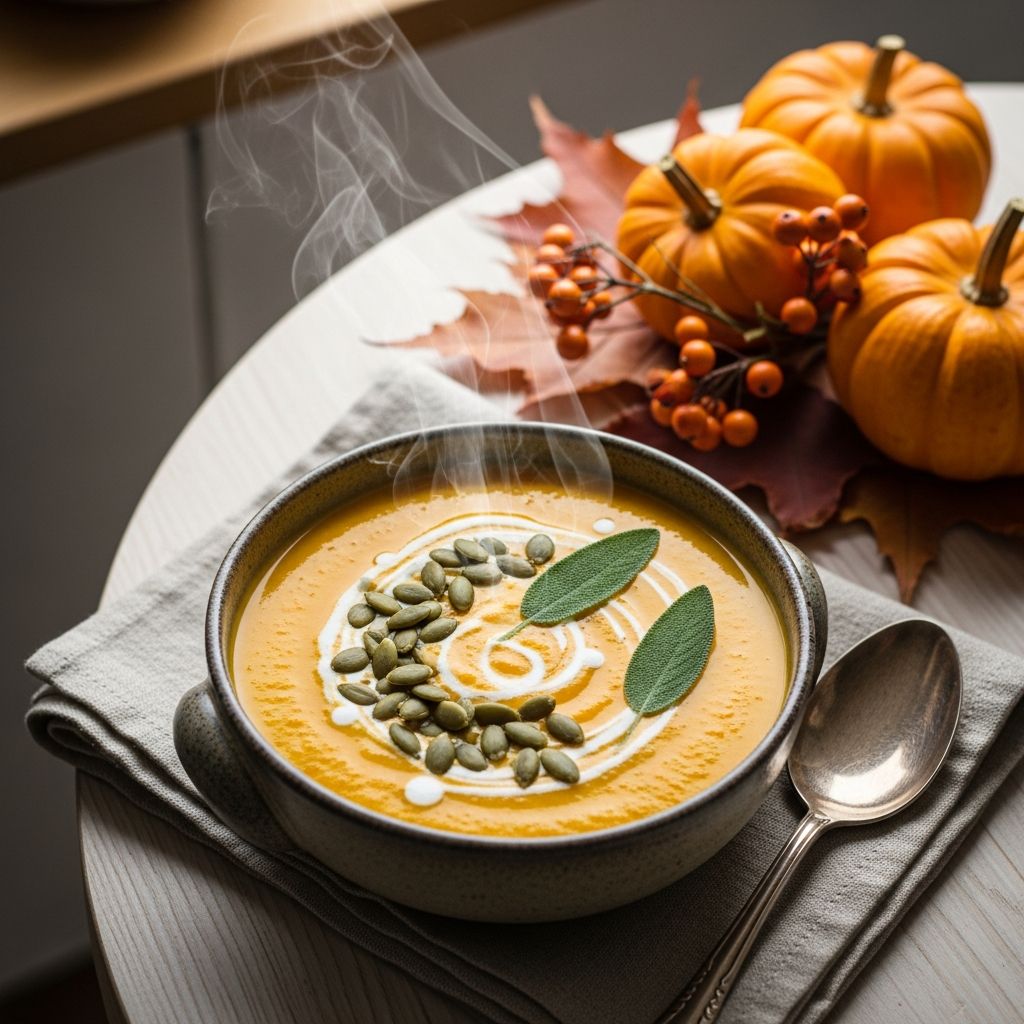
Pumpkin soup represents a classic autumn comfort dish that traditionally relies on heavy cream, stock, and aromatic seasonings to achieve its characteristic depth of flavor. For those following a ketogenic diet, enjoying this seasonal favorite requires understanding which ingredients align with macronutrient targets and how to modify traditional preparations to maintain ketosis. This guide explores the practical aspects of creating a satisfying pumpkin soup that fits within low-carb nutrition guidelines while delivering the warming, savory qualities that make this dish appealing during cooler months.
Understanding Pumpkin in Ketogenic Nutrition
Pumpkin presents an interesting nutritional profile for individuals monitoring carbohydrate intake. While pumpkin does contain natural starches that contribute mild sweetness, it remains compatible with ketogenic eating when consumed in controlled portions. The key distinction lies in recognizing that pumpkin puree contains approximately 8-10 grams of net carbohydrates per half-cup serving, making portion control essential for maintaining ketogenic macronutrient targets.
Many successful keto pumpkin soup recipes employ a strategic approach: limiting the volume of pumpkin puree and supplementing with lower-carbohydrate vegetables like cauliflower. This method preserves the intended pumpkin flavor while substantially reducing the overall carbohydrate content per serving. By working with 2-3 cups of pumpkin puree distributed across 6-8 servings, individual portions contain manageable carbohydrate levels compatible with ketogenic protocols.
Essential Ingredients and Their Roles
Creating a balanced keto pumpkin soup requires understanding how each component contributes to both nutritional goals and flavor development:
- Pumpkin Puree: Provides the foundational flavor, color, and body of the soup. Using pure pumpkin (not pie filling) ensures you control sugar content. Approximately 2 cups per full batch delivers pumpkin character without excessive carbohydrates.
- Quality Broth: Forms the liquid foundation and adds savory depth. Bone broth offers additional amino acids and collagen, while standard chicken or vegetable broth provides reliable flavor. A 4-cup base typically yields 6-8 servings.
- Heavy Cream or Coconut Milk: Creates the characteristic creamy texture while contributing healthy fats essential for satiety and ketone production. Heavy cream delivers minimal carbohydrates, whereas canned coconut milk (unsweetened) provides similar richness with slight carbohydrate variation.
- Aromatic Vegetables: Onion and garlic establish a flavor foundation, though onion quantity should remain modest (approximately 1/4 to 1 cup) to control carbohydrate accumulation. Cauliflower serves as an optional bulking agent that maintains flavor while reducing carbohydrate density.
- Fats for Cooking: Butter or avocado oil facilitate the sautéing process and add richness. These cooking mediums complement both the pumpkin and broth without introducing carbohydrates.
- Spice Profile: Sage, thyme, cayenne pepper, paprika, nutmeg, and cumin contribute warmth and complexity without carbohydrate contribution. These seasonings define the autumnal character of the soup.
Preparation Methods and Cooking Approaches
Two primary methods dominate keto pumpkin soup preparation, each offering distinct advantages:
Quick-Assembly Method
This approach prioritizes convenience and speed. Begin by sautéing minced garlic and chopped onion in butter until fragrant—approximately 3-5 minutes. Add the pumpkin puree, broth, salt, pepper, and dried seasonings. Bring the mixture to a boil, then reduce heat and simmer for 10-15 minutes to allow flavors to meld and intensify. Remove from heat and stir in heavy cream. This method produces a soup ready for consumption in under 30 minutes, making it practical for weeknight preparations.
Roasted Pumpkin Method
This technique involves roasting fresh pumpkin before incorporating it into the soup base. Halve a small pumpkin, remove seeds, season with salt and pepper, and roast at 350°F for approximately 30 minutes until flesh becomes tender. Once cooled slightly, scoop the roasted flesh into the pot with sautéed aromatics, broth, and seasonings. Simmer for 15-20 minutes, then transfer to a blender (working in batches) for smooth blending. This method yields deeper, more concentrated pumpkin flavor compared to using canned puree, though it requires additional preparation time.
Blending and Texture Considerations
The desired texture influences processing decisions. For a completely smooth, velvety consistency, transferring hot soup to a high-speed blender in batches produces optimal results. When blending hot liquids, fill the blender only halfway and allow steam to escape gradually to prevent pressure buildup. Alternatively, an immersion blender operated directly within the pot provides convenience, though the resulting texture may retain slight texture compared to traditional blender processing.
Some recipes incorporate optional thickening agents like xanthan gum (approximately 1/4 teaspoon per pot) for those preferring extra body without carbohydrate addition. This additive dissolves readily when whisked into hot soup and creates a silkier mouthfeel.
Flavor Customization and Seasoning Strategies
| Flavor Profile | Recommended Additions | Preparation Notes |
|---|---|---|
| Warm & Comforting | Fresh sage, thyme, nutmeg, cinnamon | Add dried herbs early; fresh herbs after cooking |
| Spicy & Bold | Cayenne pepper, chili powder, red pepper flakes | Start conservatively; adjust after tasting |
| Earthy & Complex | Curry powder, cumin, coriander, turmeric | Bloom spices briefly in hot fat before adding broth |
| Rich & Savory | Cooked sausage, bacon, pepita seeds | Brown meat separately; stir into finished soup |
Tasting the soup before finishing allows for personalized seasoning adjustments. Some individuals prefer sweeter profiles (achieved through additional pumpkin or cautious stevia), while others favor spicier variations requiring extra cayenne or chili powder. This flexibility accommodates diverse palate preferences within the same foundational recipe.
Nutritional Analysis and Macronutrient Targets
A typical keto pumpkin soup serving yields approximately 7-10 grams of net carbohydrates, 15-18 grams of fat, and 8-12 grams of protein per 1-cup portion. These macronutrient ranges accommodate most ketogenic meal plans without requiring significant dietary adjustments. Recipes incorporating cauliflower bulking agents typically achieve the lower carbohydrate range (7.3g net carbs per serving documented in some preparations), while variations using higher pumpkin volumes may approach 10 grams net carbs per serving.
The fat content primarily derives from heavy cream or coconut milk, contributing satiety and supporting ketone production. This macronutrient composition makes pumpkin soup an appropriate choice for lunch or dinner serving within ketogenic protocols.
Storage, Freezing, and Make-Ahead Strategies
Pumpkin soup adapts well to batch preparation and advance planning. Stored in an airtight container within the refrigerator, finished soup maintains quality for 3-4 days. For longer-term storage, freezing in portion-sized containers preserves the soup for up to 3 months without significant quality degradation. Some recipes benefit from slightly improved flavor development when consumed the day after preparation, as seasonings continue melding and deepening.
When reheating frozen soup, thaw overnight in the refrigerator before warming gently over medium heat on the stovetop. If creaminess diminishes after freezing, stirring in additional heavy cream upon reheating restores the desired consistency. Avoid prolonged boiling of reheated soup, as excessive heat can cause separated or curdled cream.
Protein Enhancement and Serving Variations
While pumpkin soup provides moderate protein from broth and dairy, incorporating cooked sausage, bacon bits, or roasted pepita seeds increases protein content and adds textural interest. Browning 1/2 pound of ground sausage separately and stirring into the finished soup transforms it into a more substantial main course rather than a side dish. Similarly, crisped sage leaves fried in olive oil provide aromatic garnish that elevates presentation without significantly altering macronutrient composition.
Frequently Asked Questions
Can I Use Fresh Pumpkin Instead of Canned Puree?
Yes. Select sugar pumpkins (not carving varieties) for better flavor and lower water content. Roast halved pumpkin at 350°F for 30 minutes, scoop out flesh, and puree until smooth. Fresh pumpkin requires slightly longer cooking times compared to canned puree but delivers superior flavor depth and allows complete control over processing consistency.
What Dairy-Free Options Work for Keto Pumpkin Soup?
Unsweetened canned coconut milk provides the primary dairy-free alternative, delivering comparable creaminess and acceptable carbohydrate levels. Full-fat coconut cream offers even richer texture. These alternatives maintain ketogenic compatibility while accommodating lactose sensitivity or vegan dietary preferences.
How Can I Make This Soup in 30 Minutes or Less?
Use canned pumpkin puree, skip vegetable roasting, and employ the quick-assembly method. Sauté aromatics for 3-5 minutes, add remaining ingredients, simmer for 10-15 minutes, then stir in cream. Some recipes accelerate further by browning diced pumpkin and cauliflower in a skillet for 5 minutes instead of roasting.
Does This Soup Freeze Well?
Pumpkin soup freezes successfully for up to 3 months when stored in airtight containers. Freeze in portion sizes for convenient reheating. Upon thawing, check consistency and add additional cream if needed, as separation occasionally occurs during freezing cycles.
What Spice Combinations Complement Pumpkin in Keto Cooking?
Warm spices including sage, thyme, nutmeg, and cinnamon create traditional autumn profiles. For international variations, try curry powder and coriander for Indian-inspired flavors, or cumin and chili powder for Southwestern interpretations.
Conclusion: Integrating Pumpkin Soup Into Ketogenic Meal Planning
Keto-friendly pumpkin soup demonstrates that seasonal comfort foods remain accessible within low-carbohydrate dietary frameworks. By understanding pumpkin’s nutritional composition, employing strategic ingredient substitutions, and controlling portion sizes, individuals following ketogenic protocols can enjoy this classic autumnal preparation without metabolic concern. The recipe’s flexibility accommodates various cooking methods, flavor preferences, and preparation timelines, making it practical for both weekday meals and weekend entertaining. Whether prepared from fresh roasted pumpkin or convenient canned puree, this soup provides warming satisfaction while maintaining ketogenic macronutrient targets throughout the cooler months.
References
- Keto Pumpkin Soup – Low Carb, Gluten-Free, EASY — Joy Filled Eats. Accessed 2026. https://joyfilledeats.com/easy-pumpkin-soup/
- Keto Roasted Pumpkin Soup — All Day I Dream About Food. Accessed 2026. https://alldayidreamaboutfood.com/keto-roasted-pumpkin-soup/
- Keto Pumpkin Soup with Carrot, Ginger and Coconut Milk — Stem and Spoon. Accessed 2026. https://stemandspoon.com/keto-pumpkin-soup-with-carrot-and-ginger/
- Keto Pumpkin Soup — Sugar Free Londoner. Accessed 2026. https://sugarfreelondoner.com/keto-pumpkin-soup/
- Savory Keto Pumpkin Soup — Modern Yum. Accessed 2026. https://modernyum.com/savory-keto-pumpkin-soup/
- Keto Pumpkin Soup – Low carb & easy to make~One Pot Meal — The Kellie Kitchen. Accessed 2026. https://thekelliekitchen.com/keto-pumpkin-soup/
- Keto Harvest Pumpkin and Sausage Soup — Diet Doctor. Accessed 2026. https://www.dietdoctor.com/recipes/harvest-pumpkin-and-sausage-soup
- Savory Low-Carb Pumpkin Soup Recipe w/ Curry & Coconut — Wicked Stuffed. Accessed 2026. https://www.wickedstuffed.com/keto-recipes/low-carb-pumpkin-soup-recipe-curry-coconut/
Similar Articles








Read full bio of Sneha Tete