Lemon Raspberry Crumb Bars: Easy Step-By-Step Recipe
Master the perfect balance of zesty citrus and tart fruit in one irresistible layered bar.
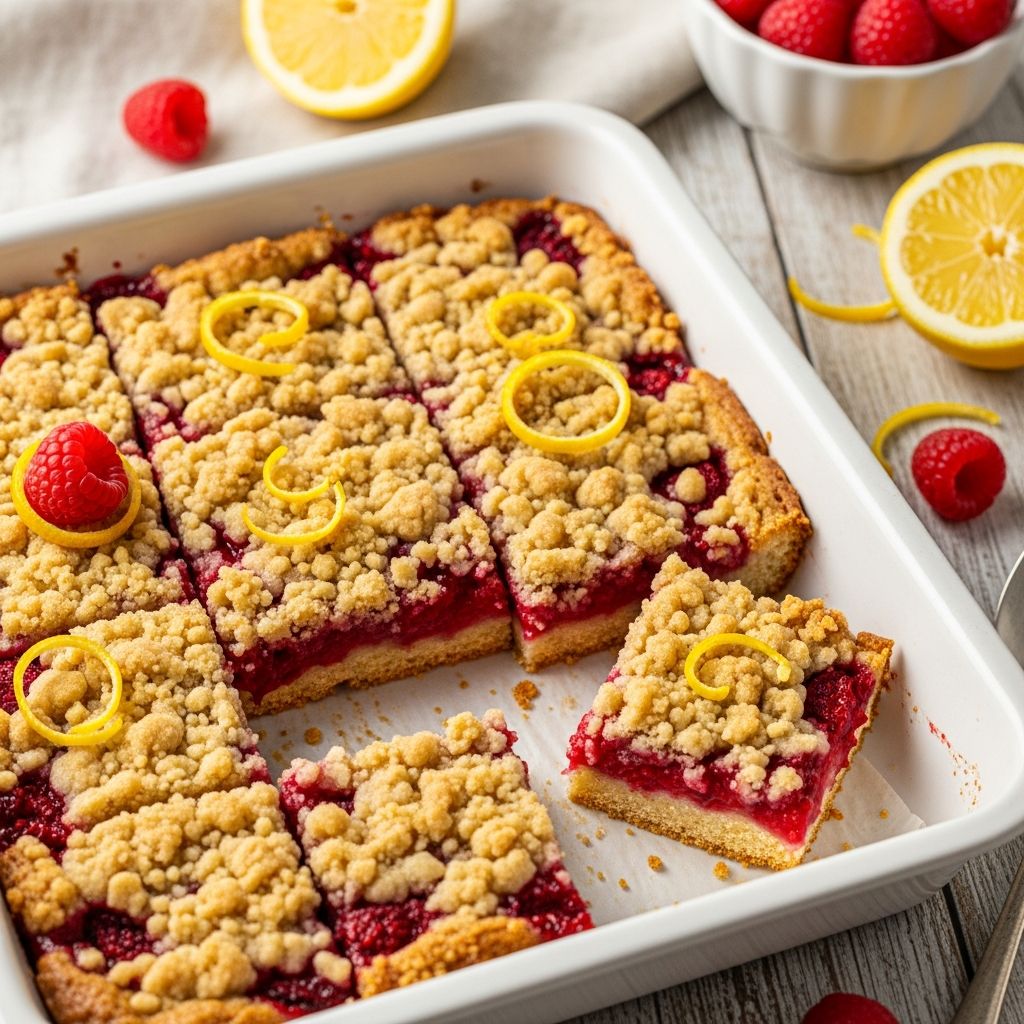
Lemon raspberry crumb bars represent a sophisticated yet approachable dessert that combines multiple complementary flavors and textures into a single handheld treat. These bars feature a foundation of buttery, tender pastry; a middle layer of bright citrus and jammy fruit; and a topping of crumbly, golden-brown goodness. Whether you’re preparing a weekday snack or serving guests at a gathering, mastering this recipe opens doors to countless variations and flavor combinations.
Understanding the Three-Layer Structure
The architecture of lemon raspberry crumb bars consists of three distinct components, each serving a specific purpose in the final dessert. The base layer provides structural integrity and a satisfying textural contrast. The middle filling delivers the signature flavor profile that defines these bars. The crumble topping adds visual appeal and creates the textural complexity that makes these treats memorable.
This tripartite design also creates an opportunity for flavor development through layering. The buttery base absorbs some moisture from the filling while maintaining its integrity, the fruit and lemon elements concentrate their flavors when baked, and the crumble toasts during baking, developing nutty, complex notes that wouldn’t be present in raw dough.
Building the Foundation: Creating the Perfect Base Layer
The base of these bars typically combines all-purpose flour, light brown sugar, unsalted butter at room temperature, salt, and lemon zest. Some variations incorporate quick oats or other whole grains to add texture and complexity. The proportions generally follow a ratio of approximately 2¼ cups flour, ¾ cup light brown sugar, and 1 cup butter, though variations exist depending on whether oats are included.
The technique for mixing the base layer differs from standard cookie dough preparation. Rather than creaming butter and sugar until light and fluffy, the goal is to create a mixture with visible crumb structures—resembling coarse sand or small pebbles. This is achieved by mixing on low to medium speed for 2-3 minutes, allowing the cold butter pieces to remain partially intact within the flour.
When pressing this mixture into your prepared baking pan, use approximately two-thirds to three-quarters of the total crumb mixture. The remaining portion will become the topping. Press firmly but gently, using your fingers or a small offset spatula to create an even, compact layer that will hold together after baking. Using parchment paper that extends beyond the pan’s edges simplifies removal and cutting later.
Preparing Pan and Oven Environment
Begin by preheating your oven to 350°F (175-190°C). While the oven heats, prepare an 8×8-inch square baking dish by lining it with parchment paper. The parchment should hang over at least two sides of the pan, creating handles that facilitate removal of the entire baked batch. This simple step eliminates the frustration of trying to extract bars from a hot pan and prevents unnecessary breakage or uneven pieces.
If you prefer not to use parchment paper, lightly coat the baking dish with non-stick cooking spray or a thin layer of butter. Some bakers use both methods—a light spray plus parchment—for maximum security against sticking.
Crafting the Fruit and Lemon Filling
The filling transforms basic crumb bars into a sophisticated dessert worthy of special occasions. This component combines fresh or frozen raspberries with raspberry jam, fresh lemon juice, and additional lemon zest. The combination of whole fruit, jam, and citrus creates a multi-dimensional flavor experience.
Raspberry jam serves as a flavor concentrator and moisture regulator. Most recipes call for between ⅓ to 1 cup of jam, depending on desired intensity and your personal preferences. Before spreading jam over the base layer, some recipes recommend mixing it with additional lemon zest (approximately 1 teaspoon) to infuse the jam with citrus notes.
Fresh raspberries should be gently handled to maintain their shape and structure. Whether you use 1 to 1¼ cups of fresh berries, they contribute tartness, texture, and visual appeal. Some recipes call for tossing raspberries with a small amount of granulated sugar and cornstarch before adding to the bars. The cornstarch absorbs excess moisture and prevents the filling from becoming excessively wet, while the sugar enhances the berries’ natural sweetness.
Advanced Filling Variations: The Lemon Custard Option
More elaborate versions of lemon raspberry crumb bars incorporate a cooked lemon custard filling instead of or in addition to jam and fresh fruit. This variation combines sweetened condensed milk, lemon zest, fresh lemon juice, and egg yolk to create a creamy, tangy layer that bakes into a custard-like consistency.
When preparing a custard-based filling, whisk together the condensed milk, lemon juice, zest, and egg yolk until fully combined, then spread this mixture over your prepared base layer before adding the raspberry components. The custard will set during baking as the eggs denature from heat exposure, creating a firm yet tender texture that contrasts beautifully with both the crust and crumble topping.
Assembly Techniques for Professional Results
After pressing the base mixture into your pan, the next step involves layering the filling components. Spread jam evenly across the entire base layer using a small offset spatula or the back of a spoon. Achieving an even layer ensures consistent flavor distribution throughout the finished bars.
Once jam is in place, distribute fresh raspberries across the surface. Unlike densely packed fruit arrangements, these bars benefit from berries that are fairly evenly spaced with visible base layer and jam showing between them. This prevents the bars from becoming too wet or fruit-heavy in certain sections.
If your recipe calls for a lemon custard filling, dollop spoonfuls of the custard mixture around the surface before adding raspberries. Some bakers then drag a toothpick or fork across the surface to create decorative swirls that blend the layers slightly without fully incorporating them.
Finally, crumble the reserved base mixture over the top of the filling using your fingertips. Work gently to create uneven, varied-sized crumbs rather than a uniform powder. These crumbs will toast and brown during baking, creating the textural contrast that makes crumb bars distinctly appealing.
Baking and Doneness Indicators
Baking time typically ranges from 30 to 55 minutes, depending on your specific recipe and oven characteristics. The variation in timing reflects differences in crust thickness, filling density, and whether oats or other ingredients are included.
Watch for visual cues rather than relying solely on the clock: the crumble topping should turn light golden brown, and fruit filling should be visibly bubbling at the edges of the pan. If you’re using a custard-based filling, a toothpick inserted into the center should show the filling is set rather than liquid.
If the crumble topping browns too quickly before the filling sets, tent the bars loosely with aluminum foil to slow the browning process while the interior continues cooking.
Cooling and Chilling for Optimal Texture
After removing the bars from the oven, allow them to cool at room temperature for at least 30 minutes. This initial cooling period allows the layers to set and firm up, making the bars easier to cut cleanly. For bars with custard filling or condensed milk-based fillings, refrigeration for 1-2 hours before cutting is essential for achieving the proper firm texture.
Once fully cooled and chilled, use a sharp knife to cut the bars into squares or rectangles. Wiping the knife clean between cuts prevents ragged edges and jam smearing. If you lined your pan with parchment, simply lift the entire baked batch from the pan and cut on a clean surface.
Storage and Longevity
Properly stored lemon raspberry crumb bars maintain quality for 3-5 days when covered and refrigerated. The fruit filling keeps these bars moist, so they generally don’t dry out as quickly as some other bar cookies. Store them in an airtight container or covered baking dish with parchment separating layers to prevent sticking.
These bars can also be frozen for up to 3 months. Wrap individual bars in plastic wrap and place them in a freezer-safe container. Thaw at room temperature for 1-2 hours before serving.
Ingredient Selection and Substitutions
The quality of your ingredients directly impacts the final result. Use unsalted butter at room temperature, which creams more easily and distributes evenly throughout the dry ingredients. Room temperature butter also helps the crumb mixture achieve the desired texture.
Light brown sugar rather than dark brown sugar is recommended because it provides sweetness without the molasses intensity that might overpower the delicate lemon flavor. All-purpose flour works well for traditional versions, though some recipes use gluten-free flour blends for dietary accommodations.
Fresh raspberries offer superior flavor to frozen, but frozen raspberries work perfectly well if fresh ones aren’t available. If using frozen berries, thaw them first and drain any excess liquid to prevent oversaturated filling.
Frequently Asked Questions
Can I Make These Bars Without a Custard Filling?
Yes. The jam and fresh raspberry approach works beautifully and requires less preparation. Simply spread jam over the base layer and scatter fresh raspberries across the top before adding the crumb topping.
What If My Bars Come Out Too Wet?
Overactive fruit release liquid during baking. Next time, ensure fresh raspberries are pat-dry before using, reduce jam quantity, or add a teaspoon of cornstarch to the raspberry mixture to absorb excess moisture.
Can I Use Frozen Raspberries?
Frozen raspberries can be used, though they may release more liquid than fresh berries. Thaw and drain thoroughly before using, and consider adding cornstarch to compensate for the extra moisture.
How Should I Serve These Bars?
Serve at room temperature or chilled, optionally dusted with confectioners’ sugar for added elegance.
References
- Lemon Raspberry Crumb Bars — Reluctant Entertainer. https://reluctantentertainer.com/lemon-raspberry-crumb-bars/
- Lemon Raspberry Bars With Crumble Topping — The Sweet Occasion. https://thesweetoccasion.com/lemon-raspberry-bars/
- Easy Lemon Raspberry Crumble Bars Recipe — Pinecones and Acorns. https://pineconesandacorns.com/lemon-raspberry-crumble-bars/
- Raspberry Lemon Bars Recipe — Jessica Gavin. https://www.jessicagavin.com/raspberry-lemon-bars/
- Lemon Raspberry Crumb Bars — Dessert Now Dinner Later. https://www.dessertnowdinnerlater.com/lemon-raspberry-crumb-bars/
- Lemon Raspberry Crumble Bars — The Loopy Whisk. https://theloopywhisk.com/2023/06/12/lemon-raspberry-crumble-bars/
Similar Articles





Read full bio of medha deb