Ketchup Storage: Fridge or Pantry?
Uncover the truth about storing ketchup: does it really need the fridge, or is room temperature safe? Explore science, tips, and best practices.
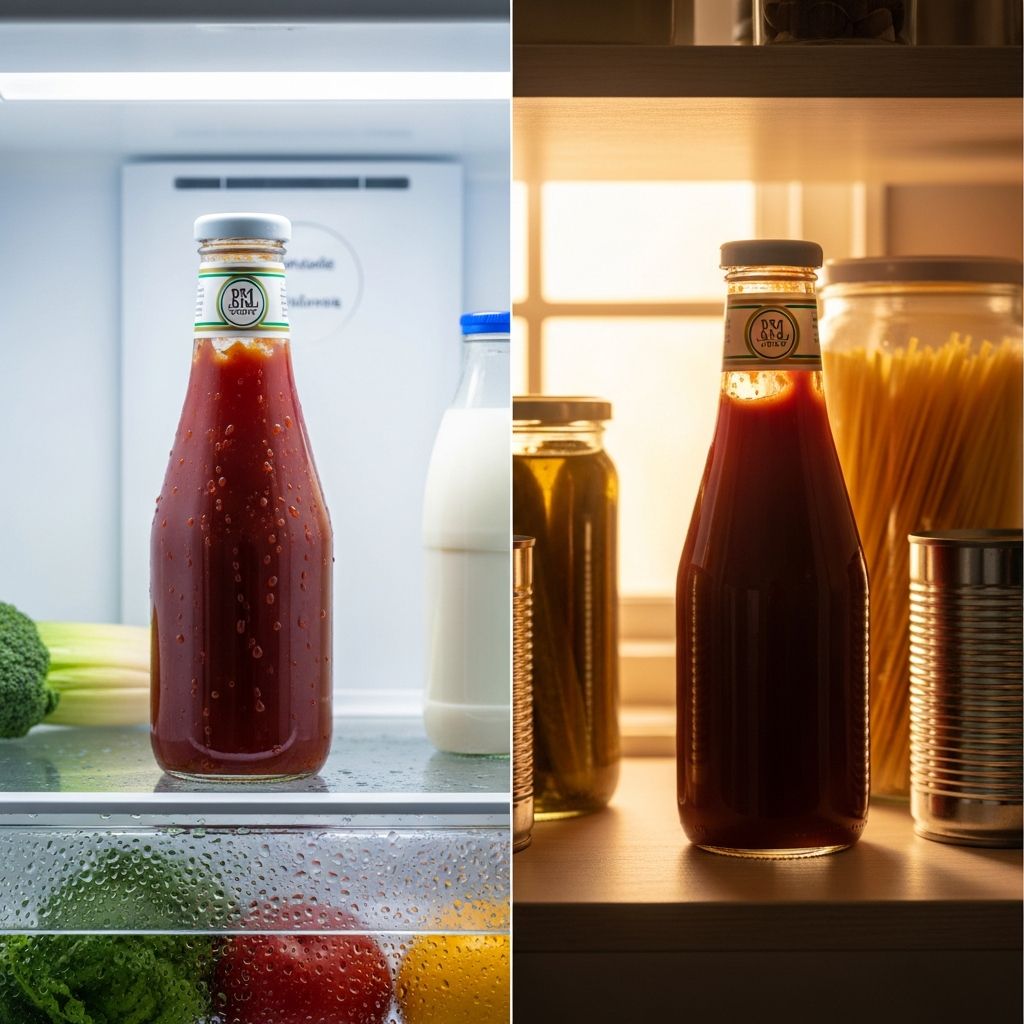
Ketchup, a staple condiment in kitchens worldwide, sparks endless debate: should it go in the refrigerator after opening, or is the pantry sufficient? The answer hinges on its unique composition and storage conditions, making room temperature viable for many but refrigeration preferable for maximum freshness.
The Preservative Power of Ketchup Ingredients
Ketchup’s longevity stems from its core ingredients, which naturally deter microbial growth. Vinegar provides
high acidity
, typically yielding a pH low enough to inhibit most bacteria and molds. This acidic environment creates a hostile setting for pathogens, much like pickling solutions used in food preservation.Sugar and salt further bolster stability by reducing water activity—the moisture available for microbes. High sugar concentrations draw water out of microbial cells via osmosis, dehydrating them and preventing proliferation. Salt works similarly, disrupting cellular functions in bacteria.
Tomatoes, the base, contribute natural preservatives like lycopene and other compounds, while spices add antimicrobial properties. Commercial ketchup is also pasteurized, killing off initial contaminants and extending shelf life even before sealing. These factors explain why unopened bottles remain safe at room temperature for months or years.
Unopened vs. Opened: Key Differences in Storage Needs
For
unopened ketchup
, refrigeration offers little benefit. Airtight packaging blocks oxygen and contaminants, preserving the product in a cool, dark pantry indefinitely under ideal conditions. Heat and light accelerate degradation, so avoid windowsills or stoves.Once opened, air exposure introduces risks. Oxygen can oxidize flavors, leading to off-tastes, while repeated openings allow contaminants from hands, utensils, or air to enter. Here, preferences diverge: room temperature storage suits high-turnover households, while chilling slows any potential spoilage.
| Storage Type | Shelf Life (After Opening) | Best For |
|---|---|---|
| Pantry (Cool, Dark) | 1-3 months | Frequent use, mild climates |
| Refrigerator | 6+ months | Infrequent use, flavor preservation |
| Freezer | Indefinite (thaw as needed) | Long-term storage |
This table summarizes typical durations based on standard conditions; actual life varies by usage and environment.
Microbial Science: Why Ketchup Resists Spoilage
Understanding microbiology clarifies the debate. Ketchup’s low pH (around 3.5-4.0) restricts growth to acid-tolerant microbes like certain yeasts or molds, but preservatives limit them further. Pasteurization eliminates vegetative cells, leaving spores that require specific conditions to activate.
Room temperature (20-25°C) permits slow growth if contamination occurs, but refrigeration (4°C) drastically reduces metabolic rates, extending usability. Restaurants often keep ketchup out due to high turnover—bottles empty quickly, minimizing exposure time. In homes with slower use, chilling prevents subtle quality loss.
Contamination degree matters: double-dipping utensils or storing near raw meats heightens risks. Bottle size influences this too—smaller ones deplete faster, reducing air interface.
Manufacturer Guidelines and Real-World Practices
Labels often recommend refrigeration post-opening for quality maintenance, as seen with Heinz. This conservative stance ensures flavor consistency across varied conditions. However, companies acknowledge pantry safety due to preservatives.
Restaurants exemplify pantry success: bottles endure counter service without issues, thanks to volume and hygiene. Home cooks report year-long pantry storage without spoilage, but experts advise monitoring for changes like mold, separation, or off-odors.
Optimal Storage Techniques for Longevity
- Seal tightly: Always cap securely to minimize air ingress.
- Location matters: Choose cool (below 24°C), dark spots away from heat sources like ovens.
- Shake before use: Refrigerated ketchup separates; vigorous shaking recombines ingredients.
- Avoid contamination: Use clean utensils; pour, don’t dip.
- Portion for freezing: For bulk buys, freeze in ice cube trays for easy thawing.
These habits maximize freshness regardless of primary storage method.
Signs Your Ketchup Has Gone Bad
Even preserved, ketchup eventually spoils. Watch for:
- Visible mold (fuzzy spots).
- Fermented or vinegary smell beyond normal.
- Slime or unusual texture.
- Flavor shifts to bitter or rancid.
If in doubt, discard. Better safe than risking foodborne illness, though ketchup’s profile makes outbreaks rare.
Comparing Ketchup to Similar Condiments
| Condiment | Needs Fridge After Opening? | Reason |
|---|---|---|
| Ketchup | Recommended, not required | Acidity + sugar |
| Mustard | Optional | Similar preservatives |
| Mayonnaise | Yes | Mayo lacks acidity |
| BBQ Sauce | Yes | Lower acid, higher risk |
Ketchup’s profile aligns it with mustard—robust enough for pantry life, unlike mayo.
Environmental Factors Influencing Shelf Life
Temperature swings impact stability. Hot kitchens (30°C+) hasten enzyme activity and oxidation; air-conditioned spaces fare better. Humidity encourages mold if seals fail. Seasonal changes matter—summer pantry storage shortens life versus winter.
Light exposure degrades colors and nutrients, dulling the signature red. Opaque bottles help, but clear glass or plastic demands shade.
FAQs on Ketchup Storage
Is it safe to leave ketchup out overnight?
Yes, briefly. Its preservatives handle short exposures, but return to proper storage promptly.
Why does refrigerated ketchup need shaking?
Cold causes separation of solids and liquids; shaking restores uniformity.
Can I store homemade ketchup the same way?
No—lacking commercial pasteurization, refrigerate homemade versions strictly.
How long does ketchup last past expiration if unopened?
1-2 years typically, as dates indicate peak quality, not safety.
Does organic ketchup differ in storage needs?
Slightly—fewer preservatives may warrant quicker refrigeration.
Advanced Tips for Ketchup Enthusiasts
For bulk buyers, decant into smaller containers to reduce air exposure. Vacuum sealing opened bottles extends life further. In hot climates, default to fridge. Track purchase dates with labels for rotation.
Experiment: taste-test pantry versus fridge samples monthly to note flavor evolution. This personal insight refines habits.
Health and Safety Considerations
Ketchup poses low risk due to barriers against *Clostridium botulinum* and *Salmonella*, but immunocompromised individuals should refrigerate. Acidity neutralizes most threats, but hygiene remains key.
References
- Does Ketchup Need to be Refrigerated? — Red Gold Tomatoes. 2023. https://www.redgoldtomatoes.com/redgoldtomatoes/post/does-ketchup-need-to-be-refrigerated
- Should You Refrigerate Ketchup After Opening? — Microbehunter (YouTube). 2023. https://www.youtube.com/watch?v=4XQIli3qI4g
- Ketchup: Refrigerate or not after opening? — FOX6 News Milwaukee (YouTube). 2023. https://www.youtube.com/watch?v=TyHMj2pfFoo
Similar Articles




Read full bio of Sneha Tete