Italian Sausage Pasta Bake: A Complete Guide
Master the art of creating a rustic one-pan Italian sausage and ricotta pasta dish
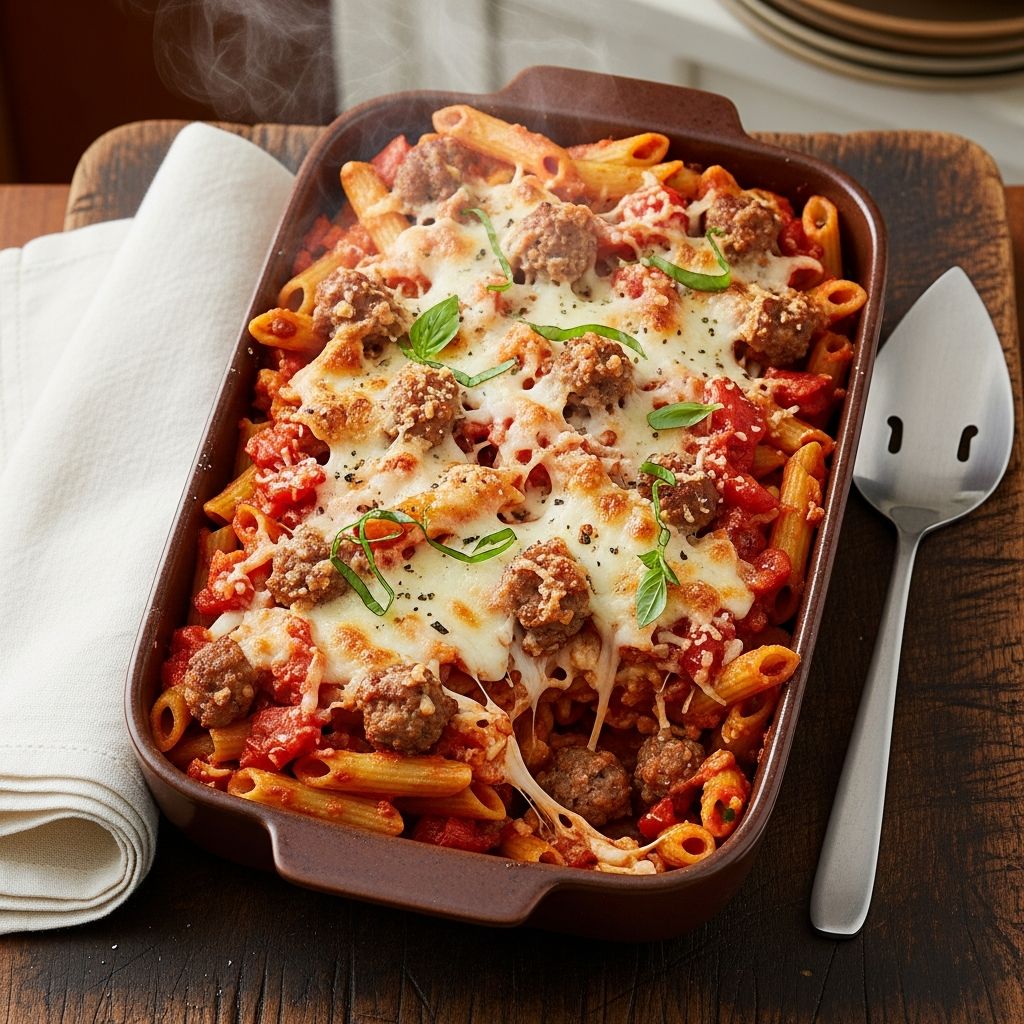
Understanding This Modern Comfort Dish
Contemporary home cooking has embraced the concept of simplified yet satisfying meals, and few dishes embody this philosophy better than a hearty baked pasta featuring
Italian sausage and ricotta cheese
. This type of one-pan preparation bridges the gap between traditional baked ziti and layered lasagna, offering the accessibility of the former with the complexity and depth of the latter. The beauty of this dish lies in its ability to deliver restaurant-quality results from a home kitchen using straightforward techniques and readily available ingredients.What makes this preparation particularly appealing is its versatility and forgiving nature. Whether you’re preparing a weeknight family dinner or entertaining guests, the fundamental approach remains consistent, though variations abound based on personal preferences and available components. The sausage-tomato foundation provides the savory backbone, while the cheese components add richness and textural contrast that elevates the entire composition.
Essential Ingredients and Their Functions
Building a successful baked pasta dish requires understanding what each ingredient contributes to the final result. The following components work together harmoniously:
- Italian Sausage (3/4 to 1 pound): This meat provides the robust, aromatic base of the dish. Ground sausage integrates seamlessly into the sauce, while the fennel and spice notes characteristic of Italian sausage enhance the overall flavor profile. Remove the sausage from its casing and break it into small pieces during cooking for even distribution throughout the sauce.
- Tomato Products (28-ounce can of whole peeled tomatoes plus 14-ounce can of crushed tomatoes): The combination of whole and crushed tomatoes creates a sauce with varied texture and concentrated flavor. Whole tomatoes can be gently broken during cooking to achieve the desired consistency, while crushed tomatoes contribute body and help thicken the sauce naturally.
- Pasta (12 ounces, preferably short tubular shapes): Rigatoni, penne, or similar pasta tubes work best because they trap and hold the sauce effectively. The pasta cooks partially on the stovetop and finishes in the oven, so avoiding long strands is important for achieving the proper texture.
- Fresh Ricotta Cheese (3/4 cup): Ricotta’s mild flavor and creamy texture prevent the dish from becoming overly heavy while adding necessary moisture and richness. Unlike aged cheeses, ricotta provides a delicate counterpoint to the robust sausage and tomato sauce.
- Mozzarella Cheese (8 ounces fresh mozzarella, pulled into bite-sized pieces): Fresh mozzarella melts beautifully and creates appealing browning on the dish’s surface. Its mild flavor complements rather than competes with other elements.
- Parmesan Cheese (1/3 cup grated): This aged cheese adds umami depth and helps create a golden, crispy top layer when exposed to direct heat.
- Aromatics and Seasonings: Minced garlic (4 cloves), dried oregano (1 teaspoon), lightly crushed fennel seeds (1/2 teaspoon), red pepper flakes, and bay leaves (2) create the aromatic foundation that makes this dish memorable.
Step-by-Step Preparation Technique
Building the Sausage Base
Begin by heating oil in a large oven-safe skillet over medium-high heat. Once the oil shimmers, add the crumbled Italian sausage and use a wooden spoon to break it into small pieces as it cooks. This initial browning phase typically requires 3-5 minutes and should result in the sausage losing its raw appearance and developing light color throughout.
Once the sausage reaches this stage, introduce the minced garlic, dried oregano, fennel seeds, and a pinch of red pepper flakes. Stir continuously for 1-2 minutes to allow these aromatics to bloom and release their essential oils, filling your kitchen with an enticing fragrance that signals the development of deep, complex flavors.
Developing the Sauce
Add the can of whole peeled tomatoes along with their juice, using the wooden spoon to gently break apart the tomatoes as they incorporate into the pan. This step requires care—the tomatoes will splatter slightly, so work deliberately to avoid burns. Follow this with the crushed tomatoes, bay leaves, and salt, then allow the mixture to simmer gently for approximately 10 minutes. This simmering period allows the sauce to reduce slightly and the flavors to meld together.
Incorporating the Pasta
Stir the short pasta directly into the simmering sauce along with 1 cup of water. The pasta will not be fully cooked at this point—aim for al dente or slightly firmer. Return the mixture to a simmer and cook for another 2 minutes, stirring frequently to prevent the pasta from sticking to the bottom of the skillet.
At this stage, remove the skillet from the heat and extract the bay leaves. Fold in approximately one-third of the mozzarella, allowing it to melt slightly from the residual heat into the sauce.
Cheese Layering and Finishing Techniques
The arrangement of cheeses significantly impacts both the visual presentation and the eating experience. Distribute the remaining mozzarella pieces across the top of the pasta mixture, followed by strategic dollops of ricotta cheese scattered throughout. These ricotta portions will create small pockets of creaminess as they warm through. Finally, sprinkle the grated parmesan evenly over the entire surface, which will develop a golden-brown crust during baking.
Transfer the skillet to a preheated 400°F oven and bake for approximately 20 minutes. The pasta is ready when the cheese layer bubbles visibly at the edges and develops golden-brown spots, particularly on the parmesan-covered areas.
Final Presentation and Serving
Upon removing the skillet from the oven, allow the dish to rest for several minutes before serving. This resting period allows the sauce to continue thickening and consolidating, making each portion more cohesive and easier to serve. The residual heat continues working to bring all components to their optimal texture.
Just before serving, add bright, fresh elements that provide textural and visual contrast. Fresh basil leaves torn and scattered across the surface contribute aromatic notes and vibrant color. An additional small pinch of red pepper flakes and generous grinding of black pepper add flavor nuance and visual appeal.
Ingredient Variations and Adaptations
While the classic preparation holds true to its Italian roots, several variations can customize the dish to different preferences and dietary requirements:
| Variation | Modification | Impact on Dish |
|---|---|---|
| Vegetarian Version | Omit sausage; increase garlic to 6 cloves and add 2 tablespoons tomato paste | Creates depth through aromatics and umami-rich tomato paste |
| Plant-Based Protein | Substitute commercial plant-based sausage crumbles | Maintains textural similarity while accommodating dietary preferences |
| Spinach Addition | Wilt 5 ounces baby spinach in the skillet before adding tomatoes | Adds nutritional value and earthiness to the sauce |
| Wine Enhancement | Add 1/2 cup dry white wine after browning sausage, reduce by half before adding tomatoes | Introduces acidity and complexity to the sauce profile |
| Panko Topping | Toast panko breadcrumbs in butter with garlic, sprinkle before final broiling | Creates additional textural contrast and crispy elements |
Make-Ahead and Storage Strategies
This dish accommodates advance preparation remarkably well. The entire component can be assembled up to 8 hours before baking. After combining the sauced pasta with ricotta and mozzarella cheese, cover the skillet with aluminum foil and refrigerate. When ready to bake, place the covered skillet directly into a preheated oven and bake for 10 minutes, then remove the foil and continue baking until the cheese is golden brown, typically 5-10 additional minutes.
For longer storage, cool the completed dish completely, transfer to an airtight container, and refrigerate for up to 3 days. Reheat gently in a 350°F oven covered with foil until warmed through, allowing approximately 20-25 minutes. Avoid using the microwave, as it tends to create uneven heating and can negatively affect the cheese texture.
Serving Suggestions and Pairings
This robust one-pan dish pairs well with simple accompaniments that don’t compete with its rich, savory profile. A crisp green salad dressed with bright vinaigrette provides refreshing contrast. Garlic bread or toasted breadsticks complement the meal without overwhelming the palate. For beverage pairings, a medium-bodied red wine with moderate acidity—such as a Chianti or Sangiovese—complements the sausage and tomato base while cutting through the richness of the cheeses.
Frequently Asked Questions
Can this dish be prepared in a regular baking dish instead of a skillet?
Yes, though the stovetop cooking method differs slightly. Brown the sausage in a large pot, build the sauce, cook the pasta partially, then transfer everything to an oven-safe baking dish for final assembly and baking. The skillet method offers the advantage of fewer dishes and more even cooking.
What pasta shapes work best?
Short tubular shapes like rigatoni, penne, or mostaccioli are ideal because their hollow centers trap sauce effectively. Avoid long strands like spaghetti, which don’t integrate well into a baked preparation.
How do I know when the pasta is properly cooked?
The pasta should be al dente or slightly firmer when the skillet goes into the oven, as it continues cooking during the baking phase. The final product should offer slight resistance when bitten but not be crunchy.
Can I use dried herbs instead of fresh basil for garnish?
While dried basil can be incorporated into the sauce during cooking, fresh basil adds important bright flavor and visual appeal as a garnish. If fresh basil is unavailable, fresh parsley provides a pleasant alternative.
What type of skillet works best?
A 12-inch oven-safe skillet with good heat distribution is ideal. Cast iron distributes heat exceptionally well and develops a beautiful crust, while stainless steel with a heat-diffusing bottom also works effectively. Ensure any skillet used can withstand oven temperatures of 400°F or higher.
Conclusion
Mastering this
baked pasta with sausage and ricotta
provides a reliable foundation for creating an impressive yet manageable main course. The interplay between the savory sausage, tangy tomatoes, and creamy cheeses creates a dish that satisfies without requiring extensive culinary training. Whether preparing a casual family dinner or hosting guests, this one-pan approach delivers consistent, delicious results that showcase the simplicity and elegance of Italian-inspired cooking.References
- Cheesy Baked Pasta with Sausage and Ricotta — New York Times Cooking. 2024. https://www.nytimes.com/recipes/1022795-cheesy-baked-pasta-with-sausage-and-ricotta
- Easy Sausage Baked Pasta with Ricotta — From Scratch Fast. 2024. https://fromscratchfast.com/italian-sausage-baked-pasta-recipe/
- Baked Sausage Ricotta Pasta — Seasons and Suppers. 2024. https://www.seasonsandsuppers.ca/baked-sausage-and-ricotta-rigatoni/
- The Best Ricotta Sausage Pasta Al Forno — Alessandra Ciuffo. 2024. https://alessandraciuffo.com/the-best-ricotta-sausage-pasta-al-forno/
- Better-Than-Ziti Baked Rigatoni with Sausage & Ricotta — Plays Well with Butter. 2024. https://playswellwithbutter.com/baked-rigatoni-with-sausage-and-ricotta/
Similar Articles




Read full bio of Sneha Tete