Italian Meatball Sandwich Casserole: 3 Easy Methods
Transform classic Italian sandwich flavors into an easy weeknight casserole
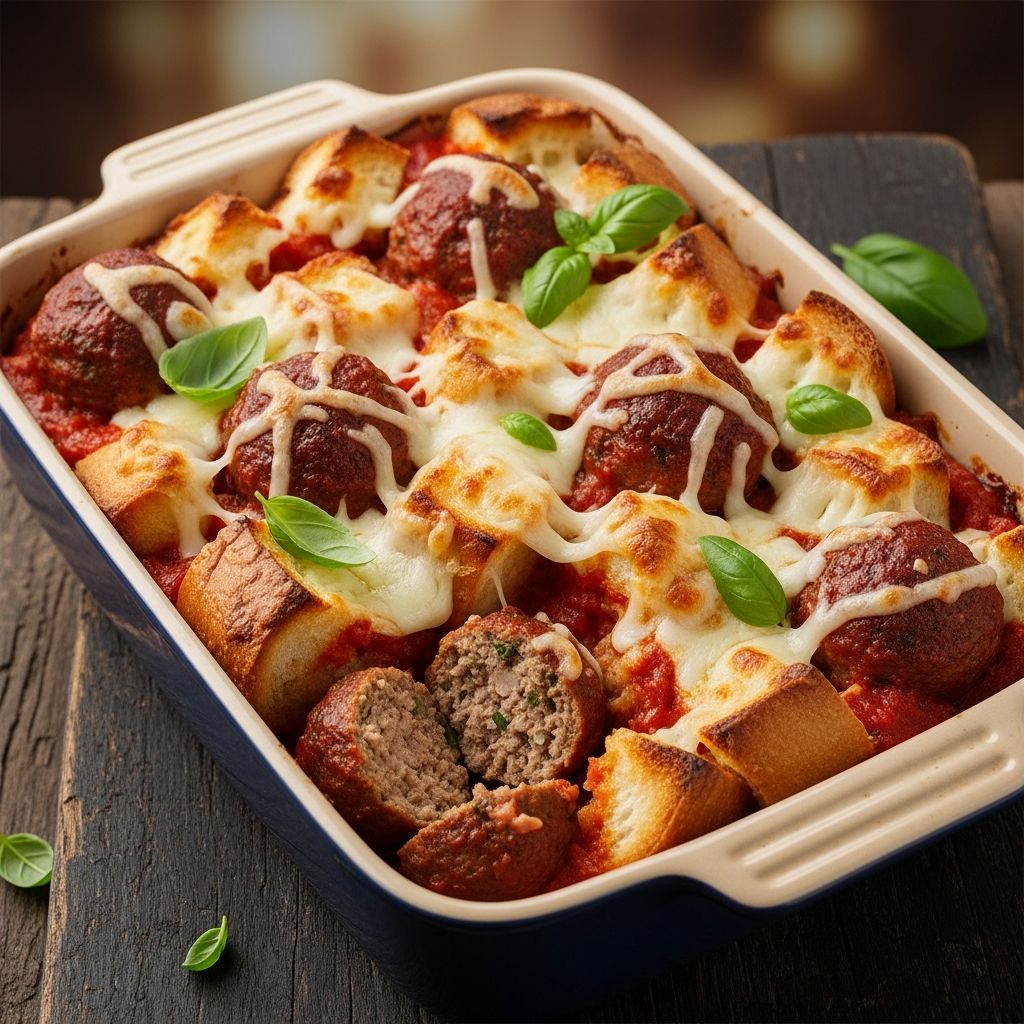
When you’re searching for a dinner that combines the beloved flavors of an Italian meatball sandwich with the convenience of a casserole format, this dish delivers exactly what you need. This hearty baked creation brings together tender meatballs, tangy marinara sauce, and generous layers of melted cheese over toasted bread—all prepared in a single baking dish. The result is a satisfying meal that appeals to both children and adults, making it perfect for busy weeknights, family gatherings, or casual entertaining.
Understanding the Appeal of This Versatile Dish
The beauty of a meatball sandwich casserole lies in its flexibility and straightforward preparation. Unlike traditional sandwiches that require individual assembly, this casserole-style approach allows you to serve multiple portions simultaneously without the fuss. The bread absorbs the flavors from the meatball mixture while maintaining enough structure to provide substance to each serving. The combination of Italian seasonings with multiple cheese varieties creates depth of flavor that develops as the dish bakes.
This recipe works particularly well for meal planning because it can be prepared ahead of time and simply reheated when needed. The flavors actually improve as they meld together, making it an excellent choice for preparing a day in advance. Additionally, the dish accommodates various dietary preferences through simple ingredient substitutions, whether you’re looking for homemade meatballs or want to adjust the cheese blend.
Essential Ingredients and Their Roles
Creating an authentic Italian meatball sandwich casserole requires attention to ingredient quality and proportion. Understanding what each component contributes helps you make informed substitutions if needed.
The Foundation: Bread Selection
The bread serves as the foundation of this casserole, requiring careful selection and preparation. Italian bread provides the traditional flavor profile, though hearty white bread offers a milder alternative. The thickness of your bread slices matters significantly—slices should be approximately one inch thick to maintain structural integrity while allowing proper absorption of the sauce. Some preparation methods involve toasting the bread before assembly to prevent sogginess, while others simply layer it raw, allowing the heat of the oven to toast it as the casserole bakes.
The Protein: Meatball Options
Frozen Italian meatballs offer convenience without sacrificing flavor, typically containing a blend of beef, pork, and breadcrumbs with Italian seasonings already incorporated. A standard casserole serving uses approximately half a bag of frozen meatballs or one pound of homemade alternatives. Homemade meatballs allow complete control over ingredients and spice levels, requiring simple mixing of ground beef with breadcrumbs, eggs, and seasonings followed by baking until cooked through before assembly.
The Sauce: Creating Rich Flavor
A jarred marinara or spaghetti sauce forms the liquid component that carries flavor throughout the casserole. A standard 24-ounce jar provides adequate sauce for binding all layers together. The sauce should complement rather than overpower the cheese and bread, making mid-range quality jarred varieties perfectly acceptable for this application. Some cooks enhance the sauce by simmering it briefly with additional seasonings before layering.
The Cheese: Building Complexity
Multiple cheese varieties create a more sophisticated flavor profile than relying on a single cheese type. Mozzarella provides the stretchy quality and creamy melt, Italian blend cheese adds complexity, and Parmesan contributes a sharp, nutty undertone. A typical casserole incorporates approximately one cup of mozzarella, one cup of Italian blend cheese, and one-half cup of shredded Parmesan cheese. Using pre-shredded varieties simplifies preparation, though freshly grated cheese from blocks melts slightly more smoothly.
Seasoning Components
Beyond the seasonings already present in frozen meatballs and sauce, additional flavor depth comes from:
- Italian seasoning blend
- Garlic powder
- Dried basil
- Oregano
- Onion powder
- Fresh or dried parsley for garnish
Fresh diced onion adds textural variety and subtle sweetness, typically using one small onion per casserole. These aromatics soften during baking and distribute their flavors throughout the dish.
Preparation and Assembly Methods
Several approaches to assembling this casserole exist, each producing slightly different textural results. The choice depends on your preference for bread texture and how thoroughly you want flavors to meld.
The Layered Approach
In this method, bread slices form the base layer in a greased 9×13-inch baking dish. Some versions call for pre-toasting the bread, while others skip this step. The bread layer is followed by a spreading of softened cream cheese mixed with mayonnaise and seasonings, which creates a creamy middle layer adding richness. This is followed by a light sprinkle of mozzarella cheese, then the meatball and sauce mixture distributed evenly over top. Final garnish consists of remaining cheese varieties sprinkled across the entire surface.
The Simplified Approach
A more streamlined version combines the meatballs with sauce and seasonings directly, then pours this mixture over toasted bread in the baking dish, topping with all cheese varieties. This method reduces steps while maintaining authentic flavor development. The bread absorbs the sauce more rapidly in this approach, creating a more cohesive texture throughout the casserole.
The Ring Assembly
A decorative presentation arranges bread slices standing upright around the edges of the baking dish, creating a crown effect. Garlic-brushed bread slices form the perimeter while meatballs, sauce, and cheese occupy the center. This approach provides visual appeal while allowing guests to enjoy crispy bread edges alongside the tender center portions.
Baking Process and Temperature Control
Proper baking temperature and timing ensure the casserole cooks through completely while allowing cheese to melt and slightly brown without burning the bread.
| Method | Temperature | Time | Best For |
|---|---|---|---|
| Standard Bake | 350°F | 30-35 minutes | Even cooking with moderate browning |
| Higher Heat | 400°F | 20-30 minutes | Faster cooking with darker browning |
| Covered then Uncovered | 350°F | 20 min covered, 15 min uncovered | Preventing excessive browning |
The most common approach uses a 350°F oven for 30 to 35 minutes uncovered. This temperature allows even heating throughout without rapid cheese browning. If the casserole begins browning too quickly, loosely covering with aluminum foil protects the surface while the interior continues cooking.
Flavor Enhancement Strategies
While the basic recipe delivers satisfying results, several techniques elevate the final dish:
- Cream cheese layer: Adding an 8-ounce block of softened cream cheese mixed with mayonnaise and seasonings between the bread and sauce creates richness and helps bind layers
- Garlic oil finish: Brushing bread with garlic-infused olive oil before baking or serving adds aromatic depth
- Fresh herbs: Adding fresh basil or parsley just before serving provides brightness that balances the richness
- Red pepper flakes: A light sprinkle of crushed red pepper adds subtle heat for those preferring spicier flavors
- Sauce enhancement: Simmering the marinara with additional Italian seasoning, fresh garlic, and dried basil before assembly creates more developed flavors
Serving Suggestions and Accompaniments
While the casserole stands as a complete meal, strategic accompaniments enhance the dining experience. A simple green salad with Italian vinaigrette provides a fresh contrast to the richness. Garlic bread or extra toasted Italian bread allows guests to scoop additional sauce. Roasted vegetables such as zucchini, bell peppers, or broccoli add nutritional balance. For a lighter meal, serve smaller portions alongside a substantial salad.
Allow the casserole to cool for 5 to 10 minutes after removing from the oven before serving. This resting period allows the cheese to set slightly, making portions more cohesive and easier to serve cleanly.
Storage and Make-Ahead Considerations
This casserole improves when flavors develop overnight in the refrigerator. Assemble completely the day before baking, covering tightly with plastic wrap, then bake according to recipe instructions, adding 5 to 10 minutes to the total time due to cold starting temperature. Fully baked casserole stores in the refrigerator for up to three days. Reheat covered at 325°F for 15 to 20 minutes, adding a small splash of water to prevent drying.
The unbaked assembled casserole also freezes successfully for up to one month. Thaw in the refrigerator overnight before baking, again adding a few extra minutes to account for the cold starting point.
Frequently Asked Questions
Can I use homemade meatballs instead of frozen?
Absolutely. Combine one pound of ground beef with one egg, one-third cup of breadcrumbs, chopped onion, and Parmesan cheese. Form into one-inch meatballs, place on a baking sheet, and bake at 400°F for 15 to 20 minutes until cooked through before incorporating into the casserole.
What type of bread works best?
Italian bread provides traditional flavor, though hearty white bread or even ciabatta work well. Avoid soft sandwich bread, which becomes mushy. Cut bread into approximately one-inch thick slices for proper texture.
How do I prevent the casserole from becoming soggy?
Pre-toasting the bread slices before assembly reduces moisture absorption. Alternatively, using slightly less sauce than the recipe calls for helps maintain bread structure. The bread naturally firms during baking.
Can I make this casserole vegetarian?
Yes, substitute the meatballs with plant-based alternatives or use additional vegetables such as mushrooms, zucchini, and bell peppers combined with extra cheese and sauce.
What should I do if the top is browning too quickly?
Loosely cover with aluminum foil during baking to shield the surface while the interior continues cooking. Remove the foil during the final 5 minutes to re-expose the cheese if desired.
How many servings does this casserole yield?
A standard 9×13-inch casserole provides 6 to 8 servings depending on portion size and whether it’s served as a main dish or alongside other foods.
Adapting the Recipe for Dietary Preferences
This casserole adapts easily to various dietary needs. Those avoiding dairy can substitute dairy-free cheese alternatives, though the texture may differ slightly. For gluten-free preparation, use gluten-free bread and verify that meatballs and sauce contain no gluten-containing ingredients. Lower-sodium versions use unsalted ingredients and reduce added salt.
The recipe also scales up for larger gatherings by proportionally increasing all ingredients and using a larger baking dish or multiple casseroles.
Why This Casserole Works for Modern Cooking
In today’s busy culinary landscape, this Italian meatball sandwich casserole represents the intersection of comfort food tradition and practical efficiency. It delivers restaurant-quality flavor through simple techniques, requires minimal active preparation time, and accommodates advance planning. Whether you’re cooking for a weeknight family dinner or hosting guests, this casserole provides reliable, satisfying results that consistently please diverse palates. The dish honors Italian culinary traditions while embracing the convenience modern home cooks appreciate.
References
- Meatball Sub Casserole — The Country Cook. 2024. https://www.thecountrycook.net/meatball-sub-casserole/
- Meatball Sub Casserole Recipe — Jan D’Atri. 2024. https://jandatri.com/recipe/meatball-sub-casserole-2/
- Meatball Sub Casserole — Aunt Bee’s Recipes. 2016. https://auntbeesrecipes.com/2016/09/meatball-sub-casserole.html
- Meatball Sub Casserole | Easy Cheesy Dinner Bake — The Chunky Chef. 2024. https://www.thechunkychef.com/meatball-sub-bubble-bake/
Similar Articles




Read full bio of Sneha Tete