Italian-Inspired Aperol Margarita: A Modern Cocktail
Discover how to craft an elegant Aperol Margarita blending Italian and Mexican flavors
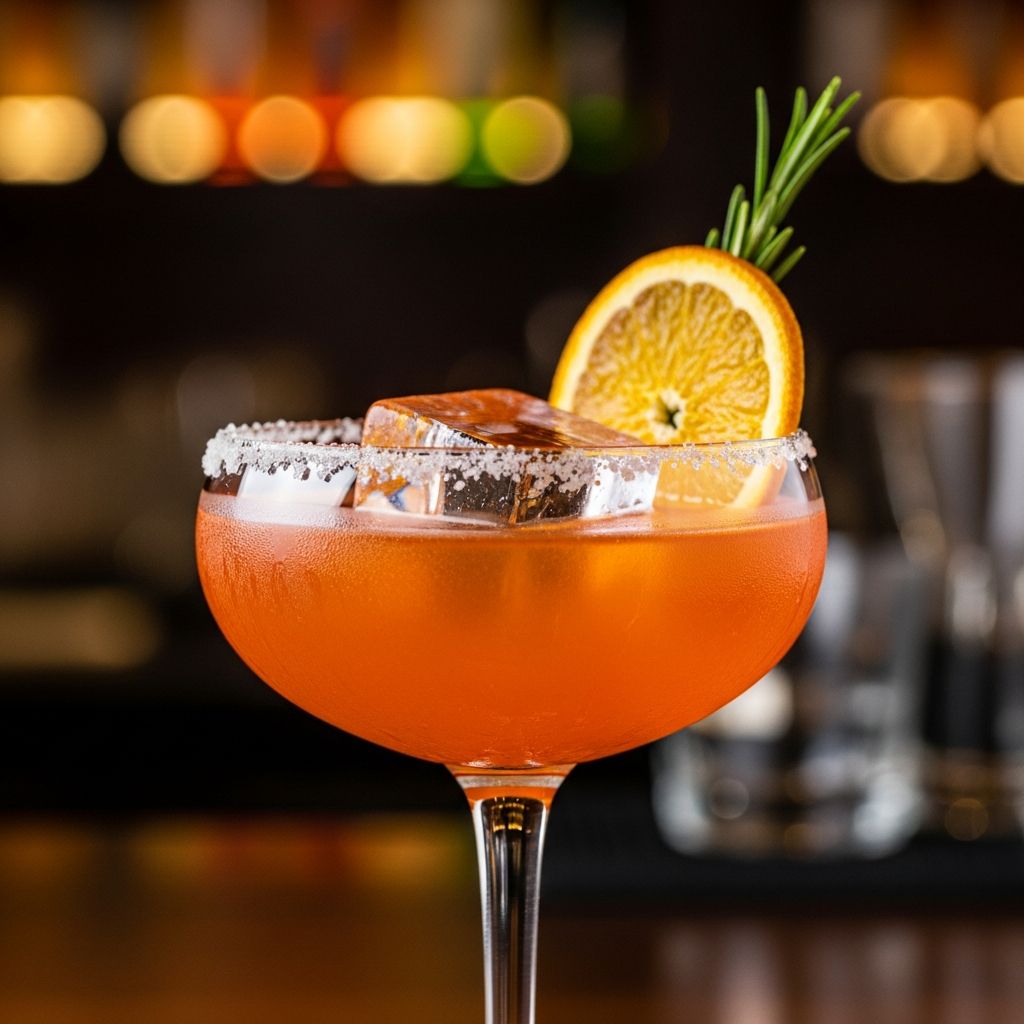
Italian-Inspired Aperol Margarita: A Contemporary Take on a Timeless Classic
The convergence of Mexican and Italian drinking traditions has given rise to one of the most captivating cocktails of recent years. By merging the vibrant spirit of tequila with the sophisticated bittersweet profile of Aperol, bartenders and home mixologists have created a drink that transcends geographical boundaries. This aperitif-forward margarita represents a thoughtful evolution of cocktail craftsmanship, offering drinkers a complex flavor journey that balances brightness with herbal undertones.
Understanding the Core Components
At its heart, this distinctive cocktail relies on the interplay between three primary ingredients that define its character. Tequila provides the foundational spirit base, while Aperol contributes its signature bittersweet Italian essence. Fresh citrus juices tie these elements together, creating a harmonious balance that appeals to both seasoned cocktail enthusiasts and casual drinkers seeking something beyond ordinary beverages.
The beauty of this drink lies in how each ingredient maintains its individual identity while contributing to a unified whole. Unlike many cocktails that mask or overshadow their components, the Aperol Margarita celebrates the dialogue between its constituent parts.
Selecting Your Tequila
The choice of tequila fundamentally determines the cocktail’s overall character and quality. Blanco tequila stands out as the preferred option for this particular drink, offering a clean, unencumbered agave flavor that doesn’t compete with Aperol’s distinctive bittersweet profile. The transparency of blanco varieties allows the subtle notes of the Italian aperitif to shine through without interference from aging influences.
Blanco tequila’s bright, peppery characteristics create an ideal foundation for layering additional flavors. When selecting a bottle, prioritizing quality matters significantly. Premium tequila brands demonstrate superior smoothness and complexity compared to budget alternatives, ultimately elevating the final cocktail experience.
For those interested in experimentation, reposado tequila offers a slightly mellower option with minimal oak aging, while gold tequila provides additional sweetness. However, these alternatives risk overshadowing Aperol’s delicate balance. Some adventurous bartenders substitute mezcal entirely, introducing smoky undertones that create an entirely different sensory experience while maintaining the drink’s essential spirit.
The Italian Aperitif Element
Aperol distinguishes itself as an essential component of this contemporary cocktail. This bright orange-hued Italian aperitif carries a distinctive flavor profile combining bitter, sweet, and herbal notes. Unlike its bolder cousin Campari, Aperol presents a more approachable, nuanced bitterness that doesn’t overwhelm the palate.
The spirit’s relatively low alcohol content—approximately 11% ABV—means it contributes flavor without excessive alcohol burn. Aperol’s botanical composition includes bitter orange, rhubarb, and various herbs that evolved from traditional Italian aperitif traditions. When combined with tequila’s peppery agave characteristics, these botanicals create unexpected flavor intersections that distinguish this margarita from standard preparations.
Finding Aperol has become increasingly straightforward. Most well-stocked liquor stores now carry bottles in their aperitif section, typically positioned near Campari and other Italian fortified wines. The ingredient’s rising popularity in contemporary mixology has made it readily accessible to home bartenders throughout North America and Europe.
Citrus Juice Selection and Preparation
Fresh citrus juice represents a non-negotiable requirement for cocktail excellence. Bottled lime juice contains preservatives and stabilizers that fundamentally alter the cocktail’s character, introducing artificial undertones that compromise the drinking experience. Fresh-squeezed lime juice delivers bright acidity and genuine flavor complexity that cannot be replicated through commercial bottling.
A single large lime or two smaller limes typically yields sufficient juice for a single cocktail. Orange juice—preferably freshly squeezed rather than bottled—adds complementary sweetness and aromatic depth. The citrus oils in fresh juice contribute aromatic compounds that enhance the overall drinking experience while providing visual appeal through natural color variations.
Some preparations incorporate both lime and orange zests as components of the glass rim, intensifying the citrus presentation through aromatics that engage the drinker before the first sip. The ritual of rimming the glass with citrus-infused salt or specialized seasonings creates multisensory engagement that elevates the cocktail beyond simple liquid refreshment.
Sweetness and Depth: Syrup Components
While traditional margaritas rely on triple sec for sweetness and depth, the Aperol variant benefits from alternative sweetening approaches. Almond-forward syrups provide subtle complexity that complements Aperol’s botanical profile. Creating homemade almond simple syrup requires minimal effort: combining granulated sugar with water, heating until dissolution occurs, then incorporating pure almond extract off-heat before cooling.
This preparation method yields a syrup that contributes elegant nuttiness without cloying sweetness. The almond element echoes orgeat’s traditional role in tropical and sophisticated cocktails, adding textural interest and flavor roundness to each sip.
Alternative sweetening options include agave nectar—honoring the margarita’s Mexican heritage while providing subtle, refined sweetness—or traditional simple syrup for those preferring straightforward approaches. Some bartenders incorporate orange blossom water for additional aromatic dimension, creating increasingly complex flavor profiles that reward careful tasting.
Preparation Methodology
Proper technique matters considerably when assembling this cocktail. Begin by preparing your glassware with ice—whether using crushed ice for texture or standard ice cubes for simplicity remains a matter of personal preference. Crushed ice provides textural variation and increases surface area for dilution, creating a slightly softer mouthfeel during consumption.
Combine all liquid ingredients—tequila, Aperol, fresh lime juice, orange juice, and your chosen syrup—in a cocktail shaker filled with standard ice cubes. Secure the shaker firmly and shake vigorously for approximately 20-30 seconds until the exterior becomes cold to the touch. This duration ensures proper chilling while achieving adequate dilution through ice melting, which softens the drink’s harshness and integrates flavors more cohesively.
Strain the chilled mixture into your prepared glass containing ice. The transition from shaker to glass should occur smoothly, with the cold liquid cascading over ice without excessive splashing or temperature loss.
Rim Variations and Finishing Touches
The glass rim presents an opportunity for personalization and flavor augmentation. Traditional margarita salt—coarser than table salt—mixed with fresh citrus zest creates a fragrant, textured rim that enhances each sip through immediate flavor introduction.
For those preferring spicier profiles, Tajín seasoning—a Mexican chili and lime-based blend—transforms the rim into a flavor-forward element that adds complexity and heat. This preparation method appeals to drinkers seeking more assertive seasoning experiences without overwhelming the underlying cocktail balance.
Sweet-oriented alternatives include simple syrup rimming followed by demerara or granulated sugar, creating dessert-like characteristics that shift the overall flavor profile toward enhanced sweetness. This variation appeals particularly to those preferring less bitter aperitif expressions or seeking cocktails paired with spicy food.
Glassware Considerations
While traditional margarita glasses appear in many recipes, rocks glasses or stemless tulip glasses offer practical advantages for the Aperol variant. These vessels provide better ice retention and allow drinkers to appreciate the cocktail’s natural color without the formal presentation of traditional margarita glassware.
The choice between serving vessels ultimately reflects personal preference and available options. The cocktail’s quality depends far more on ingredient selection and preparation technique than on glassware presentation, though appropriate vessel selection does enhance the overall experience.
Seasonal Applications and Pairing Opportunities
This cocktail naturally aligns with warm-weather entertaining, finding particular popularity during summer months when fresh citrus remains abundant and accessible. The combination of tequila’s refreshing characteristics with Aperol’s aperitif tradition makes this drink equally suitable as a pre-dinner refresher or standalone summer beverage.
Food pairings complement this cocktail’s flavor profile effectively. The drink’s bright acidity and slight bitterness pair beautifully with Mediterranean cuisines, seafood preparations, and lighter fare. Mexican and Italian fusion cuisine finds particular synergy with this drink’s cross-cultural character.
Homemade Versus Commercial Options
Creating this cocktail at home offers significant advantages over pre-batched or commercial versions. Fresh juice quality remains superior, ingredient selection remains entirely within your control, and the preparation ritual engages you in the cocktail creation process. For entertaining purposes, preparing individual cocktails ensures each drink receives proper attention and optimal chilling.
Commercial versions or pre-batched preparations sacrifice freshness and personalization, typically relying on shelf-stable juice substitutes and standardized sweetening approaches that diminish overall quality and complexity.
Frequently Asked Questions
Can I prepare this cocktail in advance?
Fresh cocktails always outperform advance preparation, as citrus juice oxidizes and carbonation dissipates over time. For entertaining groups, prepare ingredients separately and assemble individual drinks as needed. This approach ensures optimal flavor and temperature consistency.
What if I cannot find Aperol?
While Aperol provides the signature character, Campari offers an acceptable substitute with the caveat that it delivers bolder, more aggressive bitterness. Use slightly less Campari to avoid overwhelming the drink’s balance.
Should I use triple sec instead of Aperol?
Triple sec fundamentally alters the drink’s character, substituting herbal complexity for straightforward citrus-forward sweetness. This approach essentially creates a traditional margarita rather than the sophisticated variant this recipe represents.
How do I know if my tequila is quality?
Quality tequila carries the 100% agave designation on its label, indicating genuine tequila production rather than lower-cost alternatives blended with additives. Reputation within the cocktail community and premium pricing typically correlate with superior quality.
Storage and Ingredient Longevity
All ingredients require appropriate storage for optimal preservation. Tequila and Aperol maintain stability indefinitely when stored in cool, dark locations away from direct sunlight. Fresh citrus juice remains viable for several hours when refrigerated immediately after juicing. Homemade syrups last approximately two weeks when stored in sealed containers within refrigeration.
Purchasing fresh citrus regularly rather than stockpiling ensures optimal flavor quality. This approach aligns with seasonal availability while supporting the philosophy of fresh, high-quality cocktail preparation.
Conclusion
The Aperol Margarita represents a thoughtful fusion of two distinct cocktail traditions, creating something greater than the sum of its components. By respecting ingredient quality, maintaining proper technique, and understanding how flavors interact, home bartenders can consistently create sophisticated beverages that rival professional establishments. This cocktail’s appeal extends beyond novelty, offering genuine complexity and satisfaction that rewards careful preparation and mindful consumption.
References
- Aperol Official Brand Information — Campari Group. 2025. https://www.aperol.com
- The Tequila Bible: The Essential Reference for Understanding, Selecting, and Drinking Tequila — DeströGrupa, Chantal and Lucinda Hutson. 2022. Penguin Random House
Similar Articles


Read full bio of medha deb