Italian Chocolate Pizzettes: Elegant Cookie Recipe
Master the art of crafting sophisticated Italian chocolate cookies with spiced elegance.
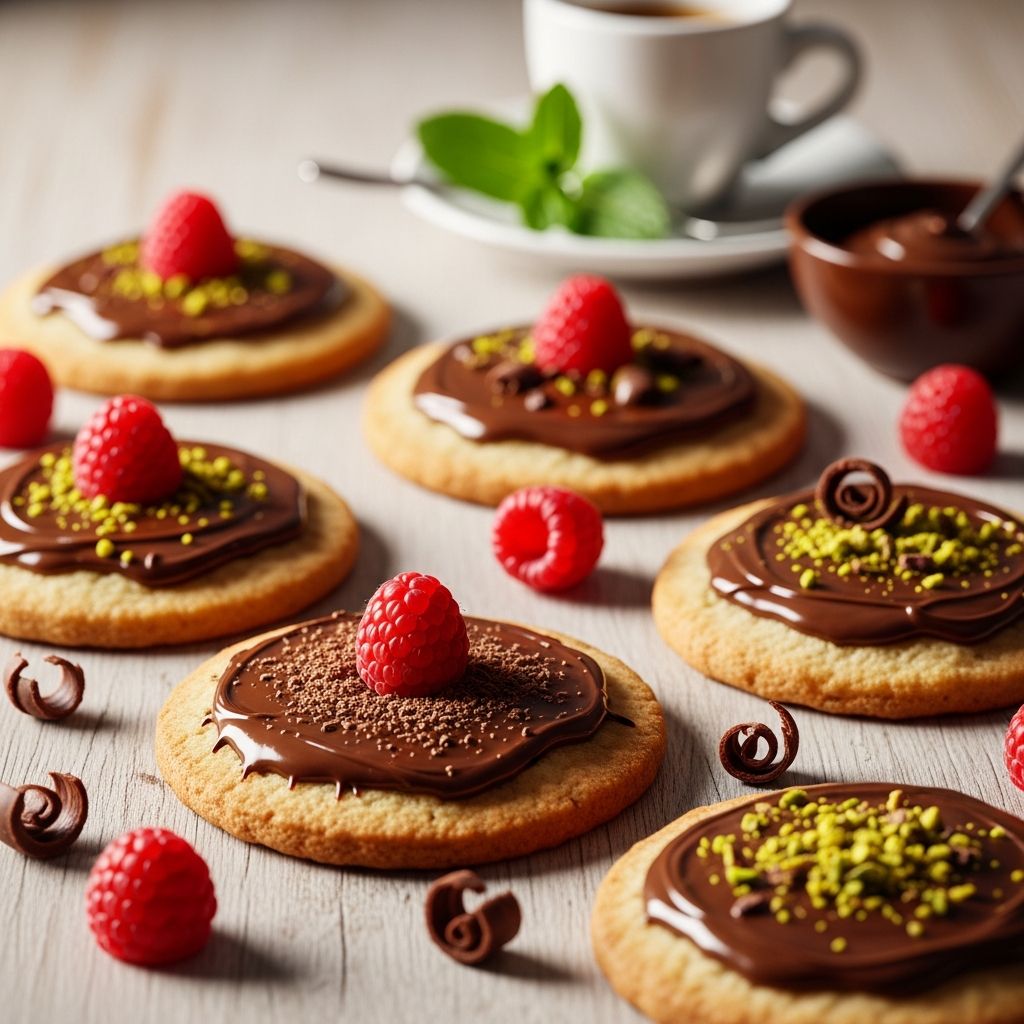
The Art of Creating Italian Chocolate Pizzettes
Italian cuisine extends far beyond savory pasta dishes and risotto—it encompasses a rich tradition of refined desserts and pastries that showcase delicate flavor combinations and meticulous technique. Among these beloved treats, pizzettes stand out as a sophisticated choice for those seeking to elevate their home baking repertoire. These distinctive chocolate cookies represent a harmonious blend of Italian pastry-making heritage and contemporary dessert sensibilities, offering bakers an opportunity to explore the intersection of simplicity and complexity that defines Italian confectionery arts.
Pizzettes derive their name from their distinctive elongated diamond shape, which resembles miniature slices of pizza. However, these cookies bear no resemblance to their savory namesake. Instead, they deliver a refined chocolate experience complemented by unexpected flavor dimensions that transform an ordinary cookie into something extraordinary. The marriage of bittersweet chocolate with warm spices, toasted almonds, and bright citrus notes creates a sensory experience that lingers on the palate, making these cookies particularly suitable for special occasions or holiday celebrations.
Understanding the Flavor Profile and Ingredients
The distinctive character of pizzettes emerges from the thoughtful combination of complementary ingredients, each contributing its own dimension to the final product. The foundation begins with quality bittersweet chocolate, which provides depth and sophistication without overwhelming the palate with excessive sweetness. This chocolate is supported by cocoa powder, which intensifies the chocolate flavor while contributing to the cookie’s tender crumb structure.
Beyond chocolate, the flavor architecture relies on several supporting players that create complexity and intrigue. Toasted almonds provide textural contrast and nutty undertones that ground the recipe’s flavor profile. The inclusion of warm spices—particularly cinnamon, nutmeg, and cloves—introduces aromatic warmth that evokes festive occasions and cozy gatherings. Citrus zest, typically from lemons and oranges, brightens the composition and prevents the cookies from feeling heavy or one-dimensional. This citrus element cuts through the richness of the chocolate and spices, creating a more dynamic and memorable tasting experience.
Essential Components for Success
- Bittersweet chocolate chips and chopped bittersweet chocolate: Provides the primary flavor foundation and glossy glaze
- Raw skin-on almonds: Offer texture, nutrition, and subtle flavor complexity when toasted
- All-purpose flour and leavening agents: Create structure while maintaining a tender crumb
- Unsalted butter: Serves as the fat base for the dough
- Eggs: Bind ingredients while adding richness and structure
- Warm spices: Cinnamon, nutmeg, and cloves create aromatic depth
- Citrus zest: Lemon and orange add brightness and prevent flavor monotony
- Cocoa powder: Intensifies chocolate flavor without additional fat
The Preparation Process and Technique
Creating pizzettes successfully requires attention to detail and understanding how each step contributes to the final product. The baking process begins with toasting raw almonds, a seemingly simple step that actually transforms their flavor profile significantly. When raw almonds are gently heated until fragrant and slightly darkened, their natural oils are released and concentrated, creating a more pronounced nutty taste that would be absent in untoasted almonds.
Once cooled, the almonds must be processed in a food processor to a consistency that distributes evenly throughout the dough without creating nut butter. This preparation ensures that every bite contains almond pieces rather than having almonds settle to the bottom of the finished cookies.
The spice blooming technique employed in this recipe deserves particular attention, as it significantly enhances the aromatics present in the final cookies. By melting butter and then stirring in spices while the butter is still warm, the heat gently awakens the volatile oils in the cinnamon, cloves, and nutmeg. Allowing this mixture to sit for several minutes before incorporating other ingredients permits the spices to fully infuse into the butter, distributing their flavors evenly throughout the dough rather than appearing as isolated pockets of spice intensity.
Step-by-Step Instructions
Preparation Phase: Begin by preheating your oven to 350°F. Arrange almonds on a rimmed baking sheet and toast them, stirring occasionally, until their color deepens slightly and fragrance becomes evident—approximately 7 to 10 minutes. Transfer to a cooling surface. Once almonds reach room temperature, process them in a food processor until they achieve a texture similar to coarse breadcrumbs. Increase oven temperature to 375°F.
Dry Ingredient Combination: In a medium bowl, whisk together all-purpose flour, baking powder, and kosher salt. Set aside. This preliminary combination ensures even distribution of leavening agents throughout the dough.
Spice Infusion: Melt unsalted butter over medium heat in a small saucepan. Once melted, remove from heat and stir in cinnamon, nutmeg, and cloves. Allow this mixture to rest for approximately five minutes, permitting the spices to fully infuse into the warm butter.
Wet Ingredient Development: In a large mixing bowl, whisk granulated sugar together with Dutch-process cocoa powder. This combination breaks up any cocoa lumps and begins to incorporate air into the mixture. Pour the spiced butter into this mixture, ensuring you scrape the saucepan thoroughly to capture all infused spices. Whisk vigorously until fully combined and smooth in appearance.
Egg Incorporation: Add one whole egg and one egg yolk to the chocolate mixture. Whisk with considerable vigor until the mixture becomes thick, glossy, and significantly lighter in color than before. This vigorous whisking incorporates air, which contributes to the cookies’ texture.
Final Dough Assembly: Add the flour mixture to the chocolate mixture, stirring until just combined. Fold in the toasted processed almonds, chopped chocolate chips, and both lemon and orange zests. The citrus zests should be distributed as evenly as possible to ensure their brightness appears throughout the cookies rather than concentrating in certain bites.
Shaping and Baking: Turn the dough onto a clean work surface. Divide it into two equal portions and roll each into a log approximately 1.5 inches wide. Flatten each log to approximately 2 inches wide, then cut diagonally into 1-inch-wide pieces, creating the distinctive diamond shapes characteristic of pizzettes. Arrange on parchment-lined baking sheets with at least one inch of space between each cookie.
Bake for 8 to 10 minutes, rotating baking sheets halfway through the baking process to ensure even browning. The cookies should appear firm around their edges while maintaining a slight softness in their centers. This technique ensures a cookie with contrasting textures—crispy edges and a tender, fudgy middle.
Creating and Applying the Glaze
The glaze represents the finishing element that elevates these cookies from simple baked goods to elegant treats worthy of presentation. The glaze must achieve specific characteristics: it should be glossy and smooth enough to coat the cookie tops evenly while remaining thick enough to set properly rather than running off the sides.
To prepare the glaze, melt bittersweet chocolate and unsalted butter together using either a double boiler method or microwave in controlled bursts. The double boiler approach offers superior temperature control, preventing chocolate scorching. If using a microwave, heat the chocolate mixture in 20-second intervals, stirring between each burst to ensure even melting and prevent overheating.
Once the chocolate and butter are fully melted and combined, whisk in powdered sugar and a pinch of kosher salt. The powdered sugar serves multiple functions: it adds sweetness, thickens the glaze to the proper consistency, and creates the smooth, refined appearance characteristic of professionally decorated cookies. Add boiling water gradually while whisking, incorporating just enough to achieve the desired glaze consistency—smooth enough to coat without being so thin that it drips.
Dip the top of each cooled cookie into the glaze, allowing excess to drip back into the bowl. Place glazed cookies on a wire rack glaze-side up and allow approximately two hours for the glaze to fully set. If desired, leftover glaze can be thickened with additional powdered sugar and drizzled decoratively across the cookie tops using a spoon in a zigzag pattern.
Storage and Make-Ahead Options
One of the appealing aspects of pizzettes is their suitability for advance preparation, making them ideal for holiday entertaining or gift-giving purposes. Completely cooled pizzettes store well in airtight containers at room temperature for up to five days. The glaze protects the cookies’ interior moisture while allowing the flavors to develop and meld slightly over time.
For longer-term storage, unglazed cookies can be frozen in airtight containers for up to one month. Apply the glaze after thawing, which ensures the glaze remains glossy and attractive. Glazed pizzettes are best consumed within the first week but remain acceptable for two weeks if stored properly in cool conditions away from direct heat or sunlight.
Troubleshooting Common Issues
Understanding potential challenges and their solutions helps ensure success on your first attempt. If cookies spread excessively during baking, the dough may have been too warm; chill the shaped cookies for 15 minutes before baking. If cookies remain too soft after the recommended baking time, they likely need an additional 1-2 minutes; oven temperatures vary, so adjust according to your equipment’s characteristics.
Should the glaze appear grainy or separated, the chocolate was likely overheated or the glaze ingredients were incorporated too quickly. Whisk in small amounts of warm water gradually until the glaze becomes smooth and glossy again. If the glaze sets too quickly, creating difficulty in dipping, gently warm it over the double boiler or in brief microwave bursts.
Variations and Adaptations
While the traditional recipe offers excellence in its current form, creative bakers may wish to explore variations that maintain the essential character while introducing personal touches. Substituting all-purpose flour with a high-quality gluten-free flour blend allows those with dietary restrictions to enjoy these cookies without compromising texture or flavor. Swapping traditional dairy butter for vegan alternatives or using oil-based ingredients accommodates various dietary preferences.
Espresso powder or strong brewed coffee can be incorporated into the glaze to deepen chocolate notes and appeal to coffee enthusiasts. Some bakers prefer substituting traditional warm spices with different combinations, such as cardamom and black pepper, to create their own signature version. These adaptations allow pizzettes to serve different occasions and preferences while maintaining the cookies’ essential identity.
Seasonal and Presentational Considerations
Pizzettes shine particularly during winter holiday seasons when their warm spices and rich chocolate complement festive gatherings and cold weather atmospheres. Their elegant appearance makes them suitable for gift-giving, as they present beautifully when arranged in decorative boxes or packages. The glossy chocolate glaze and distinctive diamond shape distinguish them from ordinary cookies, elevating their perceived value as homemade gifts.
These cookies also pair excellently with hot beverages—coffee, tea, or hot chocolate—making them particularly suitable for afternoon gatherings or morning coffee service. Their flavor complexity ensures they remain interesting even when consumed multiple times throughout a season, unlike simpler cookies that may lose appeal through repetition.
References
- Chocolatey Pizzettes — Bon Appétit (Recipe by Chris Morocco). 2020. https://lynnandruss.com/2020/12/13/chocolatey-pizzettes/
- Pizzette & Why Secret Recipes are Bullsh*t — Chef Alina. https://chefalina.com/gluten-free-pizzette-cookies/
- Italian Chocolate Pizzette Cookies — Stroll Magazine. https://www.strollmag.com/locations/the-eagles-af6e/articles/-216c1d/
- Pizzettes (Italian Chocolate Cookies) Recipe — Cooks.com. https://www.cooks.com/recipe/wc1zb8ip/pizzettes-italian-chocolate-cookies.html
Similar Articles


Read full bio of Sneha Tete