Creating Your Perfect Homemade Wedding Cake
Master the art of baking and decorating a stunning wedding cake from scratch
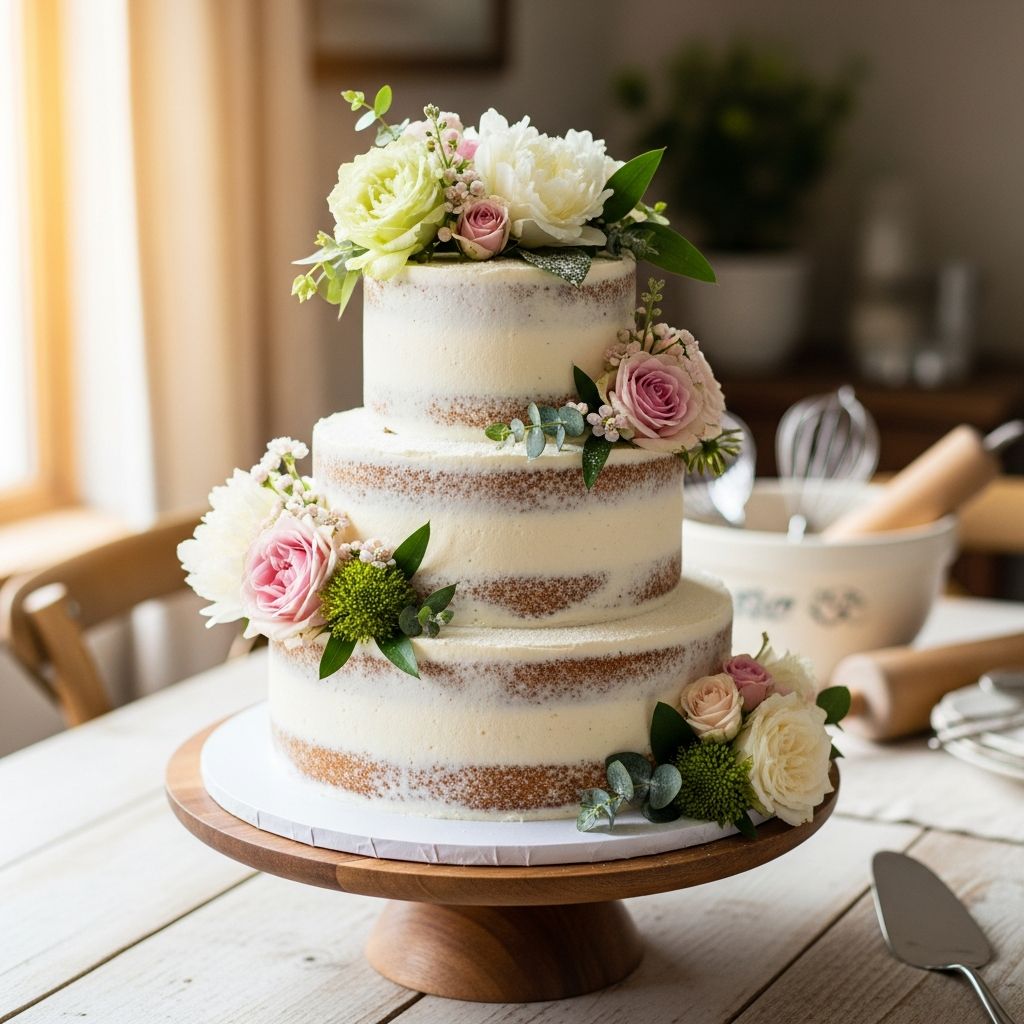
Baking a wedding cake at home may seem like an intimidating endeavor, but with proper planning, quality ingredients, and clear instructions, even novice bakers can create an elegant centerpiece for their special day. A homemade wedding cake offers several advantages: cost savings compared to professional bakeries, creative control over flavors and design, and the personal satisfaction of serving a cake you crafted yourself.
Understanding the Foundation: Selecting Your Cake Recipe
The success of your wedding cake begins with choosing an appropriate recipe. Wedding cakes typically require more structural integrity than casual desserts since they must support multiple tiers and decorative elements. A quality wedding cake recipe should produce layers that are moist yet sturdy enough to withstand stacking and transportation.
Vanilla-based cakes remain the most popular choice for weddings, offering broad appeal and compatibility with various frosting flavors. Recipes using butter as the primary fat, combined with sour cream or buttermilk for moisture, create the ideal texture: tender crumb with sufficient strength for assembly.
Key Ingredients for Stability and Flavor
- All-purpose or cake flour (cake flour produces a more delicate crumb)
- Unsalted butter at room temperature
- Granulated sugar for sweetness and structure
- Large eggs at room temperature for binding and lift
- Buttermilk or sour cream for richness and moisture
- Pure vanilla extract for authentic flavor
- Baking powder and baking soda for appropriate rise
- Salt to enhance flavors
Preparing for Success: Pre-Baking Considerations
Before mixing your first batch of batter, proper preparation significantly impacts your results. Room temperature ingredients—particularly butter, eggs, and dairy—incorporate more evenly, creating a uniform batter without overmixing. Cold ingredients can cause separation and produce an inferior crumb structure.
Essential Equipment Needed
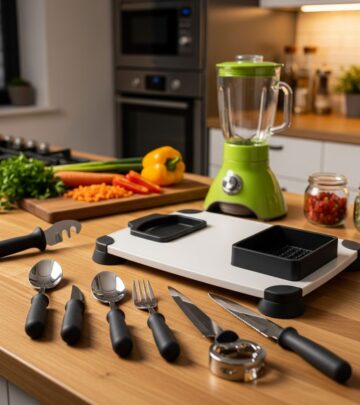
- Stand mixer or handheld electric mixer with paddle attachment
- Multiple cake pans in graduating sizes (typically 8-inch, 6-inch for two tiers)
- Cake leveler or serrated knife for trimming
- Wire cooling racks for proper air circulation
- Offset spatulas for frosting and crumb coating
- Piping bags and decorating tips
- Cake turntable for easier decorating
- Toothpicks for testing doneness
Prepare all pans in advance using baker’s spray or traditional greasing with flour and parchment rounds. This prevents sticking and ensures even browning.
The Baking Process: Achieving Perfect Cake Layers
Wedding cake recipes often call for multiple layers within each tier. For a two-tier cake, you might bake two layers for the bottom tier and two for the top. For three-tier designs, you could create six individual layers for enhanced stability and professional appearance.
Mixing Your Batter Correctly
The mixing method matters significantly in wedding cake preparation. Begin by combining your dry ingredients—flour, sugar, baking powder, baking soda, and salt—in your mixer bowl. This ensures even distribution of leavening agents.
Add room-temperature butter to the dry ingredients on low speed. Continue mixing until the mixture resembles coarse breadcrumbs with no large butter chunks remaining. This crumbly texture indicates butter has coated the flour particles, creating a stable foundation.
Introduce eggs and vanilla extract, mixing on low speed just until incorporated. The mixture may appear curdled at this stage—this is normal and expected. Alternate adding your dairy component (sour cream or buttermilk) with any remaining dry ingredients, maintaining low speed to prevent overdeveloping gluten. Finally, beat on medium speed for approximately 30 seconds to develop structure without creating a tough crumb.
Baking Guidelines
- Preheat oven to 350°F and allow 15 minutes for stabilization
- Fill prepared pans only halfway to allow proper rise
- Bake for 23-30 minutes depending on pan size and recipe
- Test doneness by inserting a toothpick in the center; it should emerge clean or with minimal crumbs
- Cakes should spring back when lightly touched
- Cool in pans on wire racks for 15 minutes before turning out
- Continue cooling completely at room temperature before decorating
Never frost warm cake layers. Warm cakes will cause frosting to melt and slide, ruining your design and structure. Many professional bakers refrigerate or freeze completely cooled layers before assembly for improved stability.
Perfecting Your Frosting
The frosting serves both functional and aesthetic purposes: it binds layers together, provides structural support, and creates the finished appearance. Buttercream frosting, made from butter and powdered sugar, offers superior taste, workability, and stability compared to fondant.
Cream Cheese Buttercream Formula
Cream cheese buttercream combines tanginess with richness. Beat softened cream cheese until smooth, then gradually incorporate softened butter. Slowly add powdered sugar while beating, alternating with vanilla extract and milk for appropriate consistency. This frosting should be thick enough to hold decorative piping but spreadable enough for smooth crumb coating.
Consistency adjustments are crucial: add more powdered sugar if frosting is too thin, more milk if too thick. Beat on high speed for 2 minutes to incorporate air, creating a light, fluffy texture that’s easier to apply.
| Frosting Component | Purpose | Notes |
|---|---|---|
| Softened Butter | Base fat providing richness | Must be room temperature for proper incorporation |
| Powdered Sugar | Sweetness and structure | Sift to remove lumps before adding |
| Cream Cheese | Tangy flavor and stability | Room temperature for even beating |
| Heavy Cream or Milk | Texture adjustment | Add gradually to achieve desired consistency |
| Vanilla Extract | Flavor enhancement | Use pure extract, not imitation |
Assembly and Structural Support
Proper assembly techniques ensure your wedding cake remains structurally sound throughout the event. Begin by applying a thin crumb coat—a preliminary frosting layer that seals cake crumbs—to all layers. Refrigerate this crumb coat for 30 minutes before applying final frosting.
Leveling Cake Layers
Professional-looking wedding cakes require level surfaces. Once completely cooled, use a cake leveler or serrated knife to remove any domed tops. Trim any darkened edges if desired. Always work on completely cooled or chilled layers; warm cake crumbles easily and breaks apart.
Stacking Multiple Tiers
Two-tier and three-tier wedding cakes require support systems beyond frosting alone. Place cake boards (cardboard rounds) under each tier before stacking. For cakes with three tiers or larger bottom tiers, insert dowel rods vertically through upper tiers into lower ones. This prevents upper layers from sinking into the frosting below.
Apply a thin frosting layer between each tier before stacking, then position each tier carefully, ensuring alignment. Use an offset spatula to make any micro-adjustments before frosting fully sets.
Decorating Your Wedding Cake
Decoration transforms a basic cake into an elegant focal point. Wedding cake design can range from rustic simplicity to elaborate piping work.
Basic Decorating Techniques
- Smooth frosting using an offset spatula or bench scraper for clean, professional appearance
- Textured frosting by creating deliberate swirls or peaks with spatula or knife
- Piped borders using pastry bags and decorating tips for defined edges
- Fresh flower arrangements for elegant, natural decoration
- Simple geometric patterns using piping for sophisticated design
- Painted details using food-grade edible paint for personalized touches
Work on a rotating cake turntable for even decoration. Keep frosting at the right temperature—too warm becomes difficult to control, too cold becomes difficult to apply. Many decorators work in a cool kitchen or use a professional cooler for optimal conditions.
Timeline and Planning
Successful wedding cake execution requires strategic timing. Bake cakes 1-2 days before assembly and keep refrigerated or frozen. This advance preparation allows you to focus on frosting and decoration with completely cooled, stable layers.
Prepare frosting the morning of assembly for best texture and flavor. Assemble and decorate the cake as close to serving time as possible, ideally within 2-4 hours. If your event involves transportation, consider assembling the cake on-site when possible, or use sturdy boxes designed for cake transport.
Frequently Asked Questions
How far in advance can I bake wedding cake layers?
Bake layers up to one week ahead and freeze them wrapped in plastic wrap. Thaw at room temperature before assembly for best texture and moisture.
Can I use box cake mixes for wedding cakes?
While possible, from-scratch recipes offer superior flavor and texture. If using box mixes, enhance them with additional ingredients like real vanilla extract, milk substituted for water, and egg white replacements for improved results.
How do I prevent cake layers from sliding during stacking?
Apply a generous frosting layer between tiers, use dowel rods for three-tier cakes, and ensure cake boards are present under each layer. Refrigerate between tiers to allow frosting to set.
What’s the ideal room temperature for decorating?
A cool kitchen (68-72°F) facilitates easier frosting application and piping work. Avoid decorating in warm environments where frosting becomes too soft.
How should I transport a decorated wedding cake?
Transport the cake unassembled if possible, assembling it at the venue. Use a sturdy cake box or transport carrier with non-slip mats. Drive slowly, avoid bumps, and keep the cake level throughout transport.
References
- Easy Homemade Wedding Cake — Intensive Cake Unit. https://intensivecakeunit.com/easy-homemade-wedding-cake/
- Simple Homemade Wedding Cake Recipe — Sally’s Baking Addiction. https://sallysbakingaddiction.com/homemade-wedding-cake/
- Easy DIY Wedding Cake: Simple Steps for a Beautiful Cake — Out of the Box Baking. https://outoftheboxbaking.com/2022/01/31/easy-diy-wedding-cake/
- DIY Your Wedding Cake: 12 Steps — Instructables. https://www.instructables.com/DIY-your-wedding-cake/
Similar Articles


Read full bio of medha deb