Homemade Ricotta Gnocchi: A Complete Guide
Master the art of creating tender, pillowy ricotta gnocchi from scratch
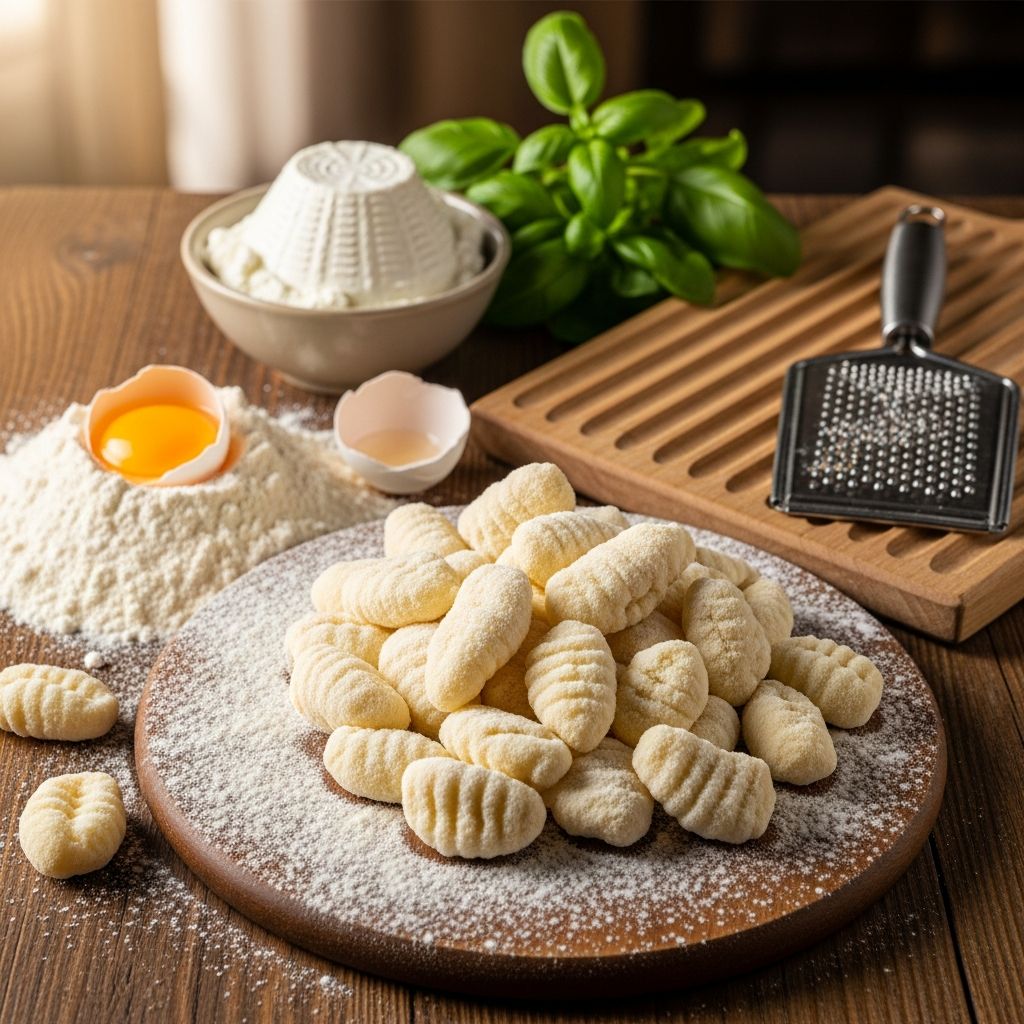
Creating ricotta gnocchi from scratch represents one of the most rewarding culinary projects for both experienced cooks and kitchen newcomers. Unlike traditional potato-based gnocchi that demand precise technique and careful starch management, ricotta-based varieties offer a more forgiving foundation that yields consistently tender, cloud-like results. This Italian delicacy has experienced a resurgence in modern cuisine as home cooks discover how accessible and satisfying the preparation process can be.
The beauty of ricotta gnocchi lies in its simplicity and adaptability. With just five core ingredients—ricotta cheese, eggs, flour, parmesan, and salt—you can produce restaurant-quality dumplings in your own kitchen. The ricotta base eliminates many of the complications associated with traditional gnocchi preparation, making it an excellent choice for anyone intimidated by pasta-making.
Understanding Ricotta as Your Foundation
Ricotta cheese serves as the cornerstone ingredient for this preparation, and understanding its characteristics ensures your success. This whey-based cheese contains significant moisture content, which can pose challenges if not properly managed. Fresh ricotta typically contains more water than aged varieties, making it essential to remove excess liquid before incorporating it into your dough.
The moisture-removal process determines whether your gnocchi will be perfectly tender or unpleasantly soggy. Professional cooks recommend spreading ricotta across paper towels and allowing gravity and gentle pressure to draw out excess moisture. This preparatory step might seem minor, but it fundamentally affects the texture and structural integrity of your finished gnocchi. After draining, the ricotta should feel dense and compact rather than spreadable.
When selecting ricotta at the market, look for whole milk varieties rather than part-skim options. Whole milk ricotta contains more fat, which contributes to richer flavor and better binding properties. Some specialty stores offer ricotta made from goat’s milk, which imparts a subtle tanginess that pairs beautifully with light, herbaceous sauces.
Essential Ingredients and Their Roles
Each component in ricotta gnocchi serves a specific function in creating the perfect texture and flavor profile. Understanding these roles helps you make intelligent substitutions when necessary and troubleshoot any challenges that arise during preparation.
- Ricotta Cheese: Provides the primary structure and creates the signature light, pillowy texture that distinguishes ricotta gnocchi from heavier potato varieties.
- Eggs: Function as a binding agent, holding all ingredients together while also providing moisture that helps create the characteristic tender crumb.
- Flour: Absorbs excess moisture from the ricotta and eggs while providing just enough gluten development to hold the dumplings together during cooking.
- Parmesan Cheese: Adds umami depth, enhances browning, and contributes subtle crystalline texture that enriches the overall eating experience.
- Salt and Seasonings: Balance flavors and can include optional additions like lemon zest, fresh herbs, or spices depending on your intended sauce pairing.
The ratio of ingredients matters significantly. Too much flour creates dense, heavy gnocchi that lack the desired tender quality. Too little flour results in sticky dough that falls apart during cooking. The ideal dough should be slightly sticky to the touch but cohesive enough to shape and cut.
Step-by-Step Preparation Process
Successful ricotta gnocchi begins with proper preparation and organization. Gather all ingredients and equipment before starting, as the actual mixing and shaping process moves quickly once underway.
Moisture Management
Begin by placing your ricotta on a plate lined with paper towels. Spread it in an even layer, then place additional paper towels on top. Gently press down to encourage moisture release. Allow this to sit for 10-15 minutes, then repeat the pressing process if significant liquid has accumulated. This investment in preparation prevents waterlogged dough and ensures superior results.
Mixing the Dough
Transfer your drained ricotta to a large mixing bowl. Add your eggs and beat together gently until combined. This mixture should appear relatively uniform without being overworked. Add your grated parmesan cheese, salt, and any optional seasonings like lemon zest or fresh basil if desired.
Gradually incorporate your flour, folding gently rather than stirring vigorously. Over-mixing develops excess gluten, resulting in tough rather than tender gnocchi. The final dough should be slightly sticky but hold together when gathered. If it appears too wet, add additional flour one tablespoon at a time until the consistency improves.
Shaping Techniques
Dust your work surface generously with flour, then place approximately half to three-quarters cup of dough on the surface. Using floured hands, gently roll the mixture into a thick rope about six to eight inches long. The dough should be kept as light and pillowy as possible during this process—avoid pressing or compressing excessively.
Using a wet knife (dipping in water between cuts prevents sticking), slice the rope into bite-sized pieces approximately one-half to three-quarters inch long. Arrange finished pieces on a floured plate or board, ensuring they don’t touch. Continue this process until all dough has been shaped. At this point, gnocchi can be cooked immediately, refrigerated for a few hours, or frozen for longer storage.
Cooking Your Ricotta Gnocchi
Bringing your raw gnocchi to a perfect state of doneness requires attention to water temperature and timing. Unlike dried pasta that requires extended cooking, ricotta gnocchi cook remarkably quickly.
Fill a large pot with salted water and bring to a rolling boil. The salt should be sufficient that the water tastes pleasantly briny—this seasons the gnocchi as they cook. Working in small batches to prevent overcrowding, gently add gnocchi to the boiling water. They will initially sink to the bottom, then gradually float to the surface as they cook. Once gnocchi rise to the surface, allow them to cook for an additional 30-60 seconds to ensure the centers are fully heated through.
Remove cooked gnocchi with a slotted spoon and transfer to your serving vessel or sauce. The entire cooking process from water return to finish typically takes just 2-3 minutes per batch. This rapid cooking means you should have your sauce ready and waiting before the gnocchi enter the water.
Sauce Pairing Strategies
The delicate, subtle flavor of ricotta gnocchi pairs beautifully with a wide range of sauces. Simple preparations often highlight the gnocchi themselves better than heavily spiced options.
| Sauce Type | Flavor Profile | Best Occasions |
|---|---|---|
| Tomato-Based | Bright, acidic, herbaceous | Summer preparations, weeknight dinners |
| Herb and Butter | Delicate, aromatic, rich | Spring serving, showcasing gnocchi texture |
| Cream Sauces | Luxurious, smooth, decadent | Special occasions, winter entertaining |
| Brown Butter and Sage | Nutty, complex, traditional | Elegant presentations, authentic Italian |
A simple sauce of good quality olive oil infused with fresh garlic and red pepper flakes, finished with fresh basil or parsley, allows the gnocchi’s delicate texture to shine. Alternatively, prepare a basic tomato sauce by sautéing garlic in olive oil, adding canned whole peeled tomatoes, and simmering gently for 20-30 minutes until flavors meld. Season with salt, pepper, and fresh basil just before serving.
Storage and Make-Ahead Options
One significant advantage of ricotta gnocchi is their compatibility with advance preparation. Raw gnocchi maintain quality in the refrigerator for up to two days when stored on a floured plate covered with plastic wrap. For longer storage, arrange shaped gnocchi on a baking sheet and freeze until solid, then transfer to freezer bags for up to three months.
Cooking frozen gnocchi requires no thawing—simply add them directly to boiling water and cook for approximately one minute longer than fresh varieties. This flexibility makes ricotta gnocchi an excellent option for meal planning or entertaining, as you can complete much of the work days in advance.
Troubleshooting Common Issues
Even experienced cooks occasionally encounter challenges with ricotta gnocchi preparation. Understanding common problems and their solutions ensures consistent success.
- Gnocchi falling apart during cooking: This typically indicates insufficient binding, usually from either inadequate flour or excessive moisture. Ensure ricotta is well-drained and consider adding an extra tablespoon of flour to the mixture.
- Dense, heavy texture: Over-mixing or excessive flour incorporation creates tough results. Fold gently rather than stirring vigorously, and avoid adding flour beyond what’s necessary.
- Sticky dough that won’t hold shape: Your ricotta likely contains too much moisture. Allow additional draining time and gradually incorporate flour until the dough reaches proper consistency.
- Gnocchi sinking and remaining at the bottom: This occurs when water temperature drops after adding gnocchi. Ensure water returns to a rolling boil promptly and work in smaller batches if necessary to maintain temperature.
Flavor Variations and Creative Additions
While classic ricotta gnocchi showcase the ingredient in its purest form, numerous flavor variations expand the culinary possibilities. Fresh herbs like basil, sage, or thyme add aromatic complexity. Lemon zest brightens the overall flavor and pairs particularly well with lighter sauces. Finely minced garlic contributes savory depth, while a whisper of cayenne pepper adds subtle heat.
Some preparations incorporate finely chopped spinach into the ricotta base, creating a vibrant green variation that pairs beautifully with cream sauces. Others experiment with sun-dried tomato paste for subtle sweetness and acidity. The ricotta base is sufficiently neutral that it accommodates creative experimentation while maintaining the signature texture that defines the dish.
Serving Suggestions and Presentation
Present your ricotta gnocchi with attention to visual appeal and complementary flavors. A simple garnish of fresh basil, shaved parmesan, or toasted breadcrumbs adds textural interest and visual appeal. A drizzle of quality olive oil provides both richness and shine on the plate.
For special presentations, consider layering gnocchi with sauce in individual bowls or shallow dishes, creating defined sections of gnocchi, sauce, and garnishes. This approach showcases your effort and makes for an elegant presentation suitable for entertaining guests.
Understanding the Science Behind Success
Ricotta gnocchi succeed because the cheese base contains sufficient fat and moisture to create tender results without the precise starch calculations required for potato gnocchi. The eggs provide protein structure that holds ingredients together, while flour absorbs excess moisture and provides minimal gluten development—just enough for coherence without toughness. This combination creates an inherently forgiving preparation that tolerates slight variations in ingredient ratios or technique.
Frequently Asked Questions
Can I make ricotta gnocchi without eggs?
Traditional recipes rely on eggs for binding, but some cooks successfully substitute egg replacers or use cornstarch for additional binding capacity. Results may vary slightly in texture.
How far in advance can I prepare ricotta gnocchi?
Raw gnocchi keep refrigerated for 2-3 days or frozen for up to 3 months. Prepare them several days before cooking for ultimate convenience.
What flour works best for ricotta gnocchi?
All-purpose flour works reliably for most preparations. Gluten-free flour blends can substitute for those with dietary restrictions, though results may be slightly different in texture.
Can frozen ricotta gnocchi go directly into boiling water?
Yes, frozen gnocchi require no thawing. Add directly to boiling water and cook for 1-2 minutes longer than fresh varieties.
Why is my ricotta gnocchi watery?
Inadequate moisture removal from the ricotta is the primary cause. Allow additional draining time and press gently to remove excess liquid.
References
- Serious Eats Ricotta Gnocchi Recipe — Serious Eats. 2015. https://www.seriouseats.com/recipes/2015/01/fresh-ricotta-gnocchi-recipe.html
- Bon Appétit: How to Make the Best Kind of Gnocchi (It’s Ricotta) — Bon Appétit. https://www.bonappetit.com/
- Host the Toast: Foolproof Ricotta Gnocchi (Gnudi) — Host the Toast. https://hostthetoast.com/foolproof-ricotta-gnocchi-gnudi/
- Ann Ogden Gaffney: Ricotta Gnocchi – Healthy Recipe — Ann Ogden Gaffney. https://www.annogdengaffney.com/recipes/ricotta-gnocchi/
Similar Articles


Read full bio of medha deb