Mastering Homemade Blueberry Muffins
Learn to bake perfectly moist and fluffy blueberry muffins with expert techniques
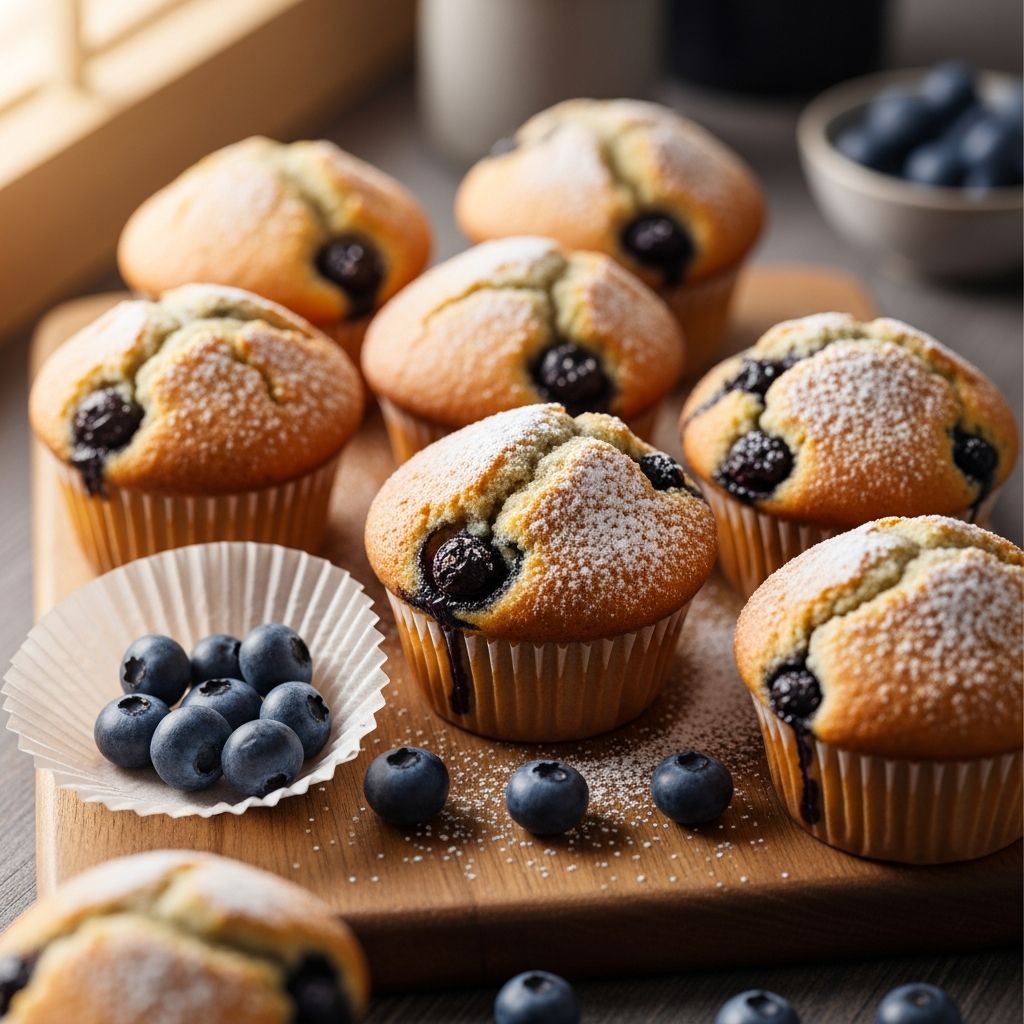
Mastering Homemade Blueberry Muffins: A Complete Baking Guide
Blueberry muffins represent one of the most beloved baked goods in home kitchens and professional bakeries alike. Their appeal lies in the perfect balance of tender crumb, bursts of tart-sweet fruit, and satisfying texture that makes them ideal for breakfast, snacks, or light desserts. However, achieving consistently excellent results requires understanding the fundamental principles of muffin baking, from ingredient selection through mixing techniques and oven management.
Understanding Muffin Chemistry and Structure
Successful muffin baking begins with comprehending how ingredients interact during the mixing and baking process. Muffins are quick breads that rely on chemical leavening agents rather than yeast fermentation, meaning their rise occurs primarily through the rapid expansion of gas bubbles created by baking soda and baking powder when exposed to heat. The crumb structure develops through the formation of gluten networks and the stabilization of air pockets by flour proteins and fat.
The fat content in muffins plays a critical role in texture development. Butter, oil, or a combination of both contributes to moistness while also inhibiting excessive gluten development, which would result in tough, dense muffins. The balance between structural ingredients and fat determines whether your finished muffins achieve that desirable tender crumb.
Liquid ingredients—typically milk, yogurt, or sour cream—hydrate the dry components and activate leavening agents. The type of liquid chosen influences both flavor and texture; for instance, Greek yogurt creates a richer, denser crumb compared to regular milk, while buttermilk adds subtle tang and tender structure through its acidic properties.
Essential Ingredients and Their Selection
Building a quality muffin recipe begins with choosing appropriate ingredients. Each component serves a specific function in the final product:
Flour and Dry Goods
All-purpose flour provides the structural foundation for muffins. When selecting flour, consider protein content, as this affects gluten development and final texture. Most all-purpose flours contain 10-12% protein, which is suitable for muffin baking. Some bakers incorporate a small portion of whole wheat flour to add depth of flavor and nutritional value, though this reduces overall moisture in the crumb.
Baking powder and baking soda work together as leavening agents. Baking powder, a combination of baking soda, acid, and starch, provides lift throughout mixing and baking. Baking soda requires acidic ingredients like buttermilk, yogurt, or lemon juice to activate. Using the correct ratio prevents unpleasant metallic flavors or insufficient rise.
Fats and Their Impact
Butter contributes rich flavor and creates a tender crumb structure. When using butter, ensure it’s at room temperature for creaming with sugar, which incorporates air and promotes even rise. Some recipes employ neutral oils like canola or vegetable oil, which create moister muffins with longer shelf life, though with slightly less pronounced butter flavor.
Sweeteners and Flavor Enhancers
Granulated sugar provides sweetness while also contributing to structure and browning through caramelization. Brown sugar adds moisture and subtle molasses undertones. Vanilla extract enhances overall flavor complexity, while salt amplifies sweetness and balances any bitterness from baking soda.
Fresh Blueberries and Their Preparation
The quality of blueberries directly impacts the finished muffin. Fresh, plump berries provide superior flavor compared to frozen varieties, though frozen blueberries work effectively if thawed and drained beforehand to prevent excess moisture. Tossing berries in a small amount of flour before folding them into batter helps prevent them from sinking to the bottom during baking, ensuring even distribution throughout the muffin.
Professional Mixing Techniques
The method employed when combining ingredients significantly influences muffin quality. Unlike cakes that benefit from thorough creaming and careful folding, muffins tolerate slightly different approaches depending on desired texture.
The traditional method begins by creaming butter and sugar together until light and fluffy, typically two to three minutes. This aeration creates numerous small air pockets that expand during baking, contributing to volume and tender crumb. Eggs are added gradually, allowing emulsification before dry ingredients are introduced.
Dry ingredients—flour, baking powder, baking soda, and salt—are whisked together to distribute leavening agents evenly. This prevents isolated pockets of baking soda or powder that would create unpleasant flavors. Liquid ingredients are combined separately before alternating with dry ingredients, beginning and ending with dry components. This method prevents overmixing while ensuring proper hydration and ingredient distribution.
Some contemporary recipes employ the muffin method, which combines all dry ingredients in one bowl while wet ingredients combine in another, then folding the wet into the dry with minimal stirring. This approach reduces gluten development, resulting in exceptionally tender muffins, though with slightly less volume than traditional methods.
Optimal Baking Temperatures and Times
Oven Temperature Considerations
Most blueberry muffins bake at 375-400°F (190-204°C). Higher temperatures create darker, more caramelized tops with tender interiors, while lower temperatures produce lighter tops with potentially gummier centers. Oven calibration matters considerably; many home ovens run hot or cool, affecting baking times and browning.
For best results, use an oven thermometer to verify actual temperature. Position the thermometer in the center rack where muffins will bake, checking it both before preheating and after the oven reaches temperature.
Baking Time and Doneness Indicators
Baking times typically range from 18-25 minutes, depending on muffin size and oven characteristics. Doneness is best determined by inserting a toothpick or thin skewer into a muffin center; it should emerge with just a few moist crumbs, not completely dry or wet with batter. Tops should be golden brown and spring back when gently pressed.
Remove muffins from the oven when they reach this stage rather than following precise time guidelines, as individual oven variations create significant differences in baking duration.
Troubleshooting Common Muffin Problems
Even experienced bakers encounter occasional issues. Understanding the causes helps prevent repetition:
- Dense, Heavy Crumb: Usually results from overmixing, excessive flour from improper measuring, or using old leavening agents. Mix only until ingredients combine, use a kitchen scale for accuracy, and replace baking powder and soda if older than six months.
- Dry Muffins: Often caused by overbaking, insufficient fat, or excessive flour. Verify oven temperature accuracy, ensure recipes include adequate butter or oil, and measure flour by weight when possible. Reduce baking time by one to two minutes if consistently experiencing dryness.
- Peaked or Domed Tops: Indicates overmixing of batter, which creates excessive gluten and traps too much carbon dioxide. Mix gently and only until ingredients barely combine. High oven temperatures can also cause peaked tops; reduce temperature by 25°F and increase baking time slightly.
- Sunken Centers: Results from underbaking, insufficient leavening, or too much liquid. Verify doneness before removing from oven, check that baking powder and soda are fresh, and ensure liquid measurements are precise.
- Blueberries Sinking to Bottom: Prevents proper fruit distribution throughout muffins. Coat berries lightly with flour before folding into batter, use frozen berries without thawing, or fold berries in during the final mixing moments.
Storage and Shelf Life Guidance
Properly stored muffins maintain quality for several days. Allow muffins to cool completely before storing to prevent condensation that causes sogginess. Room-temperature storage in an airtight container keeps muffins fresh for up to three days. For extended storage, freeze muffins in freezer bags for up to three months; thaw at room temperature before serving, or warm frozen muffins in a 350°F oven for five to eight minutes.
Creative Variations and Flavor Combinations
While classic blueberry muffins hold timeless appeal, numerous variations offer exciting opportunities for experimentation. Adding lemon zest brightens the berry flavor and creates sophisticated tartness. Substituting a portion of milk with Greek yogurt produces richer, more indulgent muffins with tangy undertones. A streusel topping of cinnamon, sugar, and butter creates textural contrast and appealing crunch.
Incorporating other berries—raspberries, blackberries, or a combination—creates interesting flavor profiles while maintaining structural integrity. Fresh ginger, cardamom, or almond extract provide aromatic complexity that complements blueberry sweetness beautifully.
Equipment and Tools for Success
Quality muffin baking relies on appropriate equipment. Standard muffin tins with cups measuring approximately 1/3 cup capacity work well for most recipes. Use muffin liners for easy removal and minimal cleanup, or grease cups thoroughly with butter or cooking spray. An ice cream scoop with a trigger mechanism ensures consistent sizing and even baking.
A kitchen scale provides superior accuracy compared to volume measurements, significantly improving consistency across batches. Measuring cups and spoons work adequately when a scale isn’t available, but technique matters—spoon flour into cups rather than scooping directly from the bag, and level measurements with a straight edge.
Frequently Asked Questions About Blueberry Muffins
Can I Substitute Frozen Blueberries for Fresh?
Yes, though with modifications. Thaw frozen blueberries and drain excess liquid before incorporating. Frozen berries contain more water than fresh varieties; draining prevents excessively moist batter. Some bakers skip thawing and add frozen berries directly to batter, though this may require extending bake time slightly.
What’s the Best Method for Preventing Dry Muffins?
Focus on avoiding overmixing, measuring flour accurately, and not overbaking. Incorporating an extra egg yolk or slight increase in fat content also promotes moisture retention. Room-temperature ingredients mix more smoothly, creating better emulsification and more tender crumb.
How Can I Make Muffins with Lower Sugar Content?
Reduce granulated sugar by up to one-quarter without significantly impacting structure, though this slightly decreases volume and browning. Increase blueberry quantity to compensate for lost sweetness. Avoid reducing sugar further, as it compromises structural integrity and browning.
Should I Use Unsalted or Salted Butter?
Unsalted butter provides better control over total salt content, allowing precise seasoning adjustments. If using salted butter, reduce added salt slightly to prevent over-salting.
What Temperature Should Ingredients Be?
Room-temperature ingredients mix more thoroughly and create better emulsification. Remove eggs, milk, and butter from refrigeration 30-60 minutes before baking, or place them in warm water for 5-10 minutes for quicker tempering.
Conclusion
Mastering blueberry muffins transforms simple ingredients into delightful baked goods through understanding ingredient chemistry, employing proper techniques, and learning from occasional mishaps. Whether you prefer classic recipes or creative variations, the fundamental principles remain constant: measure accurately, mix with restraint, monitor oven temperature, and bake only until doneness is achieved. With practice and attention to these details, consistently excellent muffins emerge from every batch, delighting breakfast tables and snack occasions throughout the year.
References
- Baking Science and Technology — American Society of Baking (ASB). 2023. https://www.asbaking.org
- The Role of Leavening Agents in Quick Breads — U.S. Department of Agriculture Food Safety and Inspection Service. 2022. https://www.fsis.usda.gov
- Gluten Development and Muffin Texture — Journal of Food Science and Technology, Vol. 58, pp. 3456-3468. 2021. https://link.springer.com/journal/13197
- Frozen Fruit Applications in Baked Goods — Institute of Food Technologists (IFT). 2024. https://www.ift.org
- Moisture Retention in Quick Breads: Formulation and Technique — Culinary Institute of America. 2023. https://www.ciachef.edu
Similar Articles





Read full bio of Sneha Tete