Homemade Apple Jelly: A Complete Guide to Making This Classic Preserve
Master the art of crafting crystal-clear apple jelly from fresh fruit with proven techniques and expert tips.
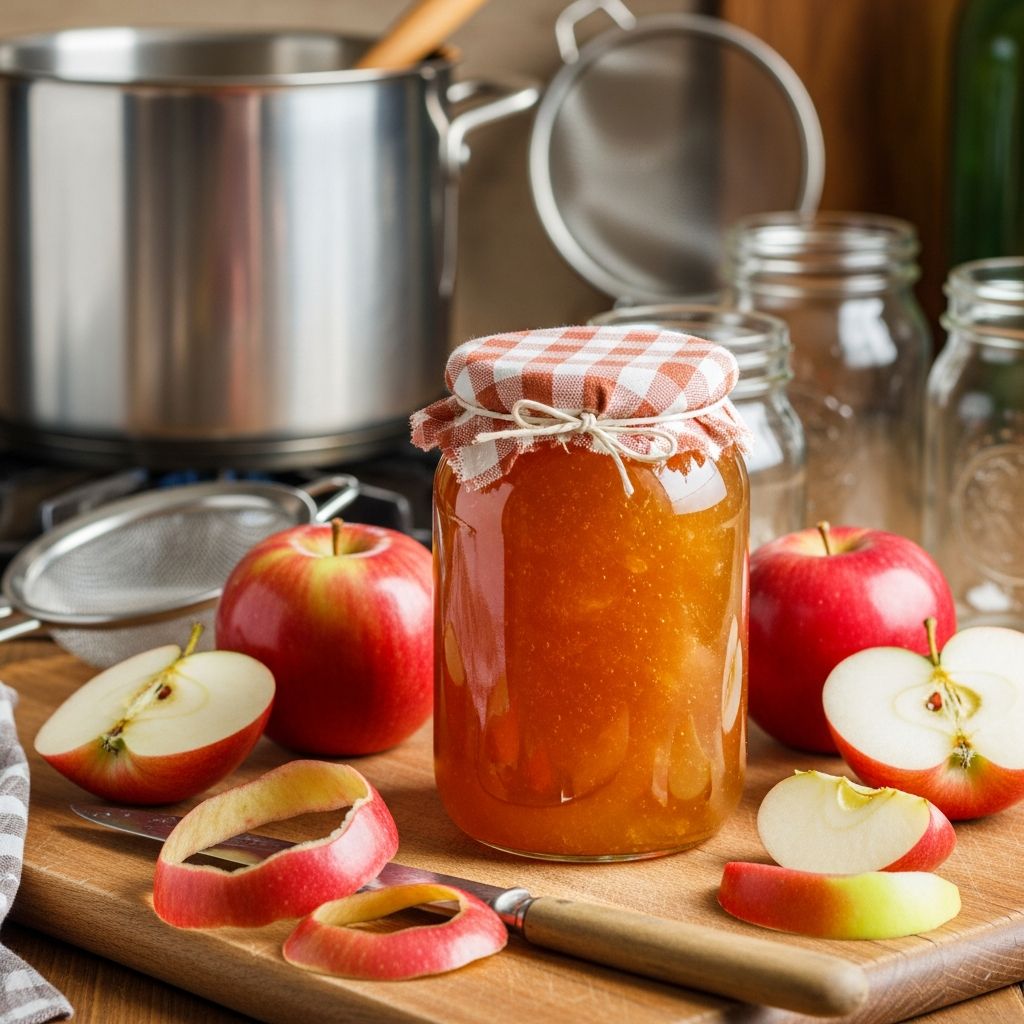
Creating apple jelly at home represents one of the most rewarding and accessible preserving projects for both novice and experienced home cooks. This transparent, jewel-toned spread captures the essence of fresh apples in a form that lasts for months and transforms everyday toast into something special. Unlike jam, which contains fruit pulp, jelly achieves its distinctive smooth, spreadable consistency through careful juice extraction and precise cooking techniques. The process demands patience and attention to detail, but the results justify every moment invested.
Understanding Apple Jelly and Its Appeal
Apple jelly occupies a unique place in the preserving world. It offers a pure, concentrated apple flavor without the texture of pulp, making it ideal for spreading on toast, biscuits, or pastries. The jewel-like clarity that distinguishes quality apple jelly comes from allowing juice to drip naturally through cheesecloth without pressing or squeezing the fruit. This restraint during straining represents one of the most important decisions in the entire process, directly affecting both appearance and clarity of the final product.
Beyond its culinary appeal, homemade apple jelly provides satisfaction that store-bought versions cannot match. The knowledge that you’ve transformed basic ingredients—apples, sugar, and time—into a preserved delicacy creates a sense of accomplishment. Additionally, homemade jelly contains no artificial preservatives, additives, or excessive processing, offering a genuine alternative to commercial products.
Selecting the Right Apples for Optimal Results
The foundation of excellent apple jelly begins with thoughtful apple selection. Different apple varieties contribute different characteristics to the finished product. Tart apples like Granny Smith, Pink Lady, or other cooking varieties work better than sweet eating apples because they contain higher natural pectin levels and provide brighter flavor that comes through in the final jelly.
The ideal approach combines both underripe and fully ripe apples. Underripe apples contain more natural pectin, which enables proper setting without additional thickening agents. Fully ripe apples contribute sweeter notes and more developed flavor. A ratio of roughly one-quarter underripe to three-quarters ripe apples achieves balanced results. Avoid overripe apples entirely, as they lack sufficient pectin and produce juice that fails to gel properly.
Preparation begins with thorough washing to remove any dirt or debris. Unlike making applesauce or apple butter, jelly preparation requires keeping the apple cores and seeds intact. These components contain concentrated pectin that directly contributes to the gel formation process. Remove only the stem and blossom ends before cutting apples into manageable chunks.
The Juice Extraction Process: Where Clarity Begins
Juice extraction represents the first critical stage of jelly making. The method you employ directly affects the final jelly’s appearance, clarity, and flavor intensity. Begin by placing cut apples (including cores and seeds) into a large pot and adding fresh water. The ratio typically involves approximately 3 cups of water per 3 pounds of apples, though exact measurements can vary based on apple size and water content.
Bring the mixture to a boil, then reduce heat and simmer gently. This step should take 20 to 30 minutes, with the apples cooking until completely softened and their juice fully released into the water. The low, steady heat preserves natural pectin, which excessive temperatures can damage. Some recipes suggest keeping the pot partially covered during this phase to balance evaporation with liquid retention.
Once the apples have fully softened, the straining phase begins. Set up your straining station by placing a jelly bag, fine-mesh colander, or bowl lined with multiple layers of damp cheesecloth over a clean, deep bowl. Carefully ladle the cooked apples and all their cooking liquid into this setup. This step requires patience—allow the juice to drip naturally through the cloth for several hours or preferably overnight. Resist the urge to squeeze or press the cloth, as this forces pulp through and clouds your jelly, reducing its appealing transparency.
The yield from this process typically produces about 4 cups of juice from 3 pounds of apples, though this varies with apple variety and water content. Measure the final juice quantity precisely before proceeding to cooking, as the sugar ratio depends directly on this measurement.
Essential Ingredients and Flavor Considerations
Apple jelly requires surprisingly few ingredients for its elegant simplicity. The core components include strained apple juice, granulated sugar, and lemon juice. Some recipes incorporate optional additions like brandy, Calvados, or spices to create variations on the classic theme.
Sugar serves multiple purposes: it sweetens the preserve, enables gel formation through interaction with pectin, and acts as a preservative that extends shelf life. The traditional ratio uses equal weights of sugar and apple juice, though some cooks adjust this downward slightly for a less sweet result. The choice depends on personal preference and the tartness of your apples.
Lemon juice performs two essential functions. Its acid content affects gel formation and prevents crystallization during storage. Additionally, lemon juice brightens the apple flavor, making the finished jelly taste more vibrant and fresh. Approximately 2 tablespoons of fresh or bottled lemon juice per 4 cups of apple juice provides proper balance.
Optional flavor additions open creative possibilities. Some cooks add a small amount of brandy or Calvados at the end of cooking for a sophisticated touch. Spiced variations incorporate cinnamon, nutmeg, and cloves at the juice-cooking stage, infusing these warm flavors throughout. When using spices, add them early so their flavors fully develop and integrate with the apples.
Cooking and Gel Formation: The Critical Phase
Pour the measured apple juice into a large, heavy-bottomed pot, preferably non-reactive (stainless steel works well). Add the sugar and lemon juice, stirring until the sugar dissolves. The use of a candy or jelly thermometer becomes essential at this point—investment in a reliable thermometer dramatically increases success rates.
Bring the mixture to a rolling boil over medium-high heat, stirring occasionally. The goal is reaching 220°F (104°C), which represents 8 degrees Fahrenheit above the standard boiling point of water. At this temperature, the proper balance of pectin, sugar, and acid creates the gel structure that defines good jelly. The temperature indicates when sufficient water has evaporated and the juice has concentrated adequately.
During cooking, white foam forms on the surface as the jelly cooks. Gently skim this foam away with a ladle, discarding it. This foam consists of impurities and denatured proteins; removing it contributes to the clarity and refined appearance of the finished jelly.
The cooking duration typically ranges from 15 to 25 minutes, depending on the starting volume of juice and the vigor of your boil. Avoid rushing this process by using extremely high heat, as aggressive boiling can break down pectin and prevent proper gel formation.
Testing for Proper Gel Stage Without Guessing
Determining when your jelly reaches the proper gel stage requires multiple confirmation methods. Relying solely on temperature creates risk, so experienced jelly makers employ several techniques simultaneously.
The thermometer test provides objective data: 220°F indicates proper gel formation under standard atmospheric conditions. However, altitude affects boiling point, so those in high-elevation areas should adjust their target temperature accordingly.
The spoon test offers a tactile confirmation. Remove a spoonful of hot jelly and let it cool slightly on a metal spoon held above the pot. Tilt the spoon so the jelly naturally drips off the edge. Properly gelled jelly forms a sheet that breaks cleanly, hanging momentarily before dropping. Liquid juice flows off smoothly without this sheet formation, indicating more cooking is needed.
The plate test provides perhaps the most reliable feedback. Place a small dish in your freezer before beginning to cook. When you suspect gel stage has been reached, drop a small amount of hot jelly onto this cold plate. Wait briefly for it to cool, then push it gently with your finger. If the surface wrinkles and the jelly doesn’t run back together, gel stage has been achieved. If it flows freely, continue cooking and retest after several more minutes.
Using all three methods together—thermometer, spoon, and plate tests—virtually guarantees success and builds confidence in your jelly-making abilities.
Handling Pectin: Natural Versus Added
Apple jelly can be made successfully with only natural pectin present in apples, or with the addition of commercial pectin products. Each approach offers distinct advantages and appeals to different cooks.
Natural pectin methods rely on careful apple selection and juice extraction, requiring longer cooking times but offering deeper, less diluted apple flavor. This traditional approach demands more time and attention but produces results many cooks find superior.
Commercial pectin products, such as Sure-Jell or Mrs. Wages, accelerate gel formation and reduce cooking time significantly. These products enable jelly making with apples that might otherwise lack sufficient pectin. When using commercial pectin, follow package directions precisely regarding timing and quantities, as these products operate differently from natural pectin and require specific procedures for success.
First-time jelly makers might find commercial pectin less intimidating, while experienced preservers often prefer the natural pectin route for its purity and traditional methods.
Canning and Preservation for Long-Term Storage
Once your jelly reaches proper gel stage, the canning process preserves your work for months or longer. Prepare sterilized jars according to your canning equipment manufacturer’s instructions, keeping them hot until filling. Always use new lids, never reusing previously sealed ones.
Working quickly while jelly remains hot, remove from heat and skim any remaining foam from the surface. Pour the jelly into hot jars, leaving approximately ¼ inch headspace at the top. Wipe jar rims with a damp clean cloth to remove any drips or residue that might interfere with sealing. Immediately apply the two-piece metal lids according to manufacturer’s directions, then place jars in your boiling water canner.
Process jars for the time specified by your local extension service—typically around 5 minutes for half-pint jars at sea level, adjusting for altitude as needed. After processing, remove jars and allow them to cool completely at room temperature. You’ll hear the characteristic popping sound as each jar seals, indicating successful processing.
Troubleshooting Common Jelly-Making Challenges
| Problem | Likely Cause | Solution |
|---|---|---|
| Jelly won’t gel | Insufficient pectin or temperature too low | Cook longer, reaching 220°F; use underriper apples next time |
| Jelly is cloudy | Juice pressed through cloth during straining | Let juice drip naturally; don’t press fruit next time |
| Jelly is too soft | Insufficient cooking or too much sugar | Cook to higher temperature; adjust sugar ratio downward |
| Jelly is too stiff | Overcooked or excessive sugar | Use less sugar or reduce cooking time slightly |
| Crystallization develops | Inadequate lemon juice or sugar recrystallization | Increase lemon juice; store in cool, stable temperature |
Creative Variations to Explore
Once you’ve mastered basic apple jelly, countless variations invite experimentation. Spiced apple jelly incorporating cinnamon, nutmeg, and cloves creates a warm, autumn-inspired preserve perfect for breakfast or entertaining. This variation maintains the core process while adding aromatic complexity.
Apple-herb jellies combine apple juice with fresh or dried herbs like thyme, rosemary, or mint, creating sophisticated condiments for cheese boards and meat dishes. These variations transform jelly into a savory-sweet accompaniment with restaurant-quality appeal.
Layered jellies using different colored apple varieties or combining apple jelly with other fruit juices produce stunning visual presentations. The canning process accommodates these creative approaches without requiring technique modifications.
Frequently Asked Questions About Apple Jelly Making
How long does homemade apple jelly last?
Properly canned and sealed apple jelly lasts one year or longer when stored in a cool, dark place. Unopened jars maintain quality for extended periods. Once opened, refrigerate and use within 3-4 weeks.
Can I make apple jelly without a candy thermometer?
Yes, though a thermometer removes guesswork. Use the plate and spoon tests exclusively, testing frequently as you approach the expected gel stage. These traditional methods work reliably when employed carefully.
What can I do with leftover apple pulp after straining?
The strained apple solids can become apple butter, applesauce, or animal feed. Composting represents another responsible option. Some cooks reduce this pulp with sugar to create a secondary preserve.
Do I need special equipment to make apple jelly?
Basic kitchen equipment suffices: a large pot, cheesecloth or jelly bag, bowls, a thermometer, and canning jars with lids. A candy thermometer and jelly bag simplify the process but aren’t absolutely essential.
Why is my jelly weeping or separating?
Weeping (liquid separating from gel) often results from overcooking or excessive movement of the jars immediately after processing. Store jars undisturbed for 24 hours after processing to allow proper gel formation.
Storing and Serving Your Homemade Jelly
Store sealed jars in a cool, dark pantry or cupboard away from direct sunlight. Excessive light causes color fading over time. Temperature stability matters more than cold; avoid locations subject to temperature fluctuations or heat exposure.
Once opened, refrigerate jelly and use within several weeks. The high sugar content extends life beyond typical food products, but quality gradually declines. Mold growth on opened jars indicates spoilage and requires discarding the entire contents.
Serve apple jelly on toast, biscuits, scones, or English muffins. It pairs beautifully with aged cheeses on charcuterie boards, enhances roasted meats and poultry, and swirls elegantly into yogurt or oatmeal. Creative cooks use apple jelly as a glaze ingredient or cocktail sweetener, discovering new applications beyond traditional breakfast use.
References
- Apple Jelly Recipe — David Lebovitz. Accessed April 2026. https://www.davidlebovitz.com/apple-jelly-jam-recipe/
- Apple Jelly Recipe — Mrs. Wages. Accessed April 2026. https://www.mrswages.com/recipes/apple-jelly/
- Spiced Apple Jelly Recipe (No Added Pectin) — Grow a Good Life. Accessed April 2026. https://growagoodlife.com/spiced-apple-jelly/
- SURE.JELL Apple or Crab Apple Jelly — Kraft Heinz. Accessed April 2026. https://www.kraftheinz.com/sure-jell/recipes/512922-sure-jell-apple-or-crab-apple-jelly
- Apple Jelly Recipe — Masala Herb. Accessed April 2026. https://www.masalaherb.com/apple-jelly-recipe/
- Apple Jelly without Pectin — National Center for Home Food Preservation, University of Georgia. Updated 2023. https://nchfp.uga.edu/how/make-jam-jelly/jellies/apple-jelly-without-pectin/
Similar Articles




Read full bio of medha deb