Crafting Restaurant-Quality Alfredo at Home
Master the art of making silky, restaurant-quality Alfredo sauce in your own kitchen
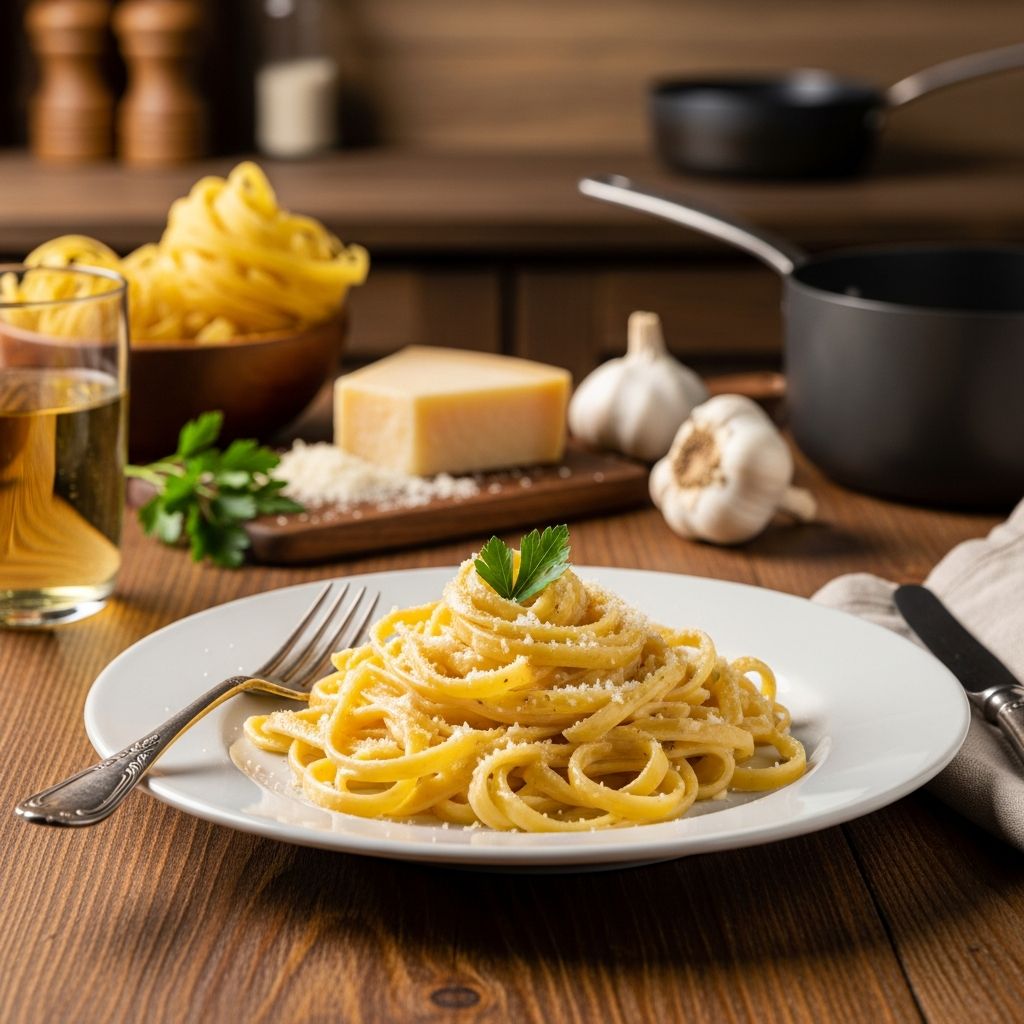
There is something undeniably appealing about a plate of pasta draped in luxurious, velvety sauce that clings to each strand. Alfredo sauce represents one of the most elegant yet surprisingly accessible dishes you can prepare in your own kitchen. What appears to be a complicated culinary creation actually relies on fundamental cooking principles and just a handful of quality ingredients. Understanding these basics transforms you from someone who follows instructions into someone who truly understands the cooking process.
Understanding Alfredo Sauce Fundamentals
The foundation of authentic Alfredo sauce rests on three primary components: butter, cream, and Parmesan cheese. This triumvirate of ingredients, when combined through proper technique, creates a sauce that is rich, sophisticated, and deeply satisfying. The magic lies not in exotic additions but in how these simple elements interact with one another during the cooking process.
Alfredo sauce belongs to the category of emulsion-based sauces, where fat molecules are suspended throughout a liquid medium to create a unified, smooth texture. This scientific understanding is crucial because it explains why temperature control and ingredient selection matter so significantly. When you recognize what’s happening at a molecular level, you gain the confidence to make adjustments and troubleshoot problems that arise.
The modern version of fettuccine Alfredo was created by chef Alfredo Di Lelio in Rome, establishing a culinary foundation that has spread worldwide and inspired countless variations. Yet the principle remains consistent: create a silky emulsion that coats pasta evenly while maintaining its delicate texture.
Selecting and Preparing Your Ingredients
The quality of your finished sauce depends almost entirely on the ingredients you choose to use. Since Alfredo contains so few components, each one plays a starring role, and there is nowhere to hide inferior products.
Butter Selection and Usage
Choose unsalted butter so you maintain complete control over the final seasoning of your sauce. Unsalted butter typically contains around 15-17% water and 80-82% fat, with the remainder consisting of milk solids. These milk solids play an important role in creating flavor and helping to stabilize your emulsion. When melting butter, use medium or low heat to prevent the water content from evaporating too rapidly, which can cause the emulsion to break. The butter should melt completely and become foamy but should never turn brown.
Heavy Cream Characteristics
Heavy cream, which contains at least 36% milk fat, serves as the primary vehicle for your sauce. The high fat content is what allows the sauce to become thick and luxurious without requiring any thickening agents like flour or cornstarch. Ensure your cream is fresh and has not been ultra-pasteurized if possible, as ultra-pasteurization can sometimes interfere with proper emulsification. The cream should be brought to a gentle simmer, which helps it thicken slightly and prepares it for cheese incorporation.
Parmesan Cheese Preparation
This is where many home cooks stumble. Pre-shredded Parmesan cheese from containers contains anti-caking agents and cellulose that prevent proper melting and create a grainy texture in your finished sauce. Instead, purchase a wedge of Parmigiano-Reggiano and grate it finely using a microplane or box grater just before use. The freshly grated cheese melts smoothly and incorporates evenly throughout the sauce, creating that signature silky texture that distinguishes restaurant-quality Alfredo from mediocre versions.
Step-by-Step Cooking Method
The cooking process requires attention and presence. This is not a sauce you can prepare while simultaneously attending to other tasks.
Initial Butter and Garlic Foundation
Begin by melting your butter over medium heat in a heavy-bottomed saucepan. Add minced or finely grated garlic and cook gently, stirring frequently, until the garlic becomes fragrant but does not brown. This typically requires 2-3 minutes of cooking time. The goal is to extract garlic’s flavor essence into the butter without allowing any browning, which would create bitter notes. Some cooks prefer to infuse whole garlic cloves into the butter and then remove them before proceeding, which ensures pure garlic flavor without any solid pieces.
Cream Integration and Simmering
Pour in your heavy cream while stirring constantly to combine it with the butter and garlic mixture. This combines the fat-based element (butter) with the cream-based element (heavy cream), beginning the emulsification process. Bring the mixture to a simmer over medium heat, then reduce the heat to low and maintain a gentle simmer. Cook for approximately 3-10 minutes, stirring occasionally. During this time, the cream will begin to thicken slightly as some of the water content reduces, and the sauce becomes more concentrated.
Cheese Incorporation and Final Texture
Remove the saucepan from direct heat before adding your cheese. This is critical because high heat can cause the proteins in the cheese to seize up and create a grainy texture. Add the finely grated Parmesan gradually while whisking constantly. The constant whisking ensures even distribution and prevents clumping. The cheese should melt smoothly into the cream and butter mixture, creating a silky, cohesive sauce. If you notice any graininess developing, reduce the heat further or remove the pan from heat entirely and continue whisking until smooth.
Flavor Enhancements and Variations
While traditional Alfredo maintains simplicity, various enhancements can elevate your creation:
- Seasonings: Beyond salt, consider adding freshly cracked black pepper, Italian seasoning, or a whisper of freshly grated nutmeg. These additions complement rather than overshadow the primary flavors.
- Broth Addition: Some preparations incorporate chicken or vegetable broth, which lightens the sauce slightly while maintaining creaminess and adding depth of flavor.
- Fresh Herbs: Finely chopped fresh parsley added at the end provides color and a fresh herbal note that contrasts beautifully with the richness.
- Protein Integration: Cooked chicken, pancetta, or shrimp can be folded into the finished sauce, creating more substantial dishes.
Common Challenges and Solutions
| Problem | Cause | Solution |
|---|---|---|
| Grainy or lumpy texture | Cheese added at too high temperature or pre-shredded cheese with additives used | Remove from heat before adding cheese; use freshly grated Parmigiano-Reggiano; whisk constantly |
| Sauce too thin | Insufficient cooking time or too much liquid | Continue simmering longer; reduce cream amount for future batches |
| Sauce breaks or separates | Temperature too high causing emulsion to fail | Lower heat immediately; whisk vigorously; add splash of cool cream if necessary |
| Flat or one-dimensional flavor | Under-seasoned or insufficient garlic | Taste and adjust salt; use more fresh garlic in future preparations |
Pairing and Serving Recommendations
Alfredo sauce pairs beautifully with fettuccine, the traditional pasta choice, but also works wonderfully with pappardelle, linguine, or even filled pastas like ravioli. The sauce clings beautifully to ribboned pastas and pools elegantly in pasta shapes with cavities or folds.
Serve the sauce immediately after completion, as it begins to thicken further as it cools. Toss hot pasta directly into the sauce, ensuring every strand receives adequate coating. If serving guests, portion the pasta into warm bowls and top with additional freshly grated Parmesan cheese and cracked black pepper. A simple green salad with acidic vinaigrette provides excellent balance to the richness of the dish.
Storage and Make-Ahead Strategies
Fresh Alfredo sauce is best served immediately, but you can prepare it several hours ahead and reheat gently. Store in an airtight container in the refrigerator for up to three days. To reheat, place the sauce in a saucepan over low heat, stirring frequently and adding a splash of cream or pasta water if it has become too thick. Do not boil the sauce, as high heat can break the emulsion.
You can also freeze Alfredo sauce for up to two months, though texture may become slightly grainier upon thawing. For best results, thaw in the refrigerator overnight and reheat gently with additional cream stirred in.
Professional Tips for Excellence
Save some pasta cooking water before draining your noodles. This starchy liquid serves as an excellent sauce thinner if your Alfredo becomes too concentrated during cooking. A tablespoon or two stirred in at a time restores the desired consistency while adding body to the sauce.
Taste your sauce multiple times during preparation, adjusting seasonings as needed. Salt is particularly important because it enhances the perception of creaminess and brings all flavors into sharper focus. Add salt gradually, as you can always add more but cannot remove it once incorporated.
Invest in quality equipment: a heavy-bottomed saucepan distributes heat evenly and prevents hot spots that can break your emulsion. A whisk rather than a spoon ensures proper incorporation of ingredients and breaks up any clumps as cheese melts.
Frequently Asked Questions
Can I make Alfredo sauce without heavy cream?
Traditional Alfredo requires heavy cream for its signature richness and texture. Half-and-half contains less fat and will produce a thinner sauce. While some recipes use whole milk or cream alternatives, the result differs significantly from authentic Alfredo.
Is Alfredo sauce actually Italian?
Modern Alfredo sauce, as prepared worldwide, was created in Rome by chef Alfredo Di Lelio. However, variations exist, and some Italian preparations differ from the American interpretation, which typically contains more cream than original Roman versions.
How can I make this sauce lighter?
Incorporate broth to reduce overall fat content while maintaining body. Use less butter and more cream or broth relative to cheese. However, recognize that reducing fat will diminish the characteristic richness that defines Alfredo sauce.
Why did my cheese turn grainy?
Excessive heat causes cheese proteins to seize and clump, creating graininess. Pre-shredded cheese with anti-caking agents also contributes to this problem. Remove the pan from heat before adding cheese and whisk constantly for smooth incorporation.
Can I prepare this ahead of time?
You can refrigerate Alfredo sauce for up to three days in an airtight container. Reheat gently over low heat with additional cream stirred in to restore proper consistency. Avoid boiling, which breaks the emulsion.
References
- Best Homemade Alfredo Sauce Recipe — Delish. Retrieved April 2026. https://www.delish.com/cooking/recipe-ideas/a43353119/alfredo-sauce-recipe/
- Best Homemade Alfredo Sauce — The Salty Marshmallow. Retrieved April 2026. https://thesaltymarshmallow.com/best-homemade-alfredo-sauce/
- The Best Alfredo Sauce — Pinch of Yum. Retrieved April 2026. https://pinchofyum.com/homemade-alfredo-sauce
- Alfredo Sauce Dinner Ideas — Betty Crocker. Retrieved April 2026. https://www.bettycrocker.com/menus-holidays-parties/mhplibrary/everyday-meals/recipes-with-alfredo-sauce
Similar Articles






Read full bio of Sneha Tete