Complete Guide to Selecting and Ripening Pears
Master the art of choosing quality pears and ripening them to perfection for optimal flavor.
Understanding the Pear Selection Challenge
Selecting pears presents a unique challenge that many shoppers face when browsing the produce section. Unlike some fruits that reach peak ripeness before arriving at retail locations, pears follow a different trajectory. The fundamental misunderstanding most consumers have involves expecting to purchase fully ripe pears ready for immediate consumption. In reality, this approach often leads to disappointment, as pre-ripened pears tend to develop an undesirable mealy texture and lose their delicate flavor profile.
The key to pear enjoyment lies in understanding that these fruits require patience and planning. When you bring home a pear from the grocery store or farmers’ market, you’re typically acquiring fruit that needs additional time to develop its full sweetness and tender texture. This requires a shift in mindset from the typical approach to purchasing other fruits.
Visual Indicators and Color Assessment
Identifying promising pears begins with careful visual inspection at the point of purchase. Color serves as one of several important indicators, though its reliability varies depending on the specific variety you’re considering.
Standard Green Varieties
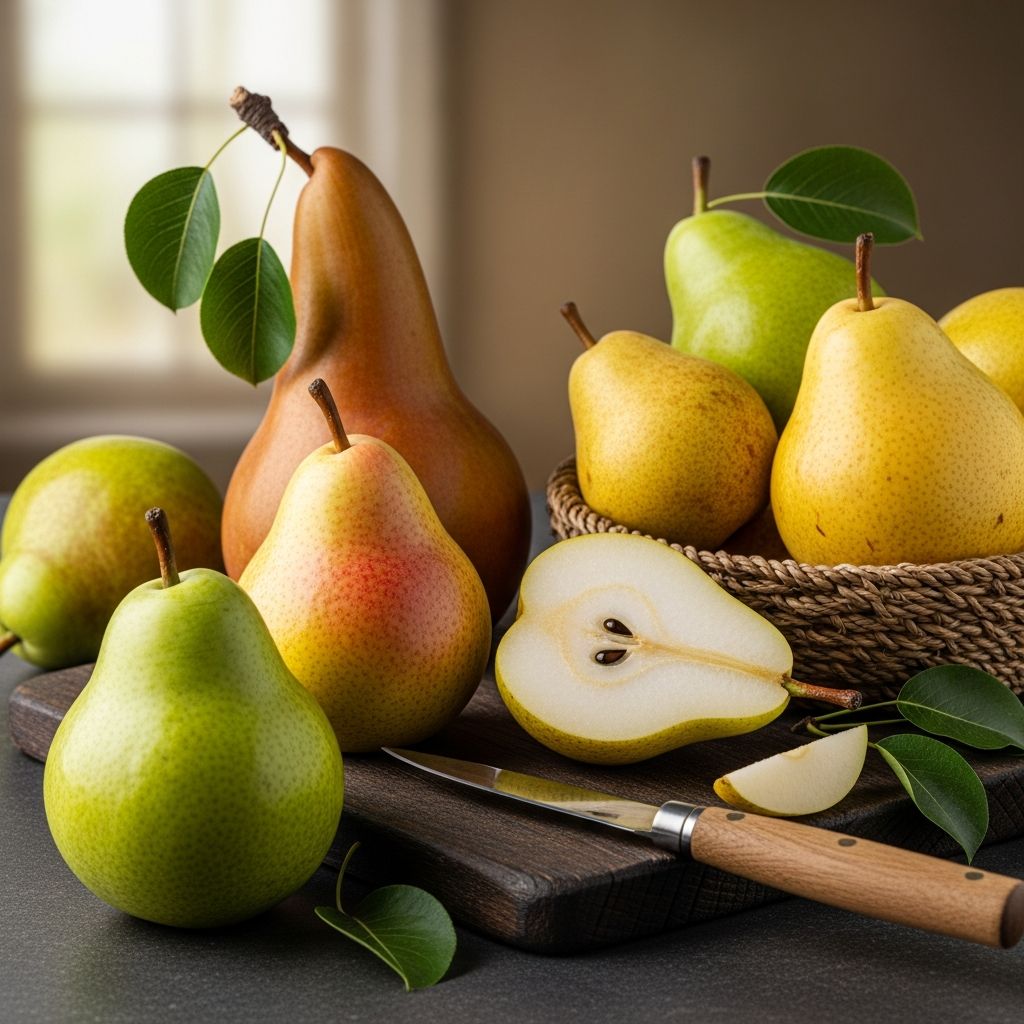
The majority of pears found in supermarkets display green coloring. However, not all green pears are created equal. Look for fruit transitioning from pure green toward yellower or golden undertones, as this shift signals that the pear will soon be ready for consumption and will deliver more complex flavors when ripe. This color progression represents a reliable indicator of maturity potential.
Brown and Red Varieties
Darker pear varieties require different visual assessment strategies. For Bosc pears, which display brownish skin, observe the undertone shifting from green toward more yellow hues. Similarly, red Bartlett pears transition from darker red coloring to brighter, more garnet-like shades as they approach ripeness. These subtle color changes can guide your selection process significantly.
Limited Color Reliability
It’s important to note that many common pear varieties—particularly green Anjou pears stored throughout the year—don’t exhibit significant color changes during ripening. This reality necessitates relying on additional selection methods beyond visual assessment alone.
Physical Condition Assessment
Beyond color, the physical condition of the pear provides crucial information about its current state and future potential.
Defects to Avoid
Inspect each pear carefully for the following issues:
- Cuts or indentations in the skin
- Dark spots or areas of discoloration
- Mushy patches indicating deterioration
- Bruising that suggests rough handling or overripeness
These defects suggest either mishandling, disease, or advanced deterioration. However, light browning on a pear’s thin skin isn’t necessarily problematic and doesn’t indicate inferior quality.
Texture Considerations
The firmness level at purchase time matters significantly. Select pears that feel firm throughout, as they’ll ripen more predictably and maintain better texture quality during the ripening process. Pears already exhibiting soft flesh at the store are likely overripe and at risk of developing mealy textures or falling apart.
The Critical Neck Check Technique
Professional produce evaluators and experienced shoppers rely on a specific method called the “neck check” to assess ripeness potential. This simple technique has become the gold standard for pear evaluation.
Hold the pear gently in your hand and apply light thumb pressure near the stem area at the fruit’s top. A truly unripe pear will feel completely firm with no give whatsoever. As pears ripen, this region begins to soften slightly. When you detect gentle give—not mushy softness, but a slight yield—the pear is approaching optimal ripeness.
This tactile evaluation method works reliably across most pear varieties and doesn’t depend on color changes that many varieties don’t exhibit. The neck represents the last area to ripen on a pear, making it the most accurate indicator of overall readiness.
Understanding Pear Variety Categories
Different pear varieties follow distinct ripening patterns, which affects both your selection strategy and storage approach.
| Pear Category | Examples | Harvest Timing | Storage Method |
|---|---|---|---|
| European Fall Pears | Bartlett, Clap Favorite, Orca | Pick when ripe | Ripen quickly at room temperature |
| European Winter Pears | Bosc, Comice, Highland | Pick before full ripeness | Store in cool, dark location first |
| Asian Pears | Crispy varieties | Pick when ripe | Refrigerate until eating |
European Fall Varieties
These pears can be enjoyed relatively quickly after purchase. They ripen rapidly at room temperature and should display a tight, springy surface feel when ripe. These varieties pull easily from the tree when ready, and store-purchased specimens often need just a few days on your counter.
European Winter Varieties
Winter pears require more patience. These varieties should be purchased before achieving full ripeness and stored in a cool, dark location within your home. This storage strategy allows them to mature while remaining protected from bugs, weather damage, and other environmental concerns. Winter pears also maintain freshness longer, reducing the pressure to consume them immediately.
Asian Pears
Asian pears represent a distinct category with characteristics differing significantly from European varieties. These apple-shaped fruits offer crunchier, juicier textures and should be enjoyed while still firm rather than soft. They also resist softening during cooking, unlike traditional pears.
Home Ripening Strategies
Once you’ve selected promising pears and brought them home, the ripening phase begins. Success depends on understanding the variables you can control.
Room Temperature Ripening
The standard approach involves placing pears on your kitchen counter at room temperature. This natural process typically requires three to four days, though the exact timeline depends on the initial ripeness level and ambient temperature. Patience during this phase pays dividends in flavor development.
Accelerated Ripening with Paper Bags
If you need pears to ripen more quickly, place them in a paper bag. The bag traps ethylene gas that pears naturally emit, accelerating the ripening process. This method can reduce the timeline from several days to just one or two days, depending on initial conditions.
Rapid Ripening Technique
To speed up ripening even further, add a banana or apple to the paper bag along with your pears. These fruits emit additional ethylene gas, which significantly accelerates pear maturation. This approach works effectively when you’re in a time crunch or need ripe pears within a day or two.
Refrigeration for Ready Pears
Once pears reach optimal ripeness, refrigeration halts the ripening process and preserves them at peak quality for several additional days. This strategy proves helpful if you’ve ripened pears but aren’t quite ready to consume them immediately.
Cooking Applications and Ripeness Levels
The ripeness level you select depends significantly on how you plan to use your pears. Different culinary applications benefit from different texture profiles.
Raw Consumption
For eating pears fresh, aim for that optimal soft-ripe texture where gentle neck pressure yields to slight give. This texture offers the best balance of tender flesh and full flavor development, creating the most enjoyable eating experience.
Cooking Applications
When planning to cook with pears—whether poaching, baking, or incorporating into sauces—you can use firm-ripe pears rather than fully soft ones. Heat softens the flesh during cooking, so starting with firmer fruit prevents mushiness. This approach works well for desserts, compotes, and savory dishes.
Pear Preservation
Overripe or very soft pears work beautifully for making pear butter and other preserves, where texture matters less than flavor. However, extremely soft or bruised fruit should be avoided, as these specimens may deteriorate rapidly or have already begun degrading.
Seasonal Availability and Regional Considerations
Understanding when pears are harvested helps inform your shopping decisions and expectations. Pears are typically picked between August and September in southern U.S. states, with northern regions harvesting between September and October. This seasonal variation affects what you’ll find in stores at different times of year.
Primary pear-growing regions include California, Michigan, Pennsylvania, New York, Oregon, and Washington, with smaller farms distributed throughout the country. Many pears you purchase during winter months have been stored since the previous fall harvest, which affects their current condition and ripening timeline.
Common Mistakes to Avoid
Several misconceptions can undermine your pear-buying success:
- Purchasing already-soft pears: This common mistake results in mealy texture and poor flavor development
- Expecting immediate ripeness: Pears require patience; planning ahead prevents disappointment
- Ignoring the neck check: Relying solely on color misses the most reliable ripeness indicator
- Storing at room temperature too long: Overripe pears deteriorate rapidly; use refrigeration to preserve peak pears
- Neglecting variety differences: Different types follow different ripening patterns and usage recommendations
Frequently Asked Questions
How long do pears take to ripen at room temperature?
Typically three to four days, though this varies based on initial ripeness and room temperature. Using a paper bag can reduce this to one to two days.
Can you ripen pears in the refrigerator?
Refrigeration slows ripening rather than accelerating it. Use the fridge to preserve already-ripe pears, not to ripen unripe ones.
Why do some pears taste mealy?
Mealy texture typically results from purchasing already-overripe pears or allowing properly ripened pears to deteriorate further. Starting with firm pears prevents this issue.
Are all pears green when unripe?
No. Many varieties display green coloring regardless of ripeness, particularly green Anjou pears. Always use the neck check method rather than relying solely on color.
Should Asian pears be soft when ripe?
No. Asian pears should remain relatively firm, with a crisp, apple-like texture rather than the soft texture of traditional pears.
Expert Tips for Success
Shopping at farmers’ markets offers advantages for pear selection. Farmers can advise you on which varieties are currently available and optimal ripeness. Before visiting, call ahead to learn what’s available and what timeline you should expect for ripening.
When buying organic pears, take the same care with selection and ripening. Organic and conventional pears follow identical ripening patterns and benefit from identical storage strategies.
Keep several pears at different ripeness stages. This approach ensures you always have fruit ready to eat while others continue ripening, providing consistent enjoyment throughout the week or month.
References
- How to Pick a Perfect Pear — Jill Silverman Hough. https://jillhough.com/how-to-pick-a-perfect-pear/
- Pick the Perfect Pears and Prepare Delicious Recipes — Florida Crystals. https://floridacrystals.com/tips/pick-the-perfect-pears
- The Biggest Mistake Everyone Makes When Buying Pears — Tasting Table. https://www.tastingtable.com/2024079/mistake-buying-pears-how-to-know-if-ripe/
- How to Pick a Pear — The Produce Geek, YouTube. https://www.youtube.com/watch?v=L3UY6boW2zY
- How to Pear: Tips on Ripening, Storage and Prep — USA Pears. https://www.usapears.org/pear-education/
Similar Articles





Read full bio of medha deb