Greek Moussaka: Complete Guide to Making This Classic
Master the art of crafting authentic Greek moussaka with layered vegetables, spiced meat, and creamy béchamel.
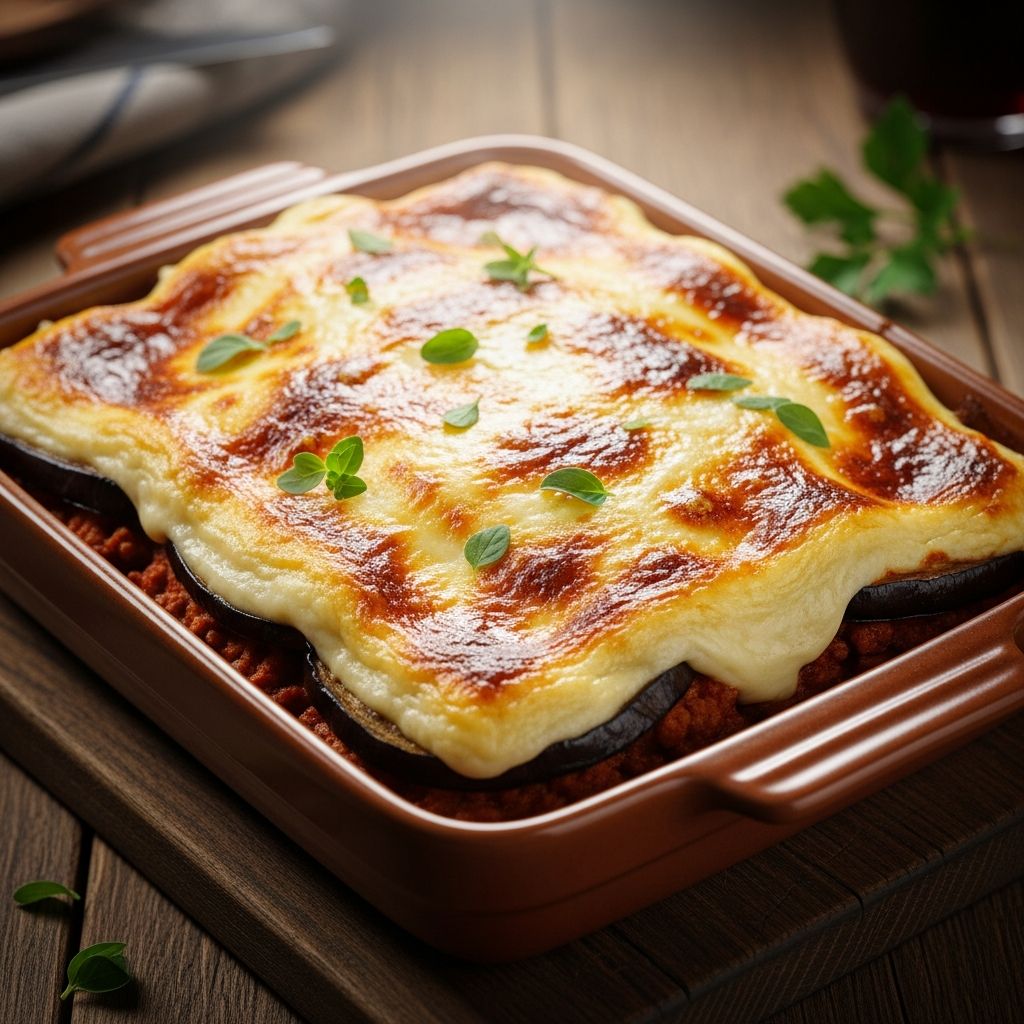
Greek moussaka stands as one of the Mediterranean’s most beloved comfort foods, representing centuries of culinary tradition passed down through generations of Greek families. This elegant layered casserole combines tender roasted vegetables, richly spiced meat sauce, and a luxurious creamy topping to create a dish that appears complex but remains surprisingly approachable for home cooks. Understanding the fundamental components and preparation techniques transforms what many perceive as an intimidating recipe into a manageable project that delivers restaurant-quality results in your own kitchen.
Understanding the Core Components of Moussaka
Moussaka comprises four essential layers that work together to create a harmonious whole greater than its individual parts. Each component plays a critical role in the final dish’s texture, flavor, and overall success. Rather than viewing this recipe as a single entity, approaching each element separately allows you to master them individually before bringing them together.
The foundation begins with thinly sliced potatoes and eggplant that provide the structural base and absorb the savory flavors of the meat sauce. A richly seasoned ground meat sauce infused with warming spices comes next, followed by a carefully prepared creamy béchamel that acts as both a binding agent and a luxurious topping. Understanding how these layers interact during the cooking process helps ensure even cooking and optimal flavor distribution.
Selecting and Preparing Your Vegetables
The vegetable foundation requires careful selection and preparation to achieve the ideal texture and flavor. Eggplant selection matters considerably, as you’ll want specimens that are firm, glossy, and neither too large nor too small. Oversized eggplants tend to develop a spongy texture and bitter flavor, while very young ones may lack substance.
Begin by removing the eggplant stalks and slicing the flesh lengthwise into approximately half-inch thick pieces. This thickness strikes an important balance, providing enough substance to maintain structural integrity during cooking while remaining tender enough to eat pleasantly. Once sliced, place the pieces in a colander, salt them generously, and allow them to sit for thirty minutes to an hour. This critical step draws out excess moisture and reduces inherent bitterness, resulting in sweeter, better-textured eggplant that holds its shape during assembly and baking.
For potatoes, choose varieties with moderate starch content that maintain their form when cooked. Peel them and slice into uniform half-inch rounds, following the same thickness as your eggplant pieces for even cooking throughout the layers. If preparing vegetables ahead of time, store potato slices in cold water to prevent oxidation and browning.
Vegetable Preparation Methods
- Eggplant treatment: Slice lengthwise, salt heavily, and allow to drain in a colander for 30-60 minutes to remove moisture and bitterness
- Potato preparation: Peel and slice into uniform half-inch rounds, storing in cold water if not using immediately
- Pre-cooking options: You may lightly pan-fry eggplant slices or roast both vegetables before layering to enhance texture and concentrate flavors
- Seasoning vegetables: Season potato and eggplant layers with salt and pepper during assembly for optimal flavor development
Crafting the Meat Sauce Foundation
The meat sauce represents the dish’s flavor powerhouse, where traditional Greek spicing transforms simple ground meat into something extraordinary. This sauce should develop slowly, allowing flavors to meld and deepen rather than racing through cooking stages.
Begin by heating olive oil in a large, heavy-bottomed pan over medium-high heat. Add finely diced onions and cook until they begin to turn translucent and develop subtle caramelization. This patient approach builds a flavor foundation that commercial spice blends cannot replicate. Add minced garlic and cook briefly until fragrant, then introduce your ground meat, breaking it apart as it browns. Whether you choose lamb, beef, or a combination depends on personal preference and regional tradition, though lamb provides the most authentic Greek character.
Once the meat has lost its pink color—approximately ten to twelve minutes of cooking—the real magic begins. Introduce the distinctive spices that define Greek moussaka: cinnamon, nutmeg, and allspice. These warm spices should cook for a few minutes, allowing their essential oils to bloom and release their aromatic compounds. This toasting process creates depth impossible to achieve by simply stirring dried spices into liquid.
Add tomato paste and allow it to caramelize slightly in the hot pan, coating the meat particles in umami-rich flavor. Deglaze the pan with a splash of wine if desired, allowing any flavorful browned bits to dissolve into the sauce. Pour in your tomato base—crushed fresh tomatoes, canned tomatoes, or passata—along with beef stock, fresh parsley, and a touch of sugar to balance acidity. Bay leaves and thyme add background complexity.
Reduce the heat to low and allow the sauce to simmer gently for thirty to forty minutes, stirring occasionally. The goal is reducing the liquid content by roughly half, concentrating flavors and thickening the sauce to a consistency that clings to the meat without becoming runny. The finished sauce should appear rich, textured, and deeply colored, not thin or watery.
The Art of Creating Béchamel Sauce
Béchamel sauce represents the crowning glory of moussaka, its creamy richness balancing the spiced meat and vegetables below. Unlike lighter béchamel used in other dishes, moussaka’s version is intentionally thicker, with egg added for richness and structural integrity.
Begin by melting butter in a saucepan over medium heat, then whisk in flour to create a paste-like roux. Cook this mixture for a few minutes, stirring frequently, allowing the flour to lose its raw taste while developing a slightly nutty aroma. This step is crucial—undercooked flour results in a starchy-tasting sauce, while overcooked flour loses its thickening power.
Warm your milk separately before adding it to the roux, as room-temperature or cold milk can create lumps. Add the warm milk gradually, whisking constantly to incorporate it smoothly. Work patiently through this stage, ensuring each addition is fully incorporated before adding more. Once all milk has been added, increase the heat slightly to bring the sauce to a gentle simmer, whisking occasionally to prevent sticking or scorching on the pan bottom.
Simmer for approximately ten minutes, stirring frequently, until the sauce has thickened noticeably and coats the back of a spoon. Remove from heat and stir in beaten eggs, grated cheese, salt, pepper, and a pinch of nutmeg. Return the pan to low heat, stirring gently until the sauce reaches the desired thickness, but do not allow it to boil, as high heat can cause eggs to scramble. The finished béchamel should be pourable yet substantial, thick enough to hold its shape on a spoon but creamy enough to spread evenly over the meat layer.
Assembling Your Masterpiece
Assembly represents the moment where all your preparation components come together. Organization proves critical here—have all elements ready before beginning assembly, as this process moves quickly once started.
Preheat your oven to 392°F (200°C) and lightly grease a large, deep baking dish. Begin with a foundation layer of potato slices, arranging them in a slightly overlapping pattern and seasoning with salt and pepper. Top this with a layer of eggplant slices, again overlapping slightly and seasoning. Sprinkle this layer with grated cheese—Parmigiano-Reggiano, Kefalotyri, or pecorino work beautifully.
Spread your meat sauce evenly over the vegetables, working to cover all areas without pressing down, which can compress the vegetables beneath. Add another layer of eggplant, followed by any remaining vegetables. The final layer belongs to your béchamel sauce—smooth it evenly over the vegetables using a palette knife or spatula, ensuring complete coverage. A final dusting of grated cheese on top promotes browning and adds richness.
Some cooks prefer three distinct vegetable-to-meat layers for greater complexity, while others use fewer layers in deeper dishes. Adapt the layering approach to your specific baking vessel, aiming for balanced proportions throughout.
Baking and Finishing Techniques
Bake your assembled moussaka on the center oven rack for approximately forty-five minutes, until the béchamel has set and the top has turned light golden. The timing varies slightly depending on your oven’s characteristics and the depth of your baking dish—a meat thermometer inserted through the center should read 165°F (74°C) when the dish is fully cooked through.
For a deeper golden-brown color, transfer the moussaka to the upper oven rack and broil briefly under high heat, watching carefully to prevent burning. This finishing step adds visual appeal and creates a slightly crispy surface layer that contrasts beautifully with the creamy interior.
Allow the finished moussaka to rest for approximately ten minutes before serving. This resting period allows the layers to set slightly, making serving cleaner and allowing the dish’s temperature to become more comfortable for eating. The moussaka will continue cooking slightly during this rest, ensuring the center reaches the proper temperature while the outside doesn’t overcook.
Common Challenges and Solutions
| Challenge | Cause | Solution |
|---|---|---|
| Watery sauce pooling at bottom | Insufficient simmering time reducing meat sauce or vegetables releasing excess moisture | Reduce meat sauce longer before assembling; salt eggplant thoroughly to remove moisture; drain vegetables on paper towels |
| Béchamel appears lumpy | Flour not fully incorporated into roux or milk added too quickly | Add milk gradually while whisking constantly; strain sauce through fine mesh if lumps develop |
| Top burns while inside remains undercooked | Oven temperature too high or baking dish too shallow | Use center oven rack instead of upper rack; tent with foil if necessary; reduce oven temperature by 25°F and extend baking time |
| Slices fall apart when serving | Insufficient béchamel binding or vegetables too soft from overcooking | Add slightly thicker béchamel; reduce vegetable cooking time; allow moussaka to cool slightly before cutting |
Flavor Variations and Adaptations
While the classic version remains timeless, moussaka accepts various adaptations based on ingredient availability and personal preference. Some regional variations incorporate potatoes more prominently or reduce eggplant proportion. Others add a thin layer of breadcrumbs mixed with butter between the vegetables and meat sauce for textural contrast.
Ground lamb offers the most traditional approach but beef provides a slightly milder alternative. A combination of both creates excellent balance. For those avoiding dairy, a béchamel made with olive oil instead of butter and cashew cream instead of dairy milk provides similar richness without animal products.
Serving Suggestions and Accompaniments
Moussaka shines as a standalone main course but pairs beautifully with simple accompaniments that don’t compete with its complex flavors. A crisp green salad dressed with lemon vinaigrette provides refreshing contrast to the richness. Crusty bread allows diners to soak up any sauce that pools on their plate.
Greek wine selections complement moussaka particularly well—dry white wines cut through the richness while full-bodied reds echo the spiced meat flavors. Consider the dish a centerpiece worthy of special occasions, yet approachable enough for weeknight family dinners once you’ve mastered the basic techniques.
Storage and Reheating
Moussaka improves with time as flavors continue melding, making it ideal for advance preparation. Store covered in the refrigerator for up to four days or freeze for up to three months. Thaw frozen moussaka overnight in the refrigerator before reheating. Reheat gently in a 325°F oven, covered with foil, for twenty to thirty minutes until warmed through, preventing the béchamel from drying out or browning excessively.
Frequently Asked Questions
Can I make moussaka without eggplant? While eggplant is traditional, some variations use additional potatoes or zucchini as substitutes, though this alters the dish’s character significantly.
Is it necessary to salt and drain eggplant before cooking? This step removes moisture and bitterness, resulting in better texture and flavor, though some modern varieties have reduced bitterness and may require less time.
What’s the difference between Greek and other moussaka variations? The Greek version characteristically includes both potatoes and eggplant, uses cinnamon in the meat sauce, and tops with béchamel rather than additional cheese.
How far ahead can I assemble moussaka before baking? Assemble up to eight hours ahead, covering and refrigerating. Add approximately ten additional minutes to baking time when cooking from cold.
References
- Traditional Moussaka Recipe with Eggplants and Potatoes — My Greek Dish. https://www.mygreekdish.com/recipe/mousakas/
- Authentic Greek Moussaka Step-by-Step Tutorial — 30 Days of Greek Food. https://30daysofgreekfood.com/authentic-greek-moussaka-step-by-step-tutorial/
- Moussaka (Greek Beef and Eggplant Lasagna) — RecipeTin Eats. https://www.recipetineats.com/moussaka-greek-eggplant-beef-bake/
- Authentic Greek Moussaka Recipe — Feasting At Home. https://www.feastingathome.com/rustic-eggplant-moussaka/
- Traditional Greek Moussaka with Eggplant — The Mediterranean Dish. https://www.themediterraneandish.com/moussaka-recipe-eggplant-casserole/
Similar Articles





Read full bio of Sneha Tete