Mastering Gluten-Free Bread Machine Baking: Expert Tips
Perfect homemade gluten-free loaves using automated bread machine cycles
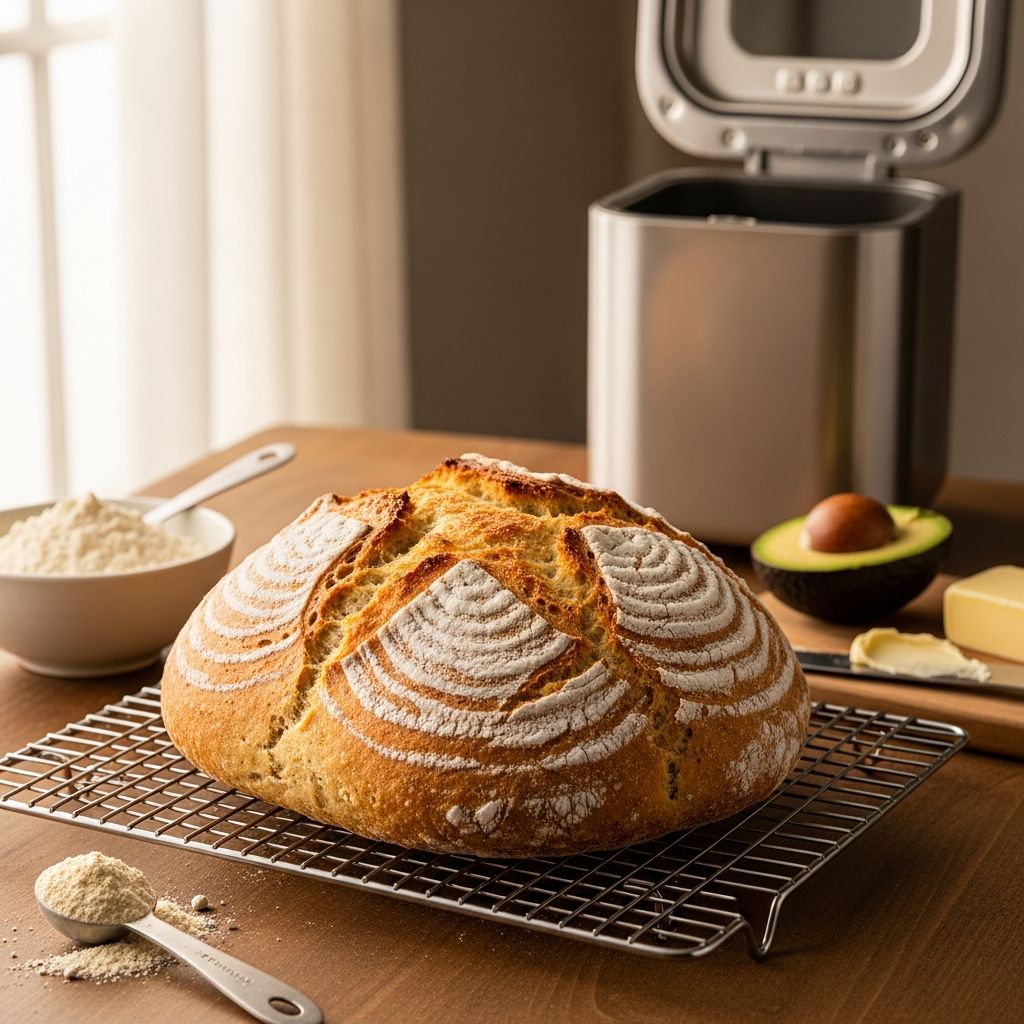
Baking bread at home has traditionally been a labor-intensive process requiring extensive kneading, monitoring multiple rise times, and careful oven management. However, gluten-free bread presents additional challenges beyond standard bread-making, as the absence of gluten fundamentally changes how dough behaves and develops structure. A bread machine transforms this complex process into a simple, automated experience that produces bakery-quality loaves with minimal hands-on effort. Whether you’re managing celiac disease, gluten sensitivity, or simply exploring dietary preferences, understanding how to effectively use your bread machine for gluten-free baking opens up possibilities for enjoying fresh, homemade bread regularly.
Understanding Gluten-Free Flour Blends and Their Role
The foundation of successful gluten-free bread starts with selecting the right flour blend. Unlike wheat flour, which contains natural gluten proteins that provide elasticity and structure, gluten-free flour blends must replicate these properties through combination with specialized starches and binders. Most commercial all-purpose gluten-free flour blends already contain xanthan gum, a crucial ingredient that mimics gluten’s binding and thickening properties. However, many experienced bakers recommend adding additional xanthan gum beyond what’s in the blend to strengthen the dough’s network and prevent crumbling.
Beyond xanthan gum, tapioca starch plays an essential supporting role in gluten-free bread recipes. This ingredient adds flexibility and stretch to the final loaf, preventing the dense, crumbly texture that often characterizes homemade gluten-free bread. The combination of a quality all-purpose gluten-free flour blend with extra xanthan gum and tapioca starch creates the foundation for bread that rivals conventional wheat-based loaves in both texture and taste.
Key Ingredients That Transform Dough Behavior
Beyond the flour base, several ingredients serve specific functions in gluten-free bread machine recipes. Understanding each component helps you troubleshoot problems and potentially adapt recipes to your preferences or dietary needs.
- Acidic Components: Apple cider vinegar and cream of tartar work together to lower the dough’s pH level, which promotes better rising and helps the bread achieve greater volume. These ingredients essentially trick the yeast into performing more effectively, compensating for gluten’s absence in creating structure.
- Leavening Agents: Instant yeast provides the primary rise, while baking powder offers supplementary lift. This dual approach ensures your bread rises adequately even if the bread machine’s preset cycle doesn’t provide enough rising time for gluten-free dough.
- Binding Elements: Eggs contribute moisture and act as a secondary binder, helping hold the loaf together as it bakes. Their protein content also supports structure development.
- Moisture Regulators: Warm milk provides hydration while butter adds richness and helps develop a softer crumb. The fat content is particularly important in gluten-free baking, as it compensates for the structural weakness that gluten would normally provide.
- Sweeteners: Sugar feeds the yeast and promotes browning through the Maillard reaction, creating an attractive crust while enhancing flavor complexity.
The Strategic Ingredient Layering Method
One of the most important techniques in gluten-free bread machine baking involves how you introduce ingredients into the machine, rather than simply combining everything at once. This layering strategy prevents premature yeast activation and ensures optimal flavor development.
Begin by whisking your wet ingredients together in a measuring cup: warm milk (approximately 95°F to 110°F), melted and cooled butter, apple cider vinegar, and beaten eggs. The water temperature matters significantly because yeast becomes dormant below 68°F and dies above 138°F, with optimal activation occurring around 105°F to 110°F.
In a separate bowl, thoroughly whisk together all dry ingredients except the yeast: your gluten-free flour blend, xanthan gum, tapioca starch, cream of tartar, baking powder, sugar, and salt. This thorough mixing ensures even distribution of leavening agents and prevents pockets of baking powder from creating undesirable flavors or texture inconsistencies.
Pour the wet mixture into your bread machine’s pan first. Then carefully spoon the dry mixture on top in an even, flat layer without mixing the two components. This separation prevents the yeast (which will go into a small well in the dry ingredients) from activating prematurely when it contacts the wet ingredients. Use a clean finger to create a shallow well in the center of the dry ingredients, making sure it doesn’t penetrate through to the liquid below. Pour the yeast into this well, ensuring complete separation until the machine’s mixing cycle begins.
Bread Machine Settings and Cycle Selection
Modern bread machines offer varying levels of customization, and your specific machine’s capabilities determine which settings you’ll use. If your machine includes a “homemade” or “custom” setting, this is ideal for gluten-free baking because you can manually program specific parameters. A typical gluten-free cycle configuration includes:
- 20 minutes of mixing and kneading in a single cycle
- One rise period lasting approximately one hour
- Baking time between 1.5 to 2.5 hours depending on loaf size
- Dark crust setting if available, which promotes browning without over-drying the interior
If your bread machine lacks custom settings, select the “gluten-free” cycle if available, as manufacturers design this specifically for recipes using gluten-free flour blends. If no gluten-free option exists, the “basic” or “1-rise” cycle typically provides adequate results. Rapid-rise or express cycles usually don’t allocate sufficient rising time for gluten-free dough, which requires more time to develop proper structure without gluten’s assistance.
What to Expect During the Baking Process
As your bread machine operates, the dough will progress through distinct phases. During the initial mixing phase, gluten-free dough appears much thinner and more batter-like compared to conventional bread dough. This is completely normal and does not indicate a problem. The starch-based dough lacks gluten’s elasticity, so it cannot form tight balls like wheat-based doughs. Some bakers find it helpful to manually scrape down the sides of the pan with a spatula during the early mixing phase to ensure even incorporation of ingredients, though many machines handle this automatically.
As the rise cycle progresses, you’ll notice the dough volume increasing, though often not as dramatically as wheat-based dough. The combination of yeast activity, baking powder, and acids creates lift through multiple mechanisms, resulting in a more subtle but steady rise. This gradual lifting actually benefits gluten-free bread by preventing the large, irregular holes that sometimes develop in wheat loaves.
Customization Options and Dietary Adaptations
The basic gluten-free bread recipe accommodates several modifications for different dietary requirements and flavor preferences. For dairy-free variations, substitute milk with cashew, almond, or coconut milk at the same volume, and replace butter with dairy-free alternatives like Earth Balance or Smart Balance spread. These substitutions maintain the recipe’s hydration and fat content while eliminating animal products.
Honey can replace granulated sugar at a slight adjustment (use approximately 3/8 cup honey for 2 tablespoons sugar, while reducing liquid slightly). This creates a subtly sweeter loaf with different browning characteristics and improved shelf life due to honey’s hygroscopic properties.
For variations in texture and flavor, you can incorporate additions such as seeds, herbs, or mild spices. If adding chunky ingredients, introduce them during the final mixing phase rather than at the beginning to prevent over-processing. The bread machine’s consistency prevents you from making judgment calls mid-cycle like home bakers might, so plan your additions before starting.
Troubleshooting Common Gluten-Free Bread Machine Problems
| Problem | Likely Cause | Solution |
|---|---|---|
| Dense, crumbly crumb | Insufficient binding; inadequate rise time | Increase xanthan gum; add extra baking powder; ensure adequate moisture |
| Dough doesn’t rise noticeably | Yeast dormancy or poor activation; water temperature incorrect | Verify water temperature (105-110°F); check yeast expiration date; ensure yeast well-separated from liquid |
| Sunken top or collapse during final rise | Over-proofing; dough too wet | Reduce rise time if machine allows; decrease liquid slightly; check flour blend hydration |
| Pale, unbrowned crust | Insufficient baking time; low oven temperature not applicable for machines | Select dark crust setting; increase baking time in custom cycle if machine allows |
| Wet, gummy interior despite adequate baking | Insufficient baking time for gluten-free density; underbaked | Increase baking duration by 15-20 minutes; allow complete cooling before slicing |
Cooling and Storage Recommendations
After your bread completes its cycle, resist the temptation to slice immediately. Gluten-free bread requires longer cooling than conventional bread for several important reasons. The starches and eggs need time to set properly, and premature cutting disrupts the crumb structure when it’s still too warm and malleable. Allow at least 10 to 15 minutes for the loaf to cool in the pan, then transfer it to a wire rack for an additional 45 minutes to an hour of cooling. This extended cooling period ensures that the interior firms adequately, resulting in cleaner slices and better texture.
For storage, keep your cooled loaf in an airtight container at room temperature for up to three days. Gluten-free bread typically dries out faster than wheat bread due to its different crumb structure, so avoid storing it in the refrigerator unless you specifically want to preserve it for a week or more. Individual slices freeze exceptionally well and can be toasted directly from frozen, making freezing an excellent option for maintaining a bread supply.
Frequently Asked Questions
Can I use regular gluten-free flour blend without additional xanthan gum?
While many commercial blends contain xanthan gum, adding extra strengthens the dough structure significantly. Most successful bakers recommend including additional xanthan gum even with pre-blended flours, as this compensates for individual variation in commercial blend formulations.
What temperature should my milk be before adding it to the machine?
Warm milk should reach approximately 105°F to 110°F, warm enough to activate yeast without killing it. If you don’t have a thermometer, milk that feels warm to the touch but not hot—similar to bathwater—usually achieves the correct temperature.
Why is my gluten-free dough so much thinner than regular bread dough?
Without gluten’s elasticity, gluten-free dough naturally remains thinner and more batter-like. This is expected and correct; it will still rise during the baking cycle despite its appearance during mixing.
Should I intervene if the dough looks unusual during mixing?
While some bakers scrape down the sides during early mixing to promote even ingredient incorporation, most modern machines handle this automatically. Avoid over-manipulating the dough, as this disrupts the machine’s programmed cycles.
How do I know when the bread is fully baked?
When the cycle completes, the bread should feel firm to gentle pressure and have a golden-brown crust. The bottom should sound hollow when tapped. If unsure, it’s better to continue baking for an additional 10-15 minutes than to remove bread that’s still underbaked.
Embracing Consistent, Quality Gluten-Free Baking
Baking gluten-free bread in a bread machine eliminates the guesswork and physical demands of traditional breadmaking while consistently producing loaves that satisfy both nutritional requirements and taste preferences. By understanding your machine’s capabilities, respecting the unique demands of gluten-free dough, and following systematic techniques, you’ll develop the confidence to troubleshoot variations and even adapt recipes to suit your household’s specific needs and preferences. The investment of time to learn these techniques pays dividends through weeks and months of enjoying fresh, wholesome bread that rivals commercial alternatives.
References
- Best Gluten Free Bread Machine Recipe — Gluten Free on a Shoestring. 2024. https://glutenfreeonashoestring.com/gluten-free-bread-machine-bread/
- Gluten Free White Bread Machine Bread — Seasonal Cravings. 2024. https://www.seasonalcravings.com/gluten-free-white-bread-machine-bread/
- Gluten-Free Bread Machine Bread with Dairy-Free Option — Mama Knows Gluten Free. 2024. https://www.mamaknowsglutenfree.com/homemade-gluten-free-bread/
- 17 Gluten-Free Bread Machine Recipes — Flippin Delicious. 2024. https://flippindelicious.com/gluten-free-bread-machine-recipes/
- Bread Machine Loaf — Better Batter Gluten Free Flour. 2024. https://www.betterbatter.org/patrick-augers-famous-bread-machine-loaf
- Gluten-Free Sandwich Bread for 1.5-lb. Loaf Breadmaker — Hamilton Beach. 2024. https://hamiltonbeach.com/gluten-free-sandwich-bread-for-15-lb-loaf-breadmaker
Similar Articles



Read full bio of medha deb