Honey Mustard Glazed Poultry: Easy Weeknight Recipe
Master the art of creating succulent oven-roasted chicken with a signature sweet and savory glaze
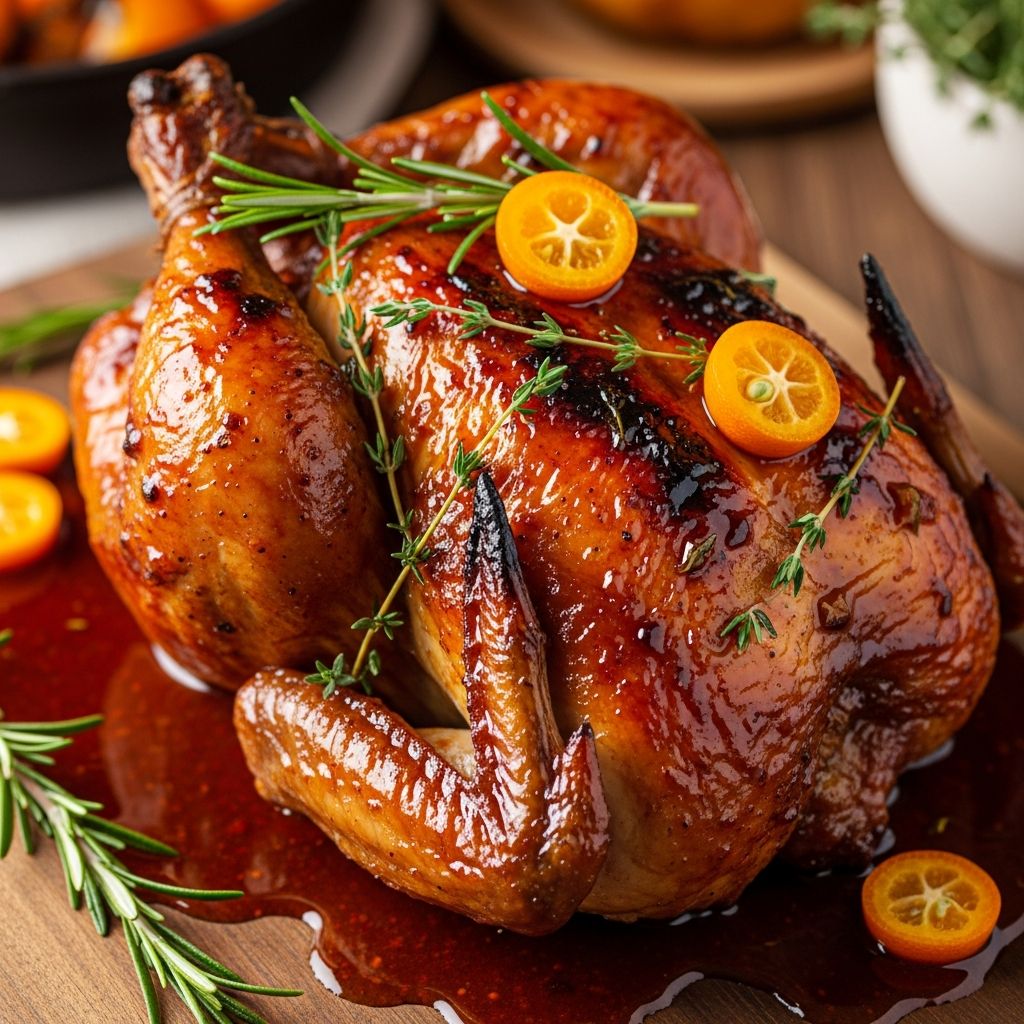
When you’re searching for a reliable dish that delivers both impressive flavors and minimal effort, poultry glazed with a combination of honey and mustard stands out as an exceptional choice. This cooking method produces incredibly moist meat protected by a glistening exterior that caramelizes beautifully during the baking process. The marriage of sweet honey with the sharp, pungent qualities of mustard creates a complexity that elevates simple poultry into restaurant-quality fare.
Understanding the Foundation of This Dish
The appeal of this preparation lies in its straightforward yet sophisticated approach to flavor development. Rather than relying on complex techniques or rare ingredients, this dish demonstrates how a few quality components can transform a basic protein into something memorable. The glazing method works because it simultaneously seasons, moisturizes, and creates visual appeal through caramelization.
The honey-mustard combination has historical roots in French cooking traditions, where such pairings have been celebrated for centuries. The technique of coating meat with a glaze before baking allows flavors to concentrate while the poultry cooks through gently in the oven’s dry heat environment.
Selecting and Preparing Your Poultry
Success begins with choosing quality poultry that will benefit from this preparation method. You have flexibility in your selection, as different cuts respond well to glazing. Whether you opt for individual portions or bone-in varieties, the key is ensuring even thickness for uniform cooking.
Before beginning the glazing process, proper preparation cannot be overlooked. Pat your poultry dry using clean paper towels, as surface moisture can prevent proper browning and caramelization. If using larger pieces, consider gently pounding them to achieve consistent thickness, which promotes even heat distribution throughout the cooking process. For bone-in portions, removing excess visible fat allows the glaze to penetrate more effectively while preventing greasiness in the final dish.
Crafting the Signature Glaze Mixture
The glaze represents the heart of this preparation, and its construction follows a balanced approach. Begin by combining the mustard components—the sharp, piquant quality provides necessary acidity and depth. Honey contributes not only sweetness but also viscosity that helps the glaze adhere to the poultry’s surface.
To create a well-rounded glaze, incorporate additional elements that enhance both flavor and texture. Olive oil provides richness and helps distribute fat-soluble flavors, while aromatics such as minced garlic offer pungency and complexity. Fresh or dried herbs like thyme contribute earthy undertones that prevent the glaze from becoming one-dimensional. A small amount of acid—whether from vinegar or Worcestershire sauce—brightens the overall flavor profile and prevents excessive sweetness.
The whisking process matters significantly. Combine all glaze ingredients in a bowl and whisk thoroughly until the mixture achieves a smooth, cohesive consistency. Reserve a small portion of this glaze before applying it to the raw poultry; this reserved portion will be brushed onto the meat near the end of cooking, providing a fresh layer of flavor and additional caramelization.
Essential Glaze Components and Their Roles
- Mustard varieties: Dijon provides sharpness and sophistication, while whole grain mustard adds texture and rustic appeal
- Honey: Delivers sweetness, aids in caramelization, and creates a glossy finish
- Olive oil: Ensures proper glaze adherence and adds richness
- Aromatics: Garlic and fresh herbs build complexity and depth
- Acid components: Vinegar or soy sauce balances sweetness and brightens overall flavor
- Seasonings: Salt, pepper, and optional spices like paprika enhance and harmonize other flavors
Execution: From Preparation to Oven
Once your glaze is prepared and your poultry is ready, the actual cooking process becomes quite straightforward. Begin by preheating your oven to the appropriate temperature, allowing it to reach full heat before the poultry enters. This ensures consistent cooking and helps develop that desirable caramelized exterior.
Arrange your prepared poultry in a baking vessel suitable for oven use. A shallow baking dish or roasting pan works ideally, as it promotes even heat circulation. If your poultry pieces are crowded in the pan, they’ll steam rather than roast, resulting in less flavorful skin and texture. Space them with some clearance between pieces.
Apply your prepared glaze generously over each piece, ensuring complete coverage. For pieces with skin, pay particular attention to achieving good contact with the glaze, as this promotes superior browning and flavor development. Some cooks prefer using a basting brush for precision, while others find spoon-drizzling equally effective.
Place the baking dish in your preheated oven. The initial cooking phase allows the glaze to set and the poultry to cook through. Midway through the cooking process, remove the dish from the oven and brush on the reserved portion of glaze. This step is crucial because it provides an additional layer of caramelization and ensures the final presentation has optimal color and shine.
Temperature and Timing Considerations
Proper doneness matters enormously for both safety and palatability. The internal temperature serves as your most reliable guide—poultry should reach a safe minimum temperature measured at the thickest portion. Using an instant-read thermometer removes guesswork and prevents both undercooking and the unfortunate outcome of overcooking, which dries out the meat.
Cooking times vary based on several factors: the size of your poultry pieces, your specific oven’s characteristics, and whether the meat is bone-in or boneless. Rather than relying solely on time estimates, combine timing with temperature verification for optimal results. After the initial cooking phase, monitor progress carefully. The glaze should begin showing caramelization marks, and the skin should take on an appetizing golden-brown hue.
Achieving Restaurant-Quality Results at Home
Several techniques separate adequate results from truly exceptional ones. First, allowing your poultry to rest briefly after removal from the oven permits carryover cooking—the internal temperature rises slightly as residual heat distributes. This resting period also allows juices to redistribute throughout the meat rather than running onto your serving plate when cut.
Second, avoiding the temptation to open the oven door excessively helps maintain consistent temperature. Each opening causes temperature fluctuations that can extend cooking time and create uneven results. Trust your thermometer rather than constantly checking visual cues.
Third, consider your oven’s hot spots. Many home ovens have areas that run hotter or cooler than others. Rotating your baking dish midway through cooking compensates for this variability and ensures even browning across all pieces.
Complementary Side Dishes and Serving Suggestions
This glazed poultry pairs beautifully with numerous accompaniments. Starchy sides absorb the flavorful drippings that accumulate in the baking dish, making them increasingly delicious. Rice pilaf, roasted root vegetables, or creamy polenta all complement the sweet-savory profile admirably.
For vegetable pairings, consider options that either contrast with or echo the flavor profile. Crisp green vegetables provide textural contrast, while roasted Brussels sprouts or carrots echo the caramelization process occurring on your poultry. A simple green salad with bright vinaigrette balances the richness of the glaze.
The glaze itself becomes a pseudo-sauce that’s served alongside or spooned over the finished dish. To maximize this component, transfer the baking dish contents to a saucepan after plating the poultry. Simmer briefly over low heat to concentrate flavors further, then spoon over each serving.
Make-Ahead and Storage Guidance
Preparation flexibility makes this dish particularly valuable for busy cooks. The glaze can be assembled hours or even a full day in advance, stored in a covered container in your refrigerator. Some cooks prefer coating their poultry with the glaze and refrigerating for several hours or overnight, allowing flavors to penetrate the meat more thoroughly.
After cooking, leftovers remain delicious for several days when properly stored. Allow the dish to cool to room temperature before refrigerating in an airtight container. Reheat gently in a low oven to prevent the meat from drying further. Cold leftover poultry works wonderfully in salads or grain bowls, providing quick protein for subsequent meals.
Troubleshooting Common Issues
If your glaze burns rather than caramelizes, your oven temperature likely runs hot. Reduce temperature slightly and extend cooking time, or cover the dish loosely with foil during initial cooking phases. If the poultry remains dry despite proper internal temperatures, consider using bone-in pieces next time, as they retain moisture more effectively during cooking.
Glaze separation sometimes occurs—this is normal and simply requires stirring before application. If your final result lacks color, ensure you’re reserving that second application of glaze for near the end of cooking, when oven heat concentrates its sugars into caramelization rather than evaporation.
Adaptations and Variations
The basic glaze formula tolerates considerable variation based on preference and ingredient availability. Those preferring spicier profiles can add cayenne pepper, sriracha, or fresh ginger. Herb enthusiasts might incorporate fresh rosemary, tarragon, or oregano. Different mustard types—from grainy whole grain to brown mustard—create distinct flavor profiles while maintaining the fundamental sweet-savory balance.
Some cooks add umami depth through soy sauce or Worcestershire sauce. Others incorporate Asian flavors through the addition of ginger and soy. The flexibility of this preparation method means you can customize it repeatedly while maintaining its essential character and reliability.
References
- USDA Food Safety and Inspection Service — U.S. Department of Agriculture. 2024. https://www.fsis.usda.gov/food-safety/safe-food-handling-and-preparation/poultry/poultry-preparation
- McGee, Harold — On Food and Cooking: The Science and Lore of the Kitchen. Scribner. 2004. (Reference on caramelization and Maillard reaction in cooking)
- The Culinary Institute of America — The Professional Chef. Wiley. 2011. https://www.ciachef.edu/
Similar Articles



Read full bio of medha deb