Creating Functional Beauty in Your Kitchen With Open Design
Transform your cooking space with smart open shelving strategies that balance style and practicality.
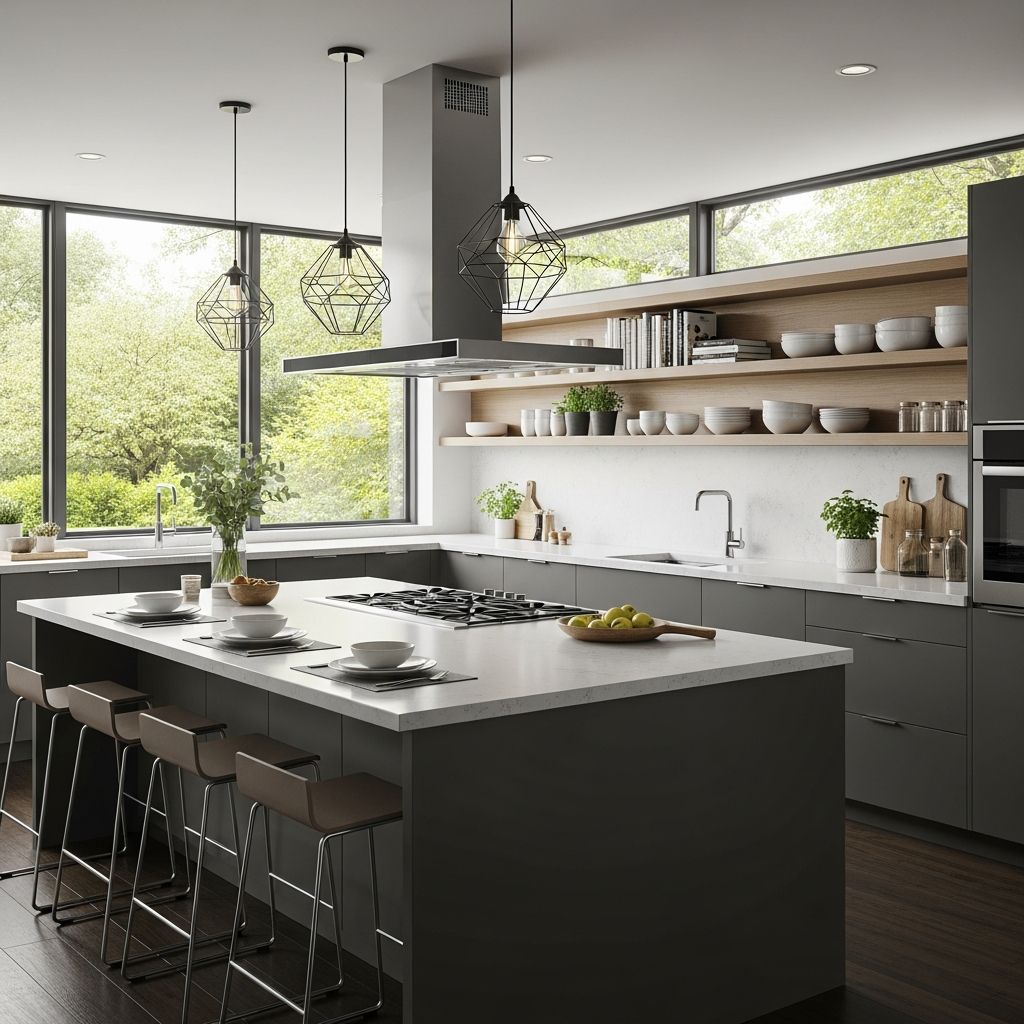
The modern kitchen has undergone a significant transformation in recent years, shifting away from purely functional storage toward spaces that are both practical and visually engaging. One of the most impactful trends driving this change is the adoption of open shelving and accessible storage solutions. This design philosophy doesn’t just make your kitchen look more spacious and inviting—it fundamentally changes how you interact with your cooking space on a daily basis.
Open kitchen design represents a departure from the traditional approach of hiding everything behind closed cabinet doors. Instead, it celebrates the items you use regularly, turning them into decorative elements that contribute to your kitchen’s overall aesthetic. The result is a space that feels simultaneously more organized, more accessible, and more personally expressive.
Understanding the Visual and Practical Benefits of Accessible Storage
When you transition to open shelving, the first change you’ll notice is how much more spacious your kitchen feels. The absence of solid cabinet doors eliminates visual barriers that can make even large kitchens feel cramped and oppressive. This is particularly valuable in smaller cooking spaces where every psychological advantage matters.
Beyond the visual expansion, open storage fundamentally improves accessibility. Rather than reaching into deep cabinets or struggling with doors that swing open unexpectedly, your everyday items sit at arm’s reach. Dinner plates, mixing bowls, cooking utensils, and frequently used spices are instantly available without requiring you to open anything or move items around.
This accessibility extends to the cleaning benefits as well. Open shelves eliminate the greasy fingerprints that accumulate on cabinet doors, which is one of the most common complaints from home cooks who appreciate traditional closed storage. Your display items stay cleaner longer, and maintenance becomes simpler.
Strategic Placement: Where Open Shelving Works Best
Not every kitchen benefits equally from open shelving. Strategic placement is essential to maintaining both functionality and aesthetic appeal. Consider these placement approaches:
- Upper wall spaces: The traditional location above countertops provides excellent visibility and easy access without requiring you to bend. This is ideal for items you use several times daily.
- Lower storage options: Open shelving positioned lower in your kitchen works wonderfully for heavier items like cookbooks, pots, and pans, which are impractical to store at height. This creates visual interest and character while maintaining proper ergonomics.
- Partial replacement approach: If you’re hesitant about committing fully to open design, consider replacing just one section of traditional cabinetry with shelving. This hybrid approach lets you experience the benefits while maintaining closed storage for less visually appealing items.
- Feature wall displays: Dedicating one wall to open storage creates a focal point that anchors your kitchen design while containing the open aesthetic to a defined area.
The Art of Curation: Making Open Storage Beautiful
The primary challenge with open shelving is preventing it from devolving into visual chaos. Success depends entirely on thoughtful curation of what you display. This doesn’t mean your open shelves can only hold decorative items—quite the opposite, in fact. The key is intentionality in what you choose to show and how you arrange it.
Begin by identifying your kitchen’s aesthetic direction. Are you aiming for an industrial and functional vibe, or do you prefer sleek modern minimalism? Perhaps your taste leans toward farmhouse warmth, cottagecore charm, or rustic French elegance. Your chosen style should inform every item you place on open shelves, creating a cohesive narrative rather than a random collection.
Creating Visual Harmony Through Consistency
One of the most effective techniques for maintaining order on open shelves is establishing visual consistency through containers and groupings. When storing dry goods, uniform containers create an immediately more polished appearance. A collection of matching glass jars containing grains, legumes, and tea creates far more impact than randomly sized containers with varied labels.
When grouping items, organize by size, color, and shape. Smaller items belong on lower shelves with larger pieces graduating upward as you move higher. This arrangement creates natural visual balance and prevents shelves from appearing top-heavy.
Spacing deserves special attention in your organization strategy. Rather than maximizing every inch of shelf space, intentionally leave gaps between item groupings. This whitespace is essential—it prevents crowding, creates breathing room for your eye, and maintains the airy feel that makes open shelving appealing in the first place.
Balancing Functionality With Aesthetic Appeal
A common misconception about open shelving is that it sacrifices practicality for appearance. In reality, the most successful kitchen storage combines both elements seamlessly. Your everyday functional items—the things you actually cook with—can absolutely live on open shelves while still looking intentional and beautiful.
The difference lies in arrangement and presentation. A carefully displayed collection of mixing bowls in complementary colors serves a genuine purpose while contributing to your kitchen’s visual interest. A set of well-loved cookbooks arranged on lower shelving provides easy reference and adds warmth. Even pots and pans can work on open display if they’re attractive pieces that align with your design aesthetic.
Developing an Organization System
Success with open shelving requires establishing clear systems for organization. Every item should have a designated spot, creating order that feels natural rather than forced. This is particularly important for everyday items that you reach for multiple times daily.
Consider these organizing principles:
| Organization Principle | Application | Benefits |
|---|---|---|
| Height Gradation | Place smaller items lower, increase size moving upward | Creates visual balance and prevents top-heavy appearance |
| Container Uniformity | Use matching containers for dry goods and pantry items | Enhances cohesion and simplifies inventory management |
| Functional Grouping | Keep similar items together (spices, baking supplies, etc.) | Improves efficiency and maintains visual organization |
| Intentional Spacing | Leave gaps between item groups rather than maximizing space | Prevents clutter and maintains the airy aesthetic |
Budget Considerations and Design Flexibility
Open shelving offers significant financial advantages compared to custom cabinetry. This affordability makes it possible to achieve a distinctive, personalized kitchen aesthetic without stretching your renovation budget. The flexibility inherent in this approach allows you to create unique style while maintaining necessary functionality.
Rather than investing in expensive built-ins, you can acquire shelving at various price points and customize the overall look through your curation choices. This democratizes kitchen design, making sophisticated organization accessible to more homeowners.
Creating Zones Within Your Open Kitchen
Well-designed open storage creates distinct zones within your kitchen, each serving a specific purpose. Your beverage station might feature glasses and cups at eye level with easy reach to the coffee maker or water dispenser. Your cooking zone clusters frequently used utensils, measuring equipment, and ingredient containers. A dedicated baking area groups your mixing bowls, measuring cups, and specialty tools.
These zones create natural organization that aligns with how you actually work in your kitchen. When items are located near where you use them, the kitchen becomes more efficient and intuitive to navigate.
Maintaining Open Shelves: Practical Considerations
Open shelving requires honest conversation about maintenance. Exposed items will gather dust more readily than those behind closed doors. Plan for regular wiping and straightening to maintain the curated appearance that makes open shelving successful.
For items you use infrequently or that don’t align with your aesthetic, maintain closed storage options. This hybrid approach—combining open and closed storage—is often more realistic for actual living than purely open design. Your beautiful display items live on open shelves while cleaning products, backup supplies, and less attractive items remain hidden.
Addressing Common Concerns About Open Storage
Frequently Asked Questions
Q: Won’t open shelves make my kitchen look cluttered?
A: Only if items aren’t carefully curated. The key difference between clutter and intentional display is organization and consistency. When items follow a coherent aesthetic and arrangement system, even fully open storage looks sophisticated rather than chaotic.
Q: Is open shelving practical for busy families?
A: Yes, when combined with closed storage for less frequently used items. Open shelves work wonderfully for everyday dishes and cooking tools that you use multiple times daily. Reserve closed cabinets for specialty items, supplies you use occasionally, and things that don’t fit your design aesthetic.
Q: How do I prevent items from looking disorganized over time?
A: Establish clear zones for different categories, use uniform containers where possible, and perform regular maintenance. Set a weekly routine of straightening and wiping shelves—this takes just minutes but dramatically maintains appearance.
Q: Can open shelving work in kitchens that are part of open-plan living spaces?
A: Absolutely. Open shelving complements open-plan design by continuing the visual flow and airy feeling throughout connected spaces. This creates cohesive, spacious-feeling homes.
Integrating Open Storage Into Your Kitchen Renovation
If you’re planning a kitchen update, consider incorporating open shelving as part of your overall design strategy. You don’t need to commit entirely—even replacing one section of upper cabinetry with shelving can transform how your kitchen feels and functions. This partial approach lets you test the concept before making larger changes.
When planning your shelving installation, think about your daily workflow. What items do you reach for most? What would benefit from being on display versus hidden? What’s your established aesthetic preference? These answers should drive placement decisions.
The Psychological Impact of Open Kitchen Design
Beyond the practical benefits, open kitchens create psychological advantages. Visible storage creates a sense of control and order. You always know where items are, which reduces the mental load of managing kitchen supplies. The visual openness contributes to feelings of calm and spaciousness, making your kitchen a more pleasant place to spend time.
Additionally, thoughtfully organized open storage can actually inspire better cooking habits. With ingredients and tools readily visible and accessible, you’re more likely to experiment and engage with cooking rather than defaulting to convenience options.
Conclusion: Balancing Form and Function
Creating a beautiful, functional kitchen through open storage design requires thoughtful balance between aesthetics and practicality. Success comes not from choosing between beauty and functionality, but from recognizing that these goals support each other when implemented with intention.
By strategically placing open shelves, carefully curating what you display, maintaining organization systems, and combining open storage with closed cabinetry where appropriate, you can create a kitchen that is simultaneously more beautiful, more accessible, and more truly reflective of how you actually cook and live. The result is a space that works harder and feels better—the hallmark of thoughtful kitchen design.
References
- Open Storage Ideas for Kitchen Design — Haile Kitchen. https://hailekitchen.com/open-storage-ideas-for-kitchen-design/
- Practical Ways to Style Open Kitchen Shelves Clutter-Free — A Traditional Life. https://atraditionallife.com/practical-ways-to-style-open-kitchen-shelves-clutter-free/
Similar Articles



Read full bio of medha deb