Food Dyes and Child Behavior: The Science Revealed
Uncover the evidence linking synthetic food dyes to hyperactivity and neurobehavioral issues in children, and learn practical steps for parents.
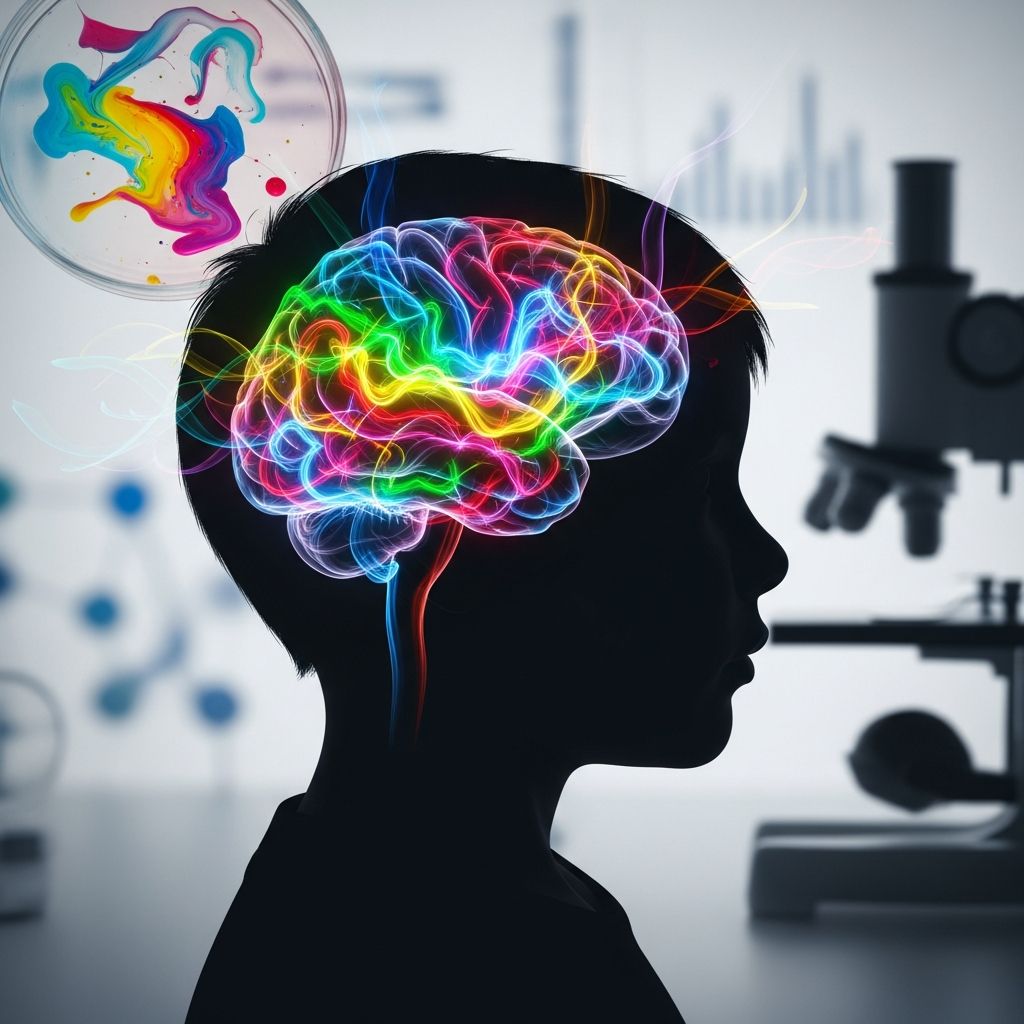
Synthetic food dyes, vibrant additives in candies, cereals, and beverages, have sparked debate over their influence on children’s conduct. Research from clinical trials and animal studies indicates these colors can exacerbate hyperactivity and attention issues in susceptible youth.
Understanding Synthetic Food Dyes in Everyday Diets
These petroleum-derived compounds enhance food appeal but raise health flags. Common ones include Red No. 40, Yellow No. 5, and Red No. 3, found in processed snacks and drinks. U.S. children ingest far more today than decades ago, with average consumption rising fivefold since 1955.
Exposure often occurs via juice drinks, soft drinks, and colorful treats. California’s Office of Environmental Health Hazard Assessment (OEHHA) notes children encounter multiple dyes daily, sometimes surpassing acceptable daily intake (ADI) levels for certain colors like Red No. 3.
Clinical Evidence: Do Dyes Trigger Behavioral Changes?
Challenge studies, where kids follow dye-free diets then consume dyed foods, provide key insights. Of 25 such trials reviewed by OEHHA, 64% showed positive associations between dyes and worsened behavior, with 52% statistically significant.
A landmark meta-analysis by Nigg et al. (2012) confirmed links to parent-reported issues and attention test failures, with effects one-sixth to one-third as strong as ADHD medications. Dose-response patterns emerged in some research, like Rowe and Rowe’s work with Yellow No. 5, where higher doses correlated with poorer scores.
Not universal: Effects vary. Studies pre-selecting hyperactive children didn’t yield stronger links, suggesting broader susceptibility.
Animal Studies Reinforce Human Findings
Rodent research mirrors clinical data. Juvenile rats given dye mixtures at levels akin to or slightly above human child exposures displayed heightened motor activity.
Chronic adult exposures altered neurotransmitters, memory, and learning. Brain changes included reduced prefrontal cortex volume, fewer neurons and glia, and dendritic alterations from Red No. 40 and Yellow No. 5. Oxidative stress mechanisms were implicated, with antioxidants offering protection.
Single doses in rats prompted behavioral shifts, underscoring rapid impacts.
Who Is Most at Risk? Identifying Sensitivity Factors
Younger children appear more vulnerable than adults. Those with ADHD, oppositional defiant disorder, or anxiety may see amplified symptoms: hyperactivity, irritability, mood swings, and inattention lasting hours post-consumption.
Genetic factors play a role. Polymorphisms in histamine degradation genes heightened responses in 3- and 8/9-year-olds. Links to dopamine and histamine genes suggest biochemical pathways.
Even neurotypical kids can react, becoming agitated or anxious with regular intake.
| Condition | Potential Dye Effects | Supporting Evidence |
|---|---|---|
| ADHD | Worsened inattention, hyperactivity | Meta-analysis; challenge studies |
| Anxiety | Increased agitation via gut bacteria disruption | Research on additives |
| Oppositional Defiant Disorder | Heightened irritability, defiance | Clinical observations |
| Neurotypical Children | Temporary moodiness, hyperactivity | Population studies |
Regulatory Perspectives and Safety Debates
FDA-approved dyes are deemed safe for most, but OEHHA’s review urges caution for behavioral risks. California’s report highlights individual variability, calling for reduced exposures in at-risk groups.
Red No. 3 showed cancer links in rats but not humans; behavioral ties persist. Revised ADIs based on new data might flag common exposures as excessive.
Practical Strategies for Parents
- Scan Labels: Avoid products listing artificial colors like Red 40, Yellow 5/6, Blue 1/2.
- Opt for Naturals: Choose beet juice, turmeric, or spirulina-based hues.
- Test Elimination: Implement a 2-4 week dye-free trial; track behavior via journals.
- Limit Processed Foods: Prioritize whole fruits, veggies, and homemade treats.
- Consult Pros: Pediatricians or allergists for personalized advice.
MSU experts note most tolerate dyes, but sensitive kids benefit from avoidance.
Broader Health Implications Beyond Behavior
Dyes may induce oxidative stress, gut microbiome shifts, and neurochemical imbalances. Long-term, frequent use could normalize high-strung states.
Common Myths vs. Facts
| Myth | Fact | Source |
|---|---|---|
| All kids react badly to dyes | Only a subset; genetics influence | |
| Dyes cause ADHD | May worsen existing symptoms, not originate | |
| Natural dyes are always safe | Some cause allergies; moderation key | General knowledge |
| Effects are permanent | Temporary, resolve post-elimination |
Frequently Asked Questions (FAQs)
Can food dyes cause ADHD?
No direct causation, but they can intensify symptoms in diagnosed children.
How quickly do effects appear?
Often within hours of ingestion, fading similarly.
Are natural food colors safer?
Generally yes, with fewer behavioral reports, though allergies possible.
What if my child seems unaffected?
Most are; monitor for subtle changes like irritability.
Should schools ban dyed foods?
Some advocate yes for inclusivity; evidence supports consideration.
Empowering Families with Informed Choices
Armed with science, parents can navigate grocery aisles wisely. While dyes brighten plates, their shadows on behavior warrant vigilance, especially for sensitive children. Transitioning to dye-free options fosters calmer, healthier routines without sacrificing joy in meals.
References
- Potential impacts of synthetic food dyes on activity and attention in children: A systematic review — California Office of Environmental Health Hazard Assessment (OEHHA), via PMC. 2022-04-08. https://pmc.ncbi.nlm.nih.gov/articles/PMC9052604/
- Ask The Expert: What’s the problem with artificial food dyes? — Michigan State University. 2025-07. https://msutoday.msu.edu/news/2025/07/ask-the-expert-whats-the-problem-with-artificial-food-dyes
- Red dye no. 3: What parents need to know — Children’s Health. Recent access 2026. https://www.childrens.com/health-wellness/red-dye-no-3-what-parents-need-to-know
- How food dye can affect children — Ohio State University Wexner Medical Center. Recent access 2026. https://health.osu.edu/health/mental-health/food-dye
- Report Links Synthetic Food Dyes to Hyperactivity and other Neurobehavioral Effects in Children — OEHHA. 2017 (authoritative review). https://oehha.ca.gov/risk-assessment/press-release/report-links-synthetic-food-dyes-hyperactivity-and-other-neurobehavioral-effects-children
Similar Articles






Read full bio of medha deb