Mastering Flank Steak: Marinade Techniques and Grilling Guide
Unlock tender, flavorful grilled flank steak with proven marinating methods and expert grilling techniques.
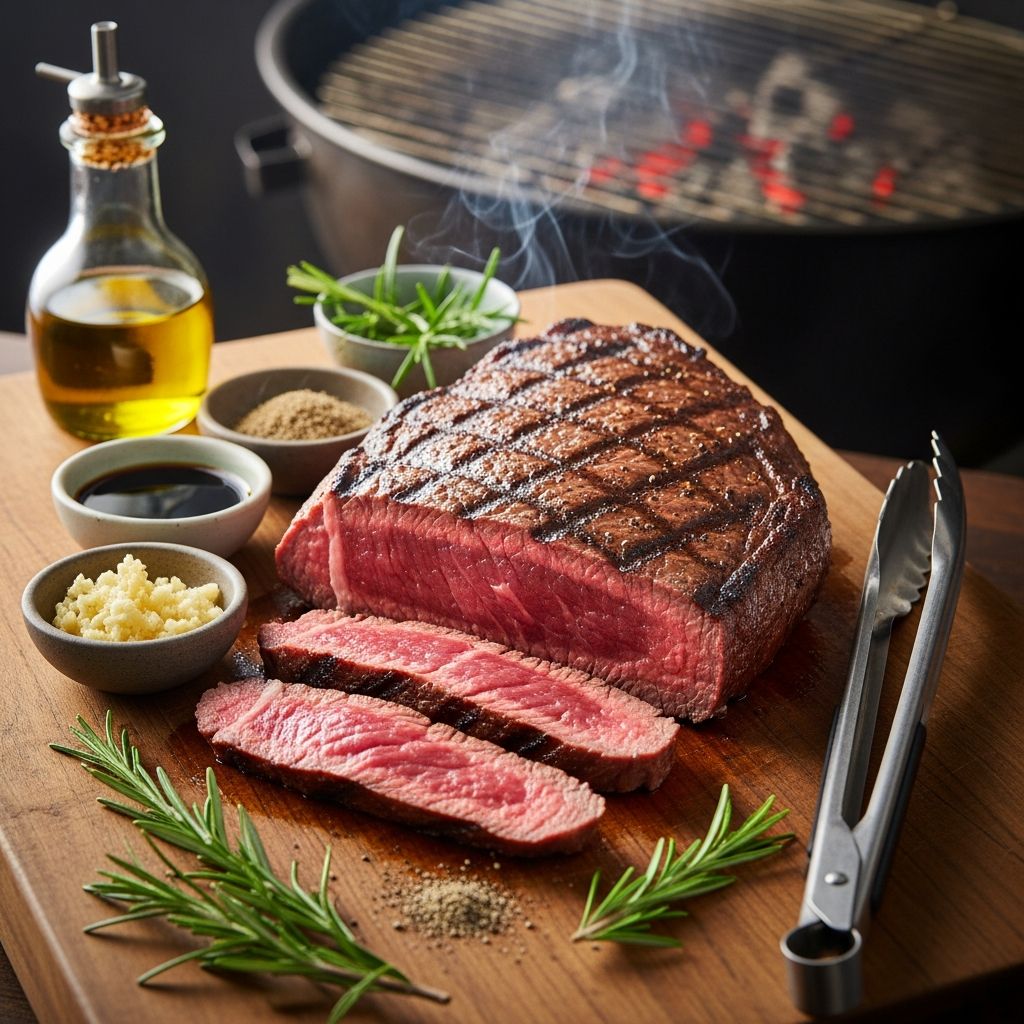
Flank steak represents one of the most versatile and budget-friendly cuts of beef available to home cooks. Often overlooked in favor of premium cuts, this lean muscle delivers exceptional flavor and texture when properly prepared. The key to unlocking its full potential lies in understanding marinade chemistry and precise grilling methodology. Whether you’re planning a weeknight dinner or impressing guests at a summer gathering, mastering the art of marinated grilled flank steak elevates your culinary repertoire significantly.
Understanding Flank Steak as a Culinary Canvas
Flank steak originates from the abdominal muscles of the beef, a well-exercised area that develops distinct grain patterns and robust beef flavor. Unlike tender premium cuts, flank steak requires strategic preparation to achieve optimal tenderness and juiciness. The muscle structure contains significant connective tissue, which breaks down through marinating and proper slicing technique.
The lean nature of flank steak means it contains minimal intramuscular fat, making it susceptible to drying out during cooking. This characteristic makes the marinating process particularly critical, as the liquid components penetrate the meat fibers, introducing moisture and flavor while enzymatic components begin breaking down collagen and muscle proteins. Understanding these principles allows you to approach marinade composition with scientific precision rather than guesswork.
The Science of Effective Marinades
A successful marinade contains three fundamental components working in concert: acidic elements, flavorful aromatics, and fat-based carriers. Each component serves a distinct purpose in transforming the meat’s texture and taste profile.
Acidic Components and Enzymatic Breakdown
Acidic ingredients like vinegar, citrus juices, and wine penetrate meat fibers, causing the proteins to denature and relax. This process doesn’t simply soften the surface; the acid works throughout the muscle tissue. Red wine vinegar, white vinegar, apple cider vinegar, balsamic vinegar, lime juice, and lemon juice all contribute unique flavor dimensions while serving this tenderizing function. The acidity level should balance between effectiveness and preventing over-marinating, which can result in mushy exterior texture.
Aromatic Flavor Building Blocks
Garlic, fresh herbs, and spices constitute the aromatic foundation of compelling marinades. Minced or sliced garlic cloves dissolve into the liquid base, infusing throughout the meat. Fresh cilantro brings brightness and herbal notes, while traditional dried spices like paprika, cumin, oregano, and cayenne pepper add depth and complexity. Soy sauce and Worcestershire sauce contribute umami qualities—savory notes that enhance meat’s natural richness and create more satisfying eating experiences.
Fat-Based Carriers and Flavor Integration
Olive oil serves multiple functions within marinades. It carries fat-soluble flavor compounds deeper into meat tissue, creates protective barrier against excessive moisture loss during grilling, and facilitates even distribution of other marinade components. Sesame oil contributes nutty flavor notes and enhances Asian-inspired marinade profiles, while standard vegetable oil provides neutral carrier properties.
Core Marinade Composition Strategies
Different flavor profiles emerge from varying marinade foundations, each offering distinct culinary experiences. Understanding these foundational approaches enables customization based on available ingredients and personal preferences.
Asian-Inspired Approach
Soy sauce serves as the foundation for Asian-influenced marinades, typically combined with garlic, ginger, brown sugar, and white wine or rice vinegar. This combination creates balanced sweet-savory-umami flavor profiles that complement beef’s natural richness. Toasted sesame oil adds authentic Asian character, while red pepper flakes introduce subtle heat. Marinating timeframes of 4-8 hours allow flavors to penetrate adequately without causing texture degradation.
Mediterranean and Citrus-Forward Profiles
Fresh cilantro, lime juice, and red wine vinegar combine with olive oil, cumin, and smoked paprika to create vibrant Mediterranean marinades. This approach emphasizes brightness and herbaceous notes rather than heavy umami. The citrus acidity works efficiently, requiring only 1-3 hours of marinating time for optimal flavor penetration without over-processing the meat’s structure.
Classic American Steakhouse Style
Worcestershire sauce, red wine, honey, and mustard create traditional American marinade profiles. These combinations emphasize rich, savory notes with slight sweetness from honey balancing the sharp Worcestershire bite. This approach requires 2-12 hours of marinating time, offering flexibility for various scheduling needs.
Step-by-Step Marinade Preparation and Application
Success begins with precise preparation methodology before the meat ever encounters the marinade.
Ingredient Combination Sequence
- Combine all liquid components (vinegar, citrus, soy sauce, wine) in a medium bowl or food processor
- Add aromatic components (minced garlic, fresh herbs, spices) to the liquid base
- Whisk thoroughly or blend until spices fully dissolve and herb flavors distribute evenly
- Slowly incorporate oil component while whisking continuously to create emulsion
- Taste and adjust seasoning before introducing meat
Container Selection and Meat Application
Shallow glass dishes and heavy-duty plastic storage bags both function effectively for marinating. Plastic bags offer space efficiency and ensure complete meat contact with marinade liquid. Whichever container you select, ensure the flank steak sits completely submerged or at least entirely coated. Massage the marinade into the meat’s surface using your hands to encourage penetration into the grain structure. This manual application significantly enhances flavor absorption compared to passive soaking.
Refrigeration Duration Guidelines
Minimum marinating time varies by acidic strength and personal preference. Asian-based marinades with strong soy sauce foundations typically achieve optimal flavor at 4-8 hours. Citrus-forward Mediterranean approaches become satisfactory at 1-3 hours. Classic American steakhouse marinades perform best with 2-12 hours of refrigeration. Overnight marinating remains universally acceptable and convenient for advance meal planning. Extended marinating beyond 24 hours may result in over-processed exterior texture and mushy bite, particularly with vinegar-heavy compositions.
Grilling Methodology for Peak Results
Proper grilling technique determines whether your carefully marinated steak achieves restaurant-quality results or disappoints through overcooking or inadequate searing.
Pre-Grilling Preparation
Remove marinated flank steak from refrigeration 15-20 minutes before grilling begins. This tempering period allows the meat to approach room temperature, enabling more even cooking throughout the thickness. Cold meat placed directly on hot grill surfaces cooks unevenly, with exterior searing before interior reaches target temperature. Pat the steak surface dry using paper towels—surface moisture inhibits proper browning and creates steam rather than the flavorful crust that develops through the Maillard reaction.
Season liberally with kosher salt and freshly cracked black pepper immediately before grilling. Despite marinade seasoning, additional salt enhances the crust development and flavor concentration. Reserve some marinade if you plan to use it as a finishing sauce, ensuring you keep uncontaminated portions separate from raw meat.
Grill Temperature and Surface Preparation
Preheat your grill to medium-high heat (approximately 375-400 degrees Fahrenheit) for 15-20 minutes before cooking begins. This extended preheat time allows grates to reach consistent temperature across all surfaces. Oil grates using high-heat oil (vegetable or canola) applied with an oil-soaked rag—this prevents sticking and promotes browning. Never oil cold grates, as the oil smokes away before reaching optimal temperature.
Grilling Timing and Technique
Place the steak on the hottest part of the grill and resist the urge to move it. Leave undisturbed for 4-5 minutes to allow the Maillard reaction to develop the flavorful brown crust. Flip the steak only once and grill the opposite side for 3-5 minutes, adjusting based on thickness and desired doneness. For a 1-2 pound flank steak, this methodology typically yields medium-rare (130-135°F internal temperature), the recommended doneness for this cut. Use an instant-read thermometer inserted horizontally into the thickest section to verify temperature, as visual assessment frequently proves unreliable.
Critical Post-Grilling Procedures
What happens after the steak leaves the grill significantly impacts the final eating experience. Remove the steak from heat and transfer to a cutting board or warm plate. Tent loosely with aluminum foil—this maintains temperature while allowing residual steam to escape, preventing the exterior from becoming soggy. Resting periods of 5-10 minutes allow muscle fibers to relax and reabsorb internal juices, preventing excessive moisture loss when slicing.
Slice flank steak exclusively against the grain—this cuts through the long muscle fibers rather than along them, dramatically increasing perceived tenderness. Cutting with the grain results in chewy, unpleasant texture despite perfect cooking and marinating. Identify the grain direction before slicing (it typically runs diagonally across the steak’s width) and position your knife perpendicular to those fibers.
Troubleshooting Common Challenges
| Issue | Cause | Solution |
|---|---|---|
| Dry, tough texture | Overcooking beyond medium-rare; insufficient marinating time | Use thermometer for accuracy; increase marinade duration; consider tenderizing hammer before marinating |
| Mushy exterior | Over-marinating with strong acids; excessive handling during grilling | Limit marinade time to 12 hours maximum; minimize flipping; use oil-based marinades for extended periods |
| Uneven cooking | Cold meat from refrigerator; inconsistent grill temperature; excessive moving | Temper meat 15-20 minutes before grilling; preheat thoroughly; avoid flipping more than once |
| Bland flavor despite marinade | Insufficient marinating time; weak marinade components | Increase acid and aromatic concentrations; extend marinating to overnight; taste marinade before application |
| Sticking to grates | Inadequate surface oiling; insufficient temperature | Oil grates immediately before grilling; ensure grates reach medium-high temperature; avoid moving steak prematurely |
Flavor Variation Possibilities
Once you understand foundational marinade principles, endless customization opportunities emerge. Substitute lime for lemon in citrus-based recipes, incorporate fresh ginger for Asian profiles, add chipotle peppers in adobo sauce for smoky-spicy notes, or experiment with horseradish for sharp, distinctive character. Coffee or espresso powder adds subtle depth to American steakhouse-style marinades, while balsamic vinegar brings elegant complexity to any profile. Personal preference and available ingredients guide experimentation toward your ideal flavor destination.
Serving Suggestions and Accompaniments
Grilled flank steak pairs beautifully with fresh salads, grilled vegetables, baked potatoes, and grain-based sides. Preserve reserved marinade (kept separate from raw meat contact) to drizzle over sliced steak as a finishing sauce. Fresh herb garnishes like cilantro, parsley, or chives add visual appeal and complementary flavor notes. Serve at room temperature or slightly warm—the natural juices concentrate as the meat cools slightly, delivering maximum flavor impact with each bite.
Planning and Advance Preparation
Flank steak’s compatibility with advance preparation makes it ideal for busy households and entertaining scenarios. Prepare and apply marinade up to 24 hours before grilling, storing in refrigerator until cooking time arrives. This flexibility allows you to attend to other entertainment preparations while flavors develop unattended. Remove from refrigeration 15-20 minutes before firing up the grill, and dinner reaches completion in approximately 10 minutes of active grilling time.
Frequently Asked Questions
How long should flank steak marinate?
Optimal marinating duration varies by marinade composition. Asian-based marinades with soy sauce typically need 4-8 hours. Citrus-forward marinades achieve flavor at 1-3 hours. American steakhouse-style marinades work best with 2-12 hours. Overnight marinating remains universally acceptable and convenient for advance planning.
Can I freeze marinated flank steak?
Yes, freezing marinated flank steak preserves flavor effectively. Marinate first, then transfer to freezer-safe bags or containers. Frozen marinated steak keeps for up to three months. Thaw in refrigerator overnight before grilling. Flavors may intensify slightly during freezing as the marinade continues penetrating during thaw cycles.
What’s the difference between flank and skirt steak?
Flank steak comes from the abdominal muscles and contains visible grain patterns. Skirt steak originates from the diaphragm and features coarser grain structure. Both benefit from marinating and must be sliced against the grain. Flank steak typically costs less and remains more widely available in standard grocery stores.
Can I use this marinade for other cuts of beef?
Absolutely. These marinating techniques work excellently with sirloin, hanger steak, skirt steak, and even thicker cuts like ribeye or strip steak. Adjust cooking times based on thickness and desired doneness. Premium cuts may require less marinating time to avoid over-processing their naturally tender structure.
How do I know when flank steak is done?
Use an instant-read thermometer for accuracy. Rare registers 125°F, medium-rare 130-135°F (recommended for flank steak), medium 135-145°F, and well-done 145°F+. Remember that temperature continues rising slightly as the steak rests, so remove slightly below target temperature and rest tented loosely with foil.
References
- USDA Food Composition Database: Beef, Flank, All Cuts, Cooked — United States Department of Agriculture. 2024. https://fdc.nal.usda.gov
- The Maillard Reaction: A Chemical Perspective — McGee, Harold. Wiley-Blackwell. 2004. doi:10.1038/nature03313
- Food Safety Guidelines for Beef Cooking Temperatures — Centers for Disease Control and Prevention. 2024-03-15. https://www.cdc.gov/foodsafety/
- Enzymatic Protein Breakdown in Marinade Systems — Journal of Food Science and Technology. 2022. doi:10.1007/s13197-021-05215-0
- Culinary Cooking Methods and Muscle Protein Structure — America’s Test Kitchen Research & Education. 2023. https://www.americastestkitchen.com
Similar Articles





Read full bio of Sneha Tete