European Secrets for Superior Sandwiches
Unlock the continental techniques that transform everyday sandwiches into gourmet delights with fresh ingredients and smart assembly.
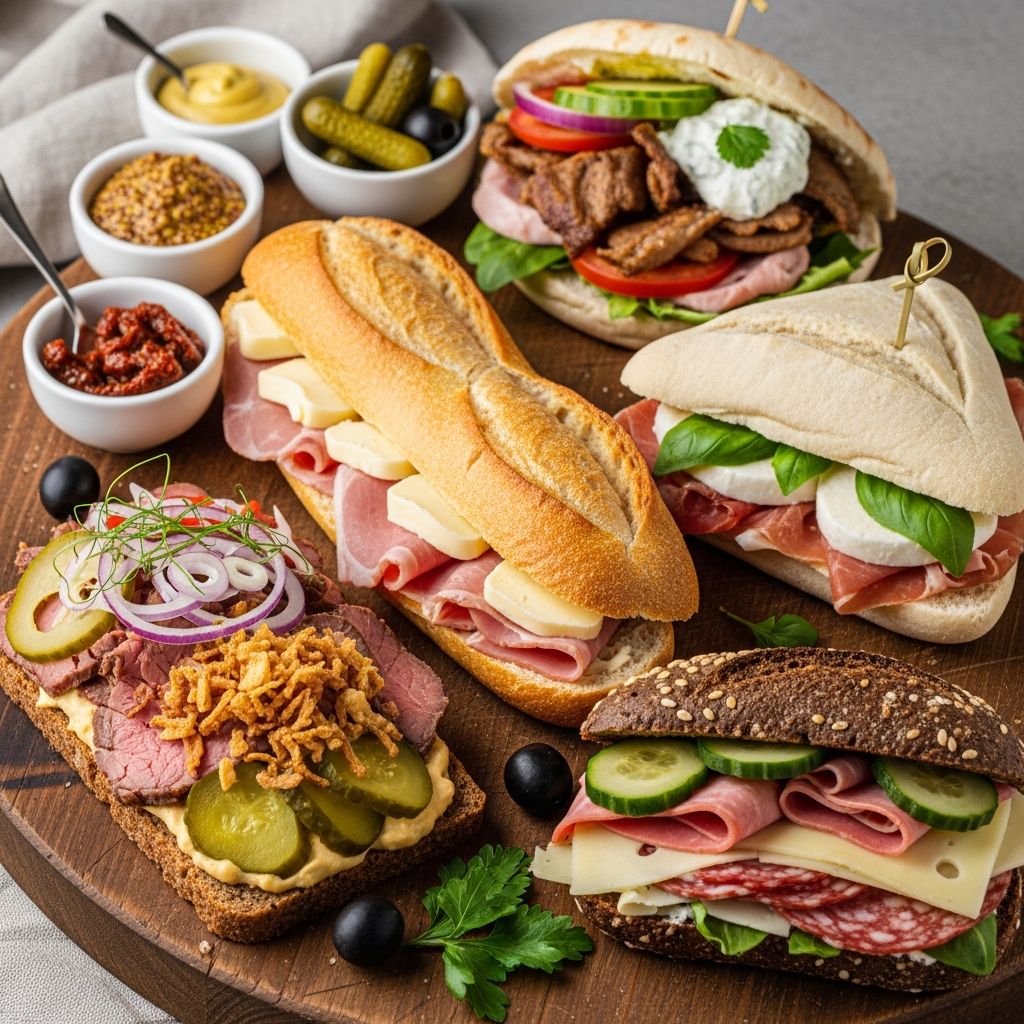
Across Europe, sandwiches transcend basic handheld meals, becoming artful compositions of bread, spreads, proteins, and garnishes. From Denmark’s elegant open-faced platters to France’s butter-drenched baguettes, these creations emphasize quality ingredients, precise layering, and techniques that maximize flavor harmony. This guide delves into the core principles, recipes, and pro tips drawn from continental traditions to elevate your sandwich game.
Why European Sandwiches Stand Out
European sandwich styles prioritize balance and aesthetics over portability. Open-faced designs, like Denmark’s smørrebrød, showcase ingredients atop sturdy rye or pumpernickel, allowing each layer to shine without sogginess. In France, crusty baguettes paired with cultured butter create a textural contrast that’s both simple and sublime. These methods focus on fresh, high-quality components—think thinly sliced cured meats, artisanal cheeses, and vibrant pickled vegetables—ensuring every bite delivers complexity.
Key advantages include better ingredient visibility, controlled moisture, and enhanced flavors through butters infused with herbs or spices. Unlike stacked American subs, these avoid bread compression, preserving crunch and freshness.
Mastering the Open-Faced Sandwich Technique
Open-faced sandwiches, prevalent in Northern Europe, rest toppings on a single bread slice, turning lunch into a visual feast. This format prevents sogginess by minimizing bread-to-filling contact and allows for artistic arrangements.
- Choose sturdy bases: Dark rye, pumpernickel, or baguette slices provide structure.
- Start with a barrier spread: Generous butter or cream layers seal the bread.
- Layer strategically: Proteins first, then veggies and herbs for height and color.
- Garnish boldly: Sliced radishes, dill, or shallots add crunch and pop.
This approach, rooted in Danish smørrebrød traditions, dates back to peasant meals but now graces fine dining.
Iconic Danish Smørrebrød Variations
Smørrebrød, meaning “butter and bread,” exemplifies Danish ingenuity. Buttered rye bread supports diverse toppings, served as lunch staples or party fare.
Smoked Salmon Smørrebrød
A luxurious yet simple build: Mix softened salted butter with cracked pepper and capers. Spread thickly on baguette or rye slices, then layer cold-smoked salmon. Top with thin shallot rings, lemon slices, radish matchsticks, and dill fronds. A final lemon squeeze brightens the rich fish.
Roast Beef with Horseradish
Blend mayonnaise, sour cream, grated garlic, prepared horseradish, salt, and pepper for a zesty cream. Slather on pumpernickel, add thin roast beef slices, and finish with cornichon halves, crispy fried shallots, and baby arugula. The heat cuts through the beef’s savoriness.
Egg Salad and Pickled Herring
Combine mayonnaise, Dijon mustard, chives, salt, and pepper with chopped boiled eggs. Spoon onto dark rye, crown with an egg wedge, sliced pickled herring, red onion rings, more chives, and sprouts. This nods to Nordic seafood love.
Pro tip: Boil eggs in simmering water for 9 minutes, then ice-bath for easy peeling.
French Baguette Mastery
French sandwiches celebrate the baguette’s crisp exterior and airy crumb. Butter is king, often paired with ham or tuna for everyday elegance.
Jambon Beurre Classic
Slice a fresh baguette lengthwise. Generously apply softened, high-quality butter (cultured or grass-fed preferred) to both halves. Layer French-style ham and thin Emmental or Gruyère triangles. Optional: Add arugula leaves or cornichon halves. Press and slice into portions.
| Ingredient | Quantity |
|---|---|
| Baguette | 1 fresh |
| Butter | 3 tbsp softened |
| Ham | 1/2 lb sliced |
| Cheese | 1/2 lb Emmental/Gruyère |
Chèvre and Tomato Delight
Butter the baguette, layer peppery arugula and ham, then alternate tomato slices with goat cheese rounds. Dust with herbes de Provence. Press firmly.
Pan Bagnat: The Weighted Wonder
This Niçoise-inspired sandwich soaks up Mediterranean flavors. Fill baguette with tuna (or skip), olives, tomatoes, onions, artichokes, basil, and vinaigrette. Wrap tightly, weight down with a skillet or books for 2-24 hours. The bread absorbs juices, creating a unified, juicy profile. Warm gently if needed.
Southern European Hearty Fillings
Portugal’s francesinha packs punch: Layers of salami, veal, chorizo, and cheese in sandwich bread, topped with fried egg and melted cheese, drowned in beer sauce. Inspired by French croque madame, it’s Porto’s bar-food icon.
Italy’s schiacciata features pecorino cream (butter, flour, milk, grated Pecorino Romano) on focaccia-like bread with mortadella or prosciutto. France’s croque monsieur uses Mornay sauce (Béchamel with Gruyère, Parmesan, nutmeg) on pain de mie with ham, grilled until golden.
Essential Ingredients and Substitutions
Success hinges on premium staples:
- Bread: Crusty baguettes, dense ryes—avoid soft loaves.
- Butter: Salted, cultured for tang; infuse with capers or herbs.
- Proteins: Cured ham, smoked salmon, roast beef, pickled herring.
- Cheese: Gruyère, Emmental, Pecorino, goat—sharp and melty.
- Acid/Pickle: Cornichons, radishes, lemon, mustard for balance.
Substitutes: Vegan butter for dairy-free; turkey for beef; aquafaba mayo for eggs.
Step-by-Step Assembly Guide
- Prep bread: Slice evenly; for baguettes, nearly-through cuts.
- Apply spread: Butter or cream generously as moisture barrier.
- Build layers: Heavy items low, delicate on top.
- Season & garnish: Herbs, spices, squeezes of citrus.
- Rest or press: Open-faced: Serve immediately; closed: Weight for fusion.
Common Mistakes to Avoid
- Overloading: Keep heights manageable for eating.
- Skimping on butter: It’s the flavor foundation.
- Ignoring temperature: Room-temp ingredients meld best.
- Poor bread: Stale or soft ruins texture.
Pairing and Serving Suggestions
Serve smørrebrød with aquavit or beer; French styles with crisp whites. Picnic-ready: Wrap in parchment. For parties, arrange open-faced on platters.
FAQ
What makes European sandwiches better?
They use superior bread, ample butter, and techniques like open-facing or pressing for optimal taste and texture.
Can I make these vegetarian?
Yes—swap meats for grilled veggies, eggs, or cheeses like chèvre and mozzarella.
How long does pan bagnat last?
Up to 24 hours weighted; refrigerate if longer, then warm to room temp.
Best bread for smørrebrød?
Dark rye or pumpernickel for density.
Is cultured butter necessary?
It adds tang, but regular salted works; elevate with grass-fed.
Advanced Twists for Home Chefs
Experiment: Add truffle butter to jambon beurre or furikake to salmon smørrebrød. Grill for croque-style crunch. These traditions invite personalization while honoring roots.
References
- 3 European-Style Open-Faced Sandwiches | Food. Friends. Family. — YouTube/Cityline. 2023. https://www.youtube.com/watch?v=MjSq5I-EQvU
- Cooking and Ranking Every Sandwich In Western Europe — YouTube. 2023. https://www.youtube.com/watch?v=KLHMkBJyOPQ
- 3 Classic French Baguette Sandwiches — Unpeeled Journal. 2023-10-15. https://unpeeledjournal.com/3-classic-french-baguette-sandwiches-lunch/
- World sandwiches: 20 recipes to try — Gambero Rosso International. 2023. https://www.gamberorossointernational.com/news/sandwiches-of-the-world-typical-recipes-to-try/
Similar Articles




Read full bio of Sneha Tete