Dominican Mangú: Mashed Plantains Breakfast
Discover the comforting flavors of Dominican Mangú, a creamy mashed plantain dish topped with eggs, onions, and more for an authentic breakfast experience.
Dominican Mangú: The Ultimate Mashed Plantains Breakfast Guide
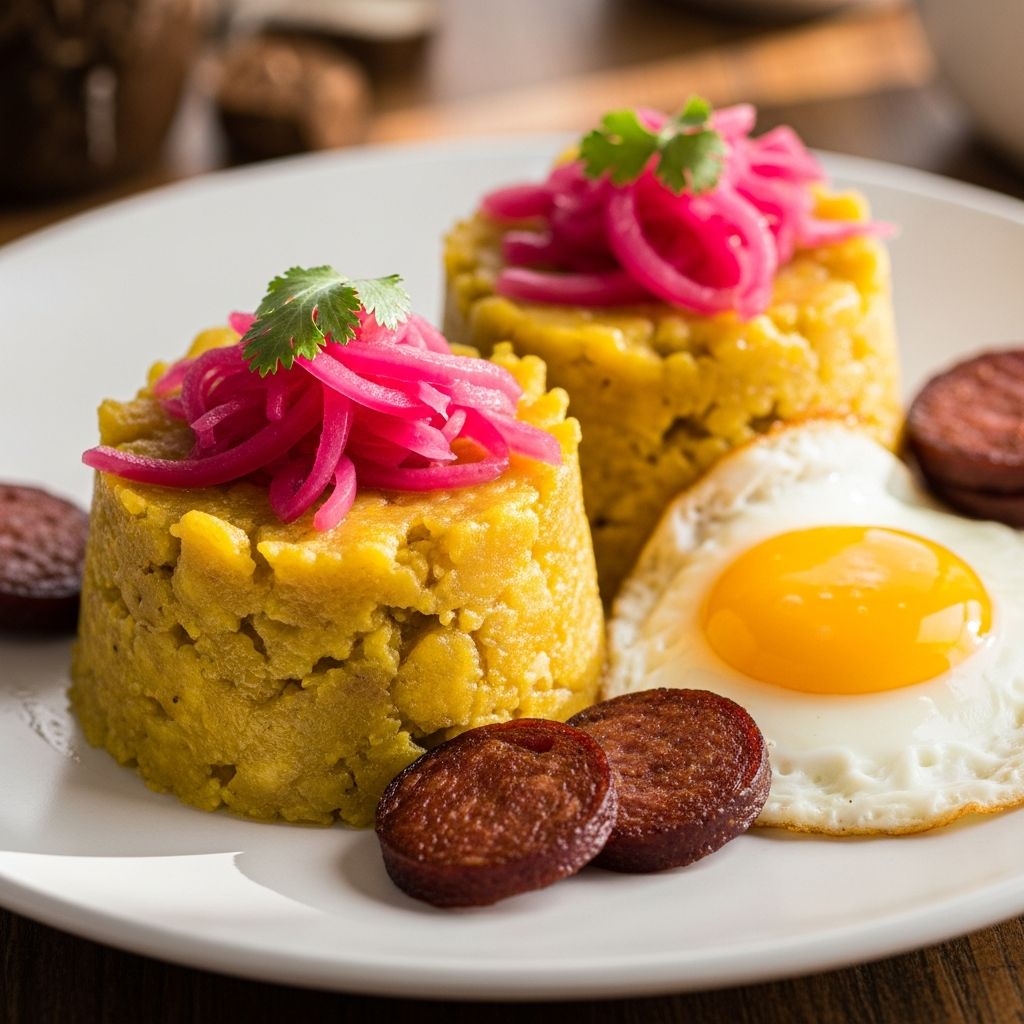
Mangú, or mashed plantains, stands as a cornerstone of Dominican cuisine, particularly cherished as a breakfast staple. This dish transforms unripe green plantains into a velvety, comforting base that’s often paired with fried eggs, tangy pickled onions, and hearty additions like salami or cheese. Known locally as part of los tres golpes—the three hits—this meal delivers bold flavors and sustenance to start the day right.
Origins and Cultural Importance of Mangú in Dominican Life
Mangú traces its roots deep into Dominican history, blending African, Taíno indigenous, and Spanish influences that define the island’s culinary identity. Plantains, introduced by Spanish colonizers, became a versatile staple due to their abundance and ability to sustain large populations. The mashing technique echoes West African fufu, adapted with local twists using boiling water and fats for creaminess.
In everyday Dominican culture, Mangú symbolizes home and family. It’s a weekend ritual, served in comedores (small eateries) or homes across Santo Domingo to Santiago. The name ‘Mangú’ reportedly stems from a humorous Marine Corps tale during the U.S. occupation, when soldiers exclaimed ‘Man, give me some!’ upon tasting the dish—though food historians debate this, emphasizing its pre-occupation African roots. Today, it’s more than food; it’s a vessel for community, often enjoyed during celebrations or as a remedy for hangovers with its starchy richness.
Key Ingredients for Authentic Mangú
Selecting the right components ensures your Mangú captures true Dominican essence. Focus on fresh, green plantains for a neutral, starchy texture—no yellow or ripe ones, as they introduce unwanted sweetness.
- Green plantains: 3-5 large ones, firm and unblemished, peeled and cut into chunks.
- Salt: Generous amounts for boiling water to enhance flavor.
- Butter or oil: Unsalted butter (2-4 tbsp) or olive oil for mashing and richness.
- Water: Reserved from boiling (½-1 cup) to achieve smooth consistency.
- Red onions: 1-2 thinly sliced, for pickling with white vinegar.
- Eggs: 2-4 fresh, fried over-easy for runny yolks.
- Optional tres golpes add-ons: Dominican salami, queso frito (frying cheese), avocado slices.
These ingredients are affordable and widely available, making Mangú accessible yet indulgent.
Step-by-Step Guide to Preparing Classic Mangú
Mastering Mangú requires attention to texture—aim for mashed potato-like smoothness without gumminess. Total time: about 45 minutes for 4 servings.
Prep the plantains: Peel by scoring skin lengthwise and soaking in warm salted water for 10 minutes to ease removal. Cut into 1-2 inch pieces.
Boil: Cover with cold salted water in a large pot. Bring to boil, then simmer 25-30 minutes until fork-tender but not mushy. Reserve 1 cup cooking water.
Mash: Drain plantains, return to pot over low heat. Add 2 tbsp butter/oil, ½ cup reserved water, and salt/pepper. Mash vigorously with a fork or potato masher until lump-free, adding more water if needed.
Pickle onions: Slice red onion thin, soak in ½ cup vinegar + pinch salt for 5 minutes. Drain, sauté in 1 tbsp oil until translucent (4-5 minutes).
Fry eggs and proteins: In the same pan, fry eggs sunny-side up or over-easy (3-4 minutes). For tres golpes, fry salami slices and queso frito until crispy.
Assemble: Mound hot Mangú on plates, top with egg, onions, salami, cheese, and avocado. Season to taste.
Pro tip: Mash while hot for best creaminess; cold plantains toughen.
Variations and Modern Twists on Mangú
While traditional Mangú sticks to basics, creative adaptations keep it fresh. Here’s a comparison of styles:
| Variation | Key Changes | Best For |
|---|---|---|
| Classic Tres Golpes | Salami, queso frito, eggs, onions | Authentic Dominican brunch |
| Vegetarian | Avocado, fried eggs, extra onions | Meat-free mornings |
| Ripe Plantain | Yellow plantains for subtle sweetness | Dessert-like twist |
| Mangú con Los Tres Golpes Plus | Add grilled sausage or bacon | Hearty family meals |
For vegan versions, swap butter for coconut oil and eggs for tofu scramble. Milk can replace water for extra creaminess, a common home hack. Pair with strong Dominican coffee or fresh tropical juices.
Nutritional Profile and Health Benefits
Mangú offers resistant starch from green plantains, aiding digestion and blood sugar control—ideal for sustained energy without spikes. A serving (1 plantain base + toppings) provides roughly 400-600 calories: high in potassium (like bananas), fiber, and vitamins A/C from plantains and avocado. Proteins from eggs/salami boost satiety. Balance with portion control, as it’s carb-dense.
- Plantains: Low glycemic index, prebiotic fiber.
- Eggs: Complete protein, healthy fats.
- Onions: Antioxidants from pickling.
Consult dietary needs; it’s naturally gluten-free.
Pairing Suggestions and Serving Ideas
Elevate Mangú beyond breakfast:
- Beverages: Café con leche, fresh orange juice, or batida de lechosa (papaya smoothie).
- Sides: Tostones (fried plantain slices), fresh mango.
- Occasions: Brunch parties, post-workout fuel, holiday mornings.
Serve family-style from a large platter for sharing.
Frequently Asked Questions (FAQs)
What makes green plantains essential for Mangú?
Green plantains are starchy and neutral, preventing sweetness that ripe ones bring. They mash smoothly when boiled properly.
Can I make Mangú ahead of time?
Yes, prepare base up to 2 days ahead; reheat with splash of water. Fry toppings fresh.
What’s the difference between Mangú and mashed potatoes?
Mangú uses plantains for tropical flavor and firmer texture; no dairy needed traditionally.
How do I peel plantains easily?
Score skin, boil briefly, or use warm water soak.
Is Mangú spicy?
No, it’s savory; add hot sauce like Dominican sazón for heat.
Tips for Perfect Mangú Every Time
- Use a sturdy masher; electric mixer overworks.
- Don’t overboil—tender, not falling apart.
- Season boiling water heavily.
- Experiment with garlic or herbs in mash.
- Store leftovers in fridge up to 3 days.
With practice, Mangú becomes intuitive, rewarding with its simple yet profound taste.
References
- Mashed Plantains with Fried Eggs (Mangú de Plátanos) — Patient.info. Accessed 2026. https://patient.info/recipes/vegetarian-recipes/mashed-plantains-with-fried-eggs-mang-de-pltanos
- Mashed Plantains With Fried Eggs (Mangú de Plátanos) Recipe — RecipeNotes.app. Accessed 2026. https://recipenotes.app/recipes/aa701624-5617-42e1-ad2c-d2d62d6eb2e2
- Mangu, Tres Golpes Dominican Breakfast — Siriusly Hungry. Accessed 2026. https://siriuslyhungry.com/mangu-golpes-dominican-breakfast/
- Mangu (Dominican Mashed Plantains) — My Dominican Kitchen. Accessed 2026. https://mydominicankitchen.com/mangu-dominican-mashed-plantains/
Similar Articles



Read full bio of Sneha Tete