Does Vinegar Expire?
Discover the surprising truth about vinegar's longevity, safe storage tips, and when to replace it for optimal flavor and use.
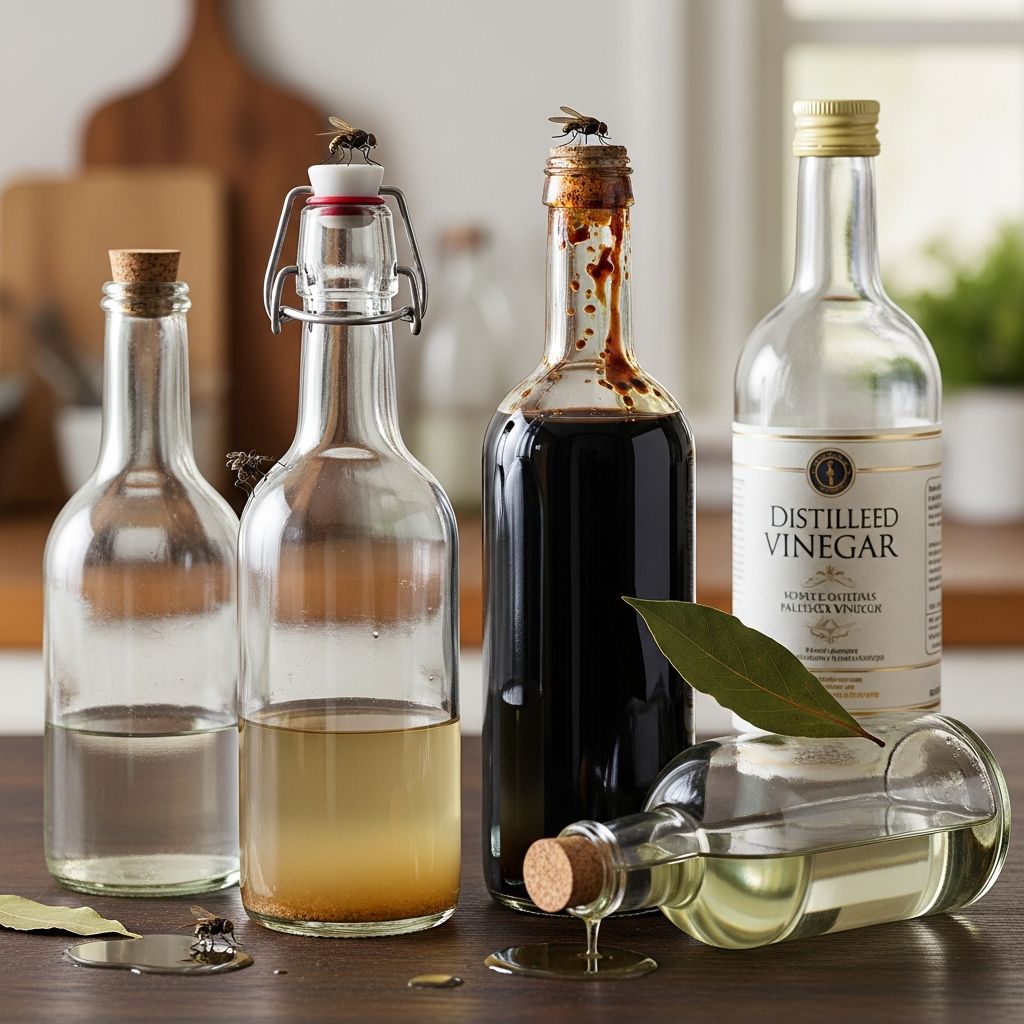
Vinegar does not expire in the traditional sense due to its high acidity, which makes it self-preserving and safe for indefinite use under proper conditions.
The Science Behind Vinegar’s Exceptional Durability
Vinegar’s remarkable longevity stems from its primary component, acetic acid, a stable compound formed through double fermentation: first sugars convert to alcohol via yeast, then alcohol transforms into acetic acid by bacteria. This acidity, typically 4-5% in commercial products, creates an inhospitable environment for harmful pathogens, rendering refrigeration unnecessary.
White distilled vinegar, derived from distilled grain alcohol, remains virtually unchanged over time because it contains minimal organic matter prone to degradation. Other varieties, such as apple cider, balsamic, wine, rice, or malt vinegars, include more complex ingredients like fruit residues or flavorings, which can lead to gradual aesthetic alterations without compromising safety.
Understanding ‘Best By’ Dates on Vinegar Bottles
The “best by” date on vinegar labels indicates peak quality rather than safety, usually set two years from production by manufacturers. This conservative estimate accounts for potential flavor fading in non-distilled types. Vinegar remains safe beyond this date, as confirmed by industry studies showing no microbial growth risks.
Visual Changes: What They Mean and How to Handle Them
Over time, especially after opening, vinegars may exhibit changes that alarm users but pose no health risks. Here’s a breakdown:
- Cloudiness: Caused by exposure to air introducing harmless vinegar bacteria (Acetobacter), resulting in a milky appearance. This does not alter taste or safety; strain through a coffee filter to clarify.
- Sediment: Particles from unfiltered vinegars settle at the bottom. Common in natural products like balsamic or apple cider vinegar. Shake gently or filter before use.
- Vinegar Mother: A gelatinous, cellulose-based blob formed by bacteria feeding on residual sugars or alcohol. Not spoilage—it’s the culture used in raw, unpasteurized vinegars. Remove by straining; some repurpose it for homemade batches.
- Color Shifts: Darkening or browning in fruit-based vinegars due to oxidation. Purely cosmetic; flavor may mellow but remains usable.
These transformations are accelerated by improper storage but never indicate spoilage. If vinegar smells off (beyond its sharp tang) or shows mold—rare due to acidity—discard it.
Optimal Storage Practices for Maximum Longevity
To preserve vinegar’s quality indefinitely, follow these guidelines:
| Factor | Recommendation | Reason |
|---|---|---|
| Temperature | Cool, dark cupboard (below 70°F/21°C) | Heat accelerates chemical reactions in flavored vinegars. |
| Light | Away from direct sunlight | UV rays can degrade colors and flavors. |
| Container | Original glass/plastic or non-reactive materials | Prevents reactions with metals. |
| Lid | Tightly sealed after each use | Minimizes oxygen exposure, reducing mother formation. |
| Humidity | Dry storage area | Excess moisture dilutes acidity, risking safety for pickling. |
Avoid fridge storage, as condensation can introduce water, potentially lowering acidity below safe levels for preservation tasks.
Safety for Culinary and Preservation Uses
For general cooking, salad dressings, or marinades, any aged vinegar with 5% acidity is safe, regardless of appearance—filter if needed. However, for canning and pickling, where precise acidity prevents botulism, use fresh, clear vinegar:
- Verify 5% acidity label.
- Avoid cloudy, sediment-heavy, or mother-containing bottles to prevent off-flavors or discoloration in preserves.
- Discard if condensation inside indicates dilution.
Homemade vinegar requires acidity testing (at least 4-5%) before pickling; commercial products are standardized and reliable.
Repurposing Aged Vinegar: Beyond the Kitchen
When flavor changes make culinary use unappealing, repurpose older vinegar creatively:
- Cleaning: Cuts grease on counters, dissolves mineral deposits in kettles, and disinfects surfaces thanks to acetic acid’s antimicrobial properties.
- Laundry: Softens fabrics, removes stains, and neutralizes odors when added to rinse cycles.
- Gardening: Controls weeds (diluted) or cleans tools.
- Health and Beauty: As a toner or hair rinse (diluted), leveraging its astringent qualities.
These non-food applications tolerate aesthetic flaws perfectly.
Types of Vinegar and Their Specific Shelf Behaviors
Different vinegars age uniquely:
| Vinegar Type | Shelf Life Expectation | Common Changes | Best Uses Post-Change |
|---|---|---|---|
| White Distilled | Indefinite, unchanged | None | Cooking, cleaning |
| Apple Cider | 2-3 years peak; indefinite safe | Mother, sediment | Dressings, health tonics, cleaning |
| Balsamic | 2-3 years peak | Thickening, darkening | Reductions, marinades, cleaning |
| Red/White Wine | 2-3 years peak | Color fade, haze | Sauces, pickling |
| Rice | 2-3 years peak | Slight sediment | Asian dishes, sushi |
Source: Synthesized from shelf life data.
Historical Context: Vinegar’s Timeless Role
Dating back over 10,000 years, vinegar originated from fermented fruits and grains, serving as a staple condiment, preservative, and medicine in ancient civilizations. Its stability made it ideal for long voyages and storage, a trait that persists today.
Frequently Asked Questions (FAQs)
Can I use expired vinegar for pickling?
Yes, if it’s clear, 5% acidic, and shows no dilution signs. Fresh is preferable for flavor.
Is vinegar mother safe to consume?
Yes, it’s harmless cellulose from bacteria; strain it out or use in new batches.
Does vinegar need refrigeration?
No, its acidity self-preserves it at room temperature.
What if my vinegar smells strange?
Rare, but if not just acetic sharpness, discard to be safe.
Can I make vinegar from old wine?
Yes, but test acidity before food use, especially pickling.
Debunking Vinegar Myths
Myths like “vinegar goes bad like milk” persist due to visible changes, but science confirms its stability. Unlike perishables, vinegar’s low pH (2.4-3.4) inhibits spoilage organisms.
In summary, vinegar’s near-eternal shelf life makes it a pantry hero. Monitor for safe pickling, store wisely, and embrace changes or repurpose boldly. This versatile liquid continues delighting and disinfecting for generations.
References
- Vinegar Shelf Life and Safety — Iowa State University Extension and Outreach. 2023-10-15. https://www.extension.iastate.edu/wayne/vinegar-shelf-life-and-safety
- FAQs – Vinegar Institute — Vinegar Institute. 2024-01-22. https://versatilevinegar.org/faqs/
Similar Articles




Read full bio of medha deb