Does Mustard Expire?
Uncover the truth about mustard's longevity, spoilage signals, and smart storage to keep your favorite condiment fresh for months or years.
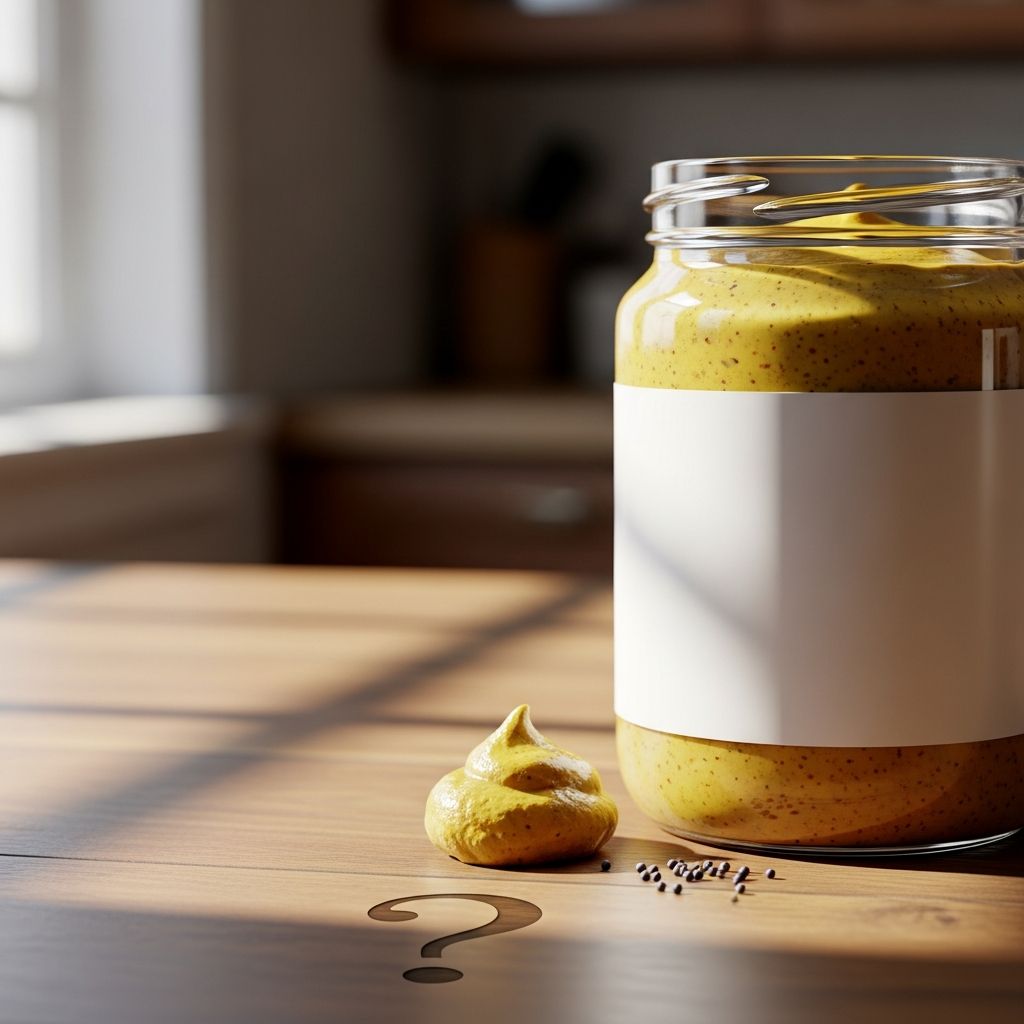
Mustard, a staple condiment in kitchens worldwide, boasts remarkable staying power due to its acidic composition from vinegar, salt, and mustard seeds, which inhibit bacterial growth and extend shelf life well beyond printed dates.
The Science Behind Mustard’s Durability
Mustard’s longevity stems from its core ingredients: vinegar or acidic alternatives like wine provide a low pH environment hostile to microbes, while salt draws out moisture, further preventing spoilage. Mustard seeds or powder contribute natural preservatives that maintain stability. This combination allows unopened jars to remain viable for 1-3 years, and opened ones for up to a year or more when refrigerated.
However, no condiment is immortal. Over time, oxidation from air exposure leads to flavor fading, color changes, and texture breakdown. Contamination from utensils introduces bacteria, accelerating degradation.
Shelf Life of Popular Mustard Varieties
Different mustards vary in endurance based on acidity and additives. Higher acid content, as in Dijon, promotes longer life than sweeter types like honey mustard.
| Type | Unopened | Opened (Refrigerated) |
|---|---|---|
| Yellow Mustard | 1-2 years | Up to 1 year |
| Dijon Mustard | 1-3 years | 1 year+ |
| Whole Grain Mustard | 1-3 years | 1 year |
| Honey Mustard | 1-2 years | 6-12 months |
| Spicy Brown Mustard | 1-2 years | 1 year |
These estimates come from food safety analyses, emphasizing that “best by” dates indicate peak quality, not safety. Products remain wholesome if no spoilage appears.
Clear Indicators of Spoiled Mustard
Rely on sensory checks over dates: inspect, sniff, and taste small amounts. Discard if any red flags appear.
- Mold Presence: Any visible fuzz—green, black, white, or pink—signals deep contamination; roots extend beyond the surface.
- Off Odors: A rancid, fermented, or unusually sharp smell differs from the expected tangy sharpness.
- Texture Changes: Excessive dryness, crustiness, or grainy separation where solids harden and liquids pool unnaturally.
- Color Shifts: Fading yellows turning dull brown, or vibrant hues becoming murky green or gray.
- Taste Alterations: Bitterness, excessive acidity, or flatness that repels rather than enhances food.
- Packaging Issues: Bulging lids, leaks, or cracks from gas-producing bacteria.
Liquid separation occurs naturally in some varieties but worsens with age; if accompanied by other signs, dispose immediately.
Optimal Storage Strategies for Longevity
Proper handling maximizes usability. Unopened mustard thrives in a cool, dark pantry away from heat sources to avoid condensation and mold.
After opening, refrigeration is essential: the chill slows oxidation and bacterial activity, potentially extending life to years. Key tips include:
- Keep the lid tightly sealed to minimize air exposure.
- Use clean utensils to prevent cross-contamination.
- Store upright in the fridge door or main compartment for consistent temperatures.
- Avoid frequent temperature swings, like garage storage.
Dry mustard powder lasts indefinitely in airtight containers in a cool, dry spot but clumps if exposed to moisture.
Reviving Aged Mustard: What Works and What Doesn’t
Minor separation can often be fixed by vigorous stirring or shaking to re-emulsify. For dried-out portions, a splash of vinegar or water restores creaminess without compromising safety, provided no spoilage signs exist.
Never attempt to salvage moldy, bulging, or foul-smelling mustard—pathogens spread invisibly, rendering revival unsafe.
Freezing Mustard: Pros, Cons, and Alternatives
Freezing preserves safety indefinitely but ruins texture: water content forms ice crystals, leading to grainy, separated results upon thawing that’s unsuitable for spreading. It’s viable for cooking uses where consistency matters less, like marinades.
Portion into ice cube trays for small batches, thaw in the fridge, and stir well—but expect permanent changes. Refrigeration remains the superior choice for maintaining quality.
Understanding “Best By” vs. Actual Safety
The USDA clarifies that “best by” dates guarantee quality, not expiration; mustard handled properly stays safe until spoilage shows. Manufacturers print conservative dates to ensure flavor integrity, but acidity often allows consumption 2-3 years past.
Exceptions include artisanal or low-acid varieties without sufficient vinegar, which spoil faster—always check labels.
Health Risks of Consuming Spoiled Mustard
Rarely dangerous due to acidity, but moldy mustard risks mycotoxins, causing digestive upset or allergic reactions. Bacterial contamination from poor storage may lead to foodborne illness, though less common than in dairy.
Pregnant individuals, immunocompromised people, or children should err on caution and discard questionable jars.
Fun Facts About Mustard’s Preservation History
Ancient Romans preserved mustard with vinegar for soldiers’ rations, a practice echoing modern stability. Today, commercial processes pasteurize for added safety.
FAQ: Mustard Storage and Safety
Q: Can I leave opened mustard at room temperature?
A: Not recommended—refrigerate to prevent quality loss and potential mold; pantry storage suits unopened only.
Q: Is separated mustard safe to eat?
A: Yes, if no other spoilage signs; stir to recombine. Excessive separation warrants closer inspection.
Q: How long does mustard last in the fridge after opening?
A: Typically 1 year or more, but use senses to confirm.
Q: Does homemade mustard expire faster?
A: Yes, due to variable acidity and no pasteurization—consume within weeks refrigerated.
Q: What if my mustard has no best-by date?
A: Common for condiments; rely on appearance, smell, and taste.
Conclusion
Mustard’s robust preservatives make it one of the longest-lasting condiments, often safe years past labels with vigilant storage and sensory checks. By refrigerating opened jars, using clean tools, and watching for mold or off smells, you minimize waste and ensure safety.
References
- Does Mustard Go Bad? Everything You Need To Know! — On Better Living. 2023-05-15. https://onbetterliving.com/does-mustard-go-bad/
- Does Mustard Go Bad? Shelf Life, Storage, and Spoilage Signs — Greatist. 2024-02-10. https://greatist.com/eat/does-mustard-go-bad
- How To Tell Mustard Has Gone Bad — Mashed. 2023-11-20. https://www.mashed.com/1168124/how-to-tell-mustard-has-gone-bad/
- How Long Does Mustard Last? Shelf Life, Storage, Expiration — Eat By Date. 2024-01-05. https://eatbydate.com/other/condiments/how-long-does-mustard-last/
Similar Articles




Read full bio of Sneha Tete