Does Flour Expire? Shelf Life Secrets
Uncover how long flour lasts, signs of spoilage, and smart storage tips to keep your baking ingredients fresh and safe for months or years.
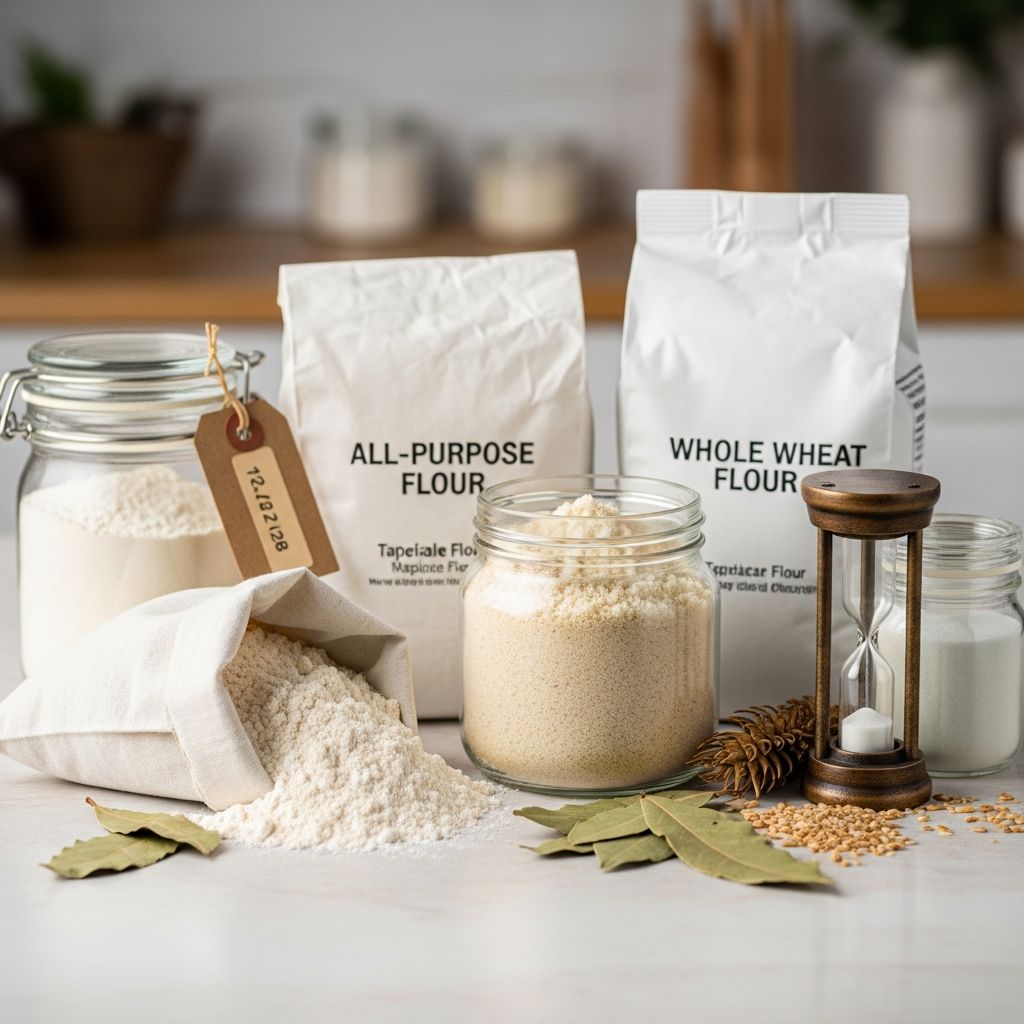
Flour is a cornerstone of home baking, from fluffy pancakes to crusty bread loaves. But many wonder: does this pantry essential have an expiration date? The short answer is no, flour doesn’t expire like perishable dairy or meat. However, it can degrade over time, losing quality and potentially harboring risks if mishandled. Understanding flour’s longevity involves knowing its types, storage conditions, and subtle spoilage cues. This guide dives deep into maintaining your flour supply, ensuring every scoop yields perfect results.
Understanding Flour’s Natural Durability
Flour’s stability stems from its low moisture and water activity levels, which inhibit bacterial growth. Made by milling grains, it lacks the nutrients microbes crave, making it shelf-stable far longer than fresh produce. All-purpose white flour, for instance, can sit in ideal conditions for years without issue. Yet, factors like oxygen exposure, temperature fluctuations, and pests can accelerate decline.
Refined flours benefit from processing that removes bran and germ—the most perishable parts—granting extended life. Whole grain varieties, retaining these nutrient-rich elements with natural oils, spoil faster due to rancidity risks. By grasping these basics, bakers can strategically stock up without waste.
Shelf Life Breakdown by Flour Type
Different flours age at varying rates. Here’s a detailed look:
- All-Purpose and Bread Flour: Up to 1-2 years unopened; 6-12 months opened in optimal storage.
- Cake and Pastry Flour: Similar to all-purpose, 1 year+ unopened; 8-12 months opened.
- Whole Wheat Flour: 6-8 months unopened; 1-3 months opened—oils turn rancid quickly.
- Rye or Spelt Flour: 4-6 months unopened; use within 1-2 months opened.
- Gluten-Free Blends (Rice, Almond): 6-12 months; nut flours shortest at 3-6 months due to fats.
These timelines assume cool, dry, airtight conditions. Heat or humidity slashes them significantly.
| Flour Type | Unopened Shelf Life | Opened Shelf Life | Best Storage |
|---|---|---|---|
| All-Purpose | 1-2 years | 6-12 months | Airtight container, cool pantry |
| Whole Wheat | 6-8 months | 1-3 months | Refrigerator or freezer |
| Nut-Based (Almond) | 6-12 months | 3 months | Freezer recommended |
| Rice Flour | 1 year | 6-8 months | Dark, dry cupboard |
Optimal Storage Strategies for Longevity
Proper storage is key to maximizing flour’s usability. Start with original packaging for unopened bags, which often include oxygen absorbers. Once opened, transfer to airtight glass, plastic, or metal containers. Mylar bags with oxygen absorbers extend life further for bulk storage.
Pantry Basics: Keep below 70°F (21°C), away from sunlight and appliances. Ideal humidity under 60% prevents clumping.
Refrigeration for Vulnerable Types: Whole grain and nut flours thrive in the fridge. Use sealed containers to block odors—flour absorbs smells like a sponge. Allow to reach room temp before baking to avoid texture issues in dough.
Freezer Powerhouse: All flours freeze indefinitely without quality loss. Portion into zip-top bags, squeeze out air, and label with dates. Thaw at room temp; no refreezing needed if used promptly.
Pro tip: Vacuum-sealing removes oxygen, mimicking commercial packaging for multi-year storage.
Spotting Spoilage: Sensory Checks
Flour spoilage is sneaky—no dramatic mold like on bread. Inspect regularly:
- Visual Clues: Discoloration (yellowing, graying), webbing from weevils, or clumpy moisture spots.
- Smell Test: Fresh flour is neutral. Rancid smells like oil paint, nuts, or crayons signal oxidized fats.
- Texture Shift: Lumps from humidity or greasy feel from rancidity.
- Taste Trial: Bitter or soapy aftertaste means discard.
Pests like pantry moths or weevils leave frass (tiny droppings) or silk threads. If spotted, toss the entire batch and sanitize the area.
Health Risks of Using Old or Compromised Flour
While rarely toxic, degraded flour poses issues. Rancid oils produce free radicals, potentially harmful in large amounts. Mycotoxins from dormant mold spores (invisible until bloomed) link to health concerns per FDA guidelines. Pests introduce contaminants. Vulnerable groups—kids, elderly, immunocompromised—should prioritize freshness. When in doubt, bake it into something testable first.
Reviving and Repurposing Aging Flour
Don’t bin questionable flour hastily. For mild off-smells in white flour, sift and bake-test in cookies. Whole grains with faint rancidity work in blends or as thickeners. Extremely old stock suits compost, chicken feed, or homemade playdough. Revive clumped flour by baking at 175°F for 30 minutes to dry it out.
Buying and Stocking Smartly
Choose smaller packages unless freezing bulk. Check “best by” dates—they indicate peak quality, not safety cutoffs. Buy from high-turnover stores for fresher stock. Organic flours may shorten shelf life sans preservatives. Track purchase dates with labels for rotation.
FAQs on Flour Freshness
Can you use flour past its best-by date?
Yes, if stored properly and passes sensory tests. Dates mark quality, not expiration.
Is it safe to refrigerate all flour types?
Most yes, but bring to room temp before use to prevent dough condensation issues.
How do you freeze flour without waste?
Portion into 1-2 cup amounts in airtight bags; flatten for space-saving stacks.
What causes flour to go bad fastest?
Exposure to air, heat, light, and moisture—especially in high-fat flours.
Does sifting old flour make it usable again?
Often yes, removes debris; combine with fresh for best results.
Advanced Tips for Bulk Bakers
For avid bakers or preppers, invest in 5-gallon buckets with gamma lids and mylar liners. Add oxygen absorbers (300cc per gallon). Store in cool basements. Rotate stock FIFO (first in, first out). Test batches periodically by baking simple muffins.
Humidity absorbers like silica packets help in damp climates. For international readers, note altitude affects storage—higher elevations mean drier air, extending life.
References
- Storage and Handling of Flours and Baking Mixes — University of Nebraska-Lincoln, Food Science. 2023-05-15. https://food.unl.edu/article/storage-and-handling-flours-and-baking-mixes/
- Pantry Staples Shelf Life Guidelines — USDA FoodKeeper App Documentation. 2024-01-10. https://www.fsis.usda.gov/food-safety/safe-food-handling-and-preparation/food-safety-basics/foodkeeper-app
- Mycotoxins in Grains and Flours — FDA Center for Food Safety. 2022-08-22. https://www.fda.gov/food/natural-toxins-food/mycotoxins
- Flour Storage Stability Research — Journal of Food Science (Wiley). 2021-03-01. https://doi.org/10.1111/1750-3841.15678
- Insect Pests in Stored Grains — Oklahoma State University Extension. 2023-11-07. https://extension.okstate.edu/fact-sheets/stored-product-insects.html
(Word count: 1678)
Similar Articles



Read full bio of medha deb