Does Dry Pasta Expire?
Discover the real truth about dry pasta's shelf life, storage tips, and signs it's time to toss it for safe, delicious meals every time.
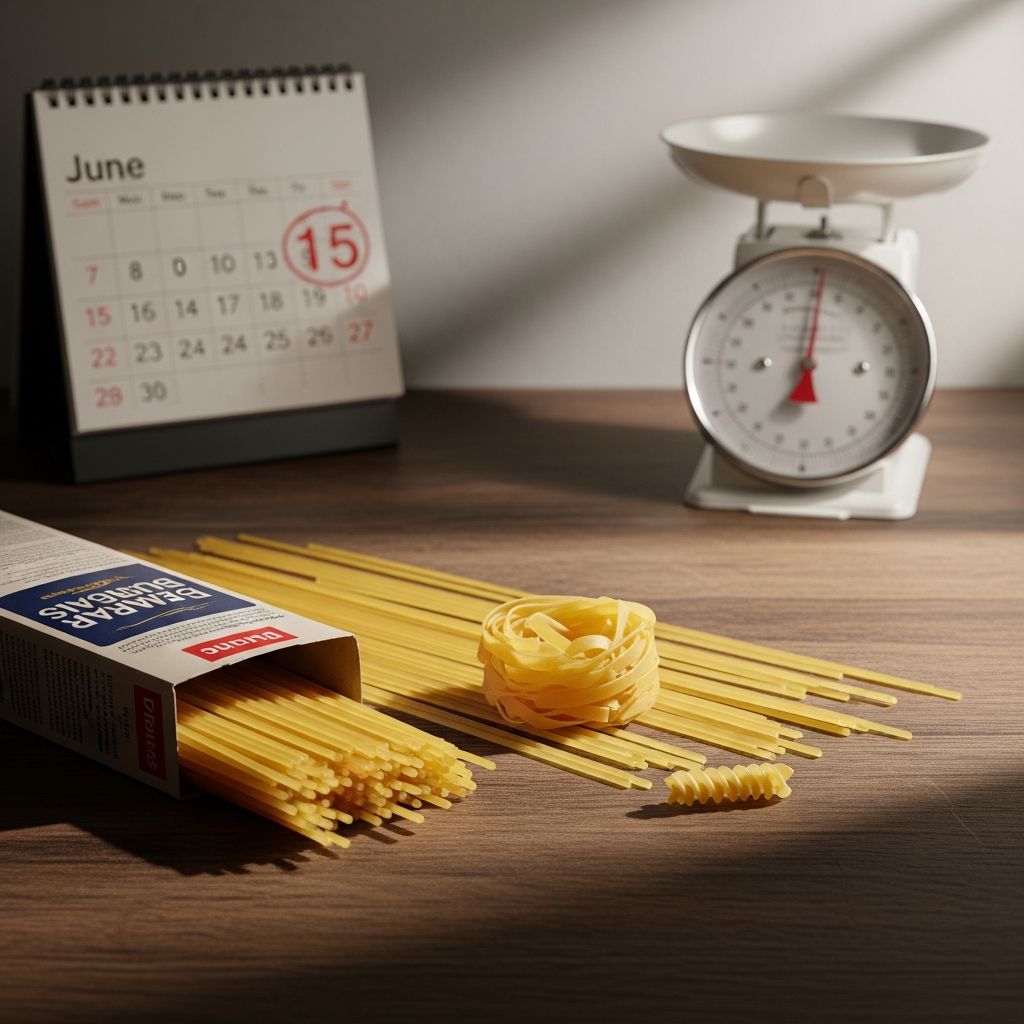
Dry pasta, a cornerstone of kitchens worldwide, boasts an impressively long shelf life due to its low moisture content, which inhibits bacterial growth. While “best by” dates suggest 1-2 years, properly stored dry pasta remains safe and usable for several years beyond that mark.
Understanding the Longevity of Dry Pasta
Dry pasta’s durability stems from dehydration processes that remove nearly all water, creating an inhospitable environment for microbes. Manufacturers set expiration dates conservatively to guarantee peak quality, but these are not strict safety deadlines. In reality, sealed packages can maintain integrity for 2-3 years or more post-date, depending on storage conditions.
Factors influencing longevity include packaging integrity, ambient humidity, and temperature fluctuations. Sealed boxes or bags shield pasta from air and pests, extending usability. Once opened, transfer to airtight containers to preserve freshness.
Key Factors Affecting Pasta’s Shelf Life
- Moisture Exposure: The primary enemy; even slight dampness can lead to clumping or mold.
- Temperature: Ideal storage below 70°F (21°C) slows natural degradation.
- Light and Air: UV exposure and oxygen accelerate flavor loss and oxidation.
- Pasta Type: Plain semolina pasta outlasts egg-enriched varieties, which contain fats prone to rancidity.
Visual and Sensory Checks for Spoilage
Inspect dry pasta before use with a multi-step evaluation. Start visually: Look for discoloration, such as darkening or spotting, which signals moisture intrusion or fat rancidity in egg pasta. Cracks or excessive brittleness indicate prolonged dryness, potentially affecting cooking texture.
Next, smell it. Fresh pasta has a neutral, wheaty aroma. Off odors like mustiness, rancid oil, or mold mean discard immediately. Texture matters too—soggy clumps confirm moisture damage.
| Sign of Spoilage | Description | Action |
|---|---|---|
| Discoloration | Spots, yellowing, or darkening | Toss |
| Off Smell | Rancid, moldy, or sour | Discard |
| Clumping/Sogginess | Sticks together when dry | Throw away |
| Cracks/Brittleness | Excessive fragmentation | Test cook small batch |
| Gummy After Cooking | Doesn’t firm up properly | Avoid future use |
Health Risks of Consuming Aged Pasta
Unlike perishables, dry pasta rarely causes foodborne illness if stored correctly, as low water activity (aw < 0.6) prevents pathogen growth like Salmonella or E. coli. The USDA classifies dry pasta as a low-risk pantry item, safe indefinitely barring contamination.
However, compromised storage introduces risks. Moisture enables mold (e.g., Aspergillus), producing mycotoxins harmful if ingested. Egg pasta’s fats can oxidize, yielding unpalatable but non-toxic results. Worst case: gastrointestinal upset from bacterial proliferation in wet conditions. Always err on caution with suspicious packages.
Optimal Storage Strategies for Maximum Freshness
To maximize shelf life, store dry pasta in its original packaging until opened, then decant into glass, plastic, or metal airtight containers. Place in a cool, dark pantry away from heat sources like ovens or direct sunlight.
Avoid refrigerators or freezers for long-term dry storage—condensation risks outweigh benefits. For bulk buys, vacuum-seal portions. Oxygen absorbers in containers further extend usability by minimizing oxidation.
Pro Storage Tips
- Label containers with purchase dates.
- Use desiccant packets in humid climates.
- Rotate stock: First in, first out.
- Keep away from strong odors to prevent absorption.
Cooking Old Pasta: Does It Still Work?
Aged pasta cooks fine if checks pass. Expect subtle flavor fade and softer texture, but al dente preparation compensates. Test a small handful: Boil per package instructions. If it holds shape without gumminess, proceed.
Enhance with robust sauces to mask mild quality dips. Whole grain or artisanal pastas may degrade faster due to higher oil content, so prioritize inspection.
Comparing Shelf Lives of Pasta Varieties
| Pasta Type | Sealed Shelf Life | Opened Shelf Life | Notes |
|---|---|---|---|
| Plain Dry (Semolina) | 2-3+ years | 1-2 years | Most stable |
| Egg Noodles | 1-2 years | 6-12 months | Fats rancidify |
| Whole Wheat | 1-2 years | 6-12 months | Oils degrade faster |
| Gluten-Free (Rice/Quinoa) | 1 year | 6 months | Prone to brittleness |
Bulk Buying and Pantry Organization
Stocking pasta in bulk saves money but demands organization. Use clear containers for visibility, stackable for space efficiency. Monitor for pests like weevils, repelled by bay leaves in storage bins.
Integrate into meal planning: A 1-pound box yields 8 servings, ideal for emergency meals. Pair with shelf-stable sauces for complete kits.
FAQs on Dry Pasta Shelf Life
Can I eat pasta past its expiration date?
Yes, if no spoilage signs; dates indicate quality, not safety.
How do I know if opened pasta is still good?
Check for cracks, smells, or discoloration; cook-test if visual cues pass.
Is freezing dry pasta recommended?
Not ideal due to moisture risk; pantry storage suffices for years.
What causes pasta to go gummy when cooked?
Age-related starch changes or prior moisture exposure.
Does pasta absorb pantry odors?
Minimal if sealed; use airtight containers to prevent.
Sustainability Angle: Reducing Food Waste
Understanding pasta’s true lifespan cuts waste. Globally, 1.3 billion tons of food are discarded yearly; pantry staples like pasta contribute unnecessarily. Proper storage empowers confident use, promoting sustainable habits without compromising safety.
References
- Can Boxed Pasta Actually Go Bad In The Pantry? — The Daily Meal. 2023-10-01. https://www.thedailymeal.com/1104448/can-boxed-pasta-actually-go-bad-in-the-pantry/
- What is the Shelf Life of Dry Pasta? — Jerry James Stone (YouTube). 2020-05-15. https://www.youtube.com/watch?v=DeK_H-ZGHTI
Similar Articles



Read full bio of medha deb