Does Alcohol Expire?
Uncover the truth about alcohol's shelf life: from spirits that last forever to wines that turn to vinegar. Expert storage tips inside.
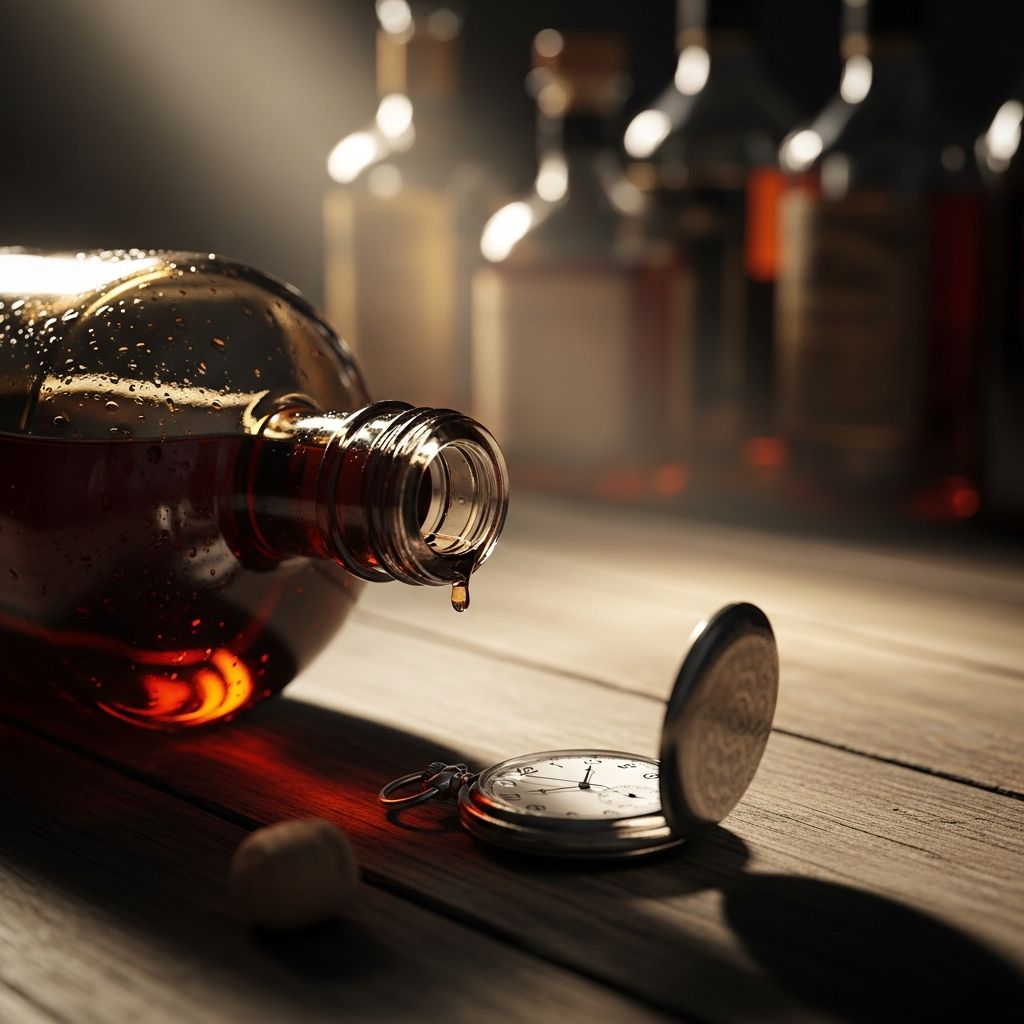
Alcohol does not expire in the sense of becoming unsafe to drink like perishable foods, but its quality, flavor, and aroma can degrade over time, especially after opening. High-proof distilled spirits like vodka and whiskey remain stable indefinitely when unopened and stored properly, while wines, beers, and cream liqueurs are more prone to changes due to oxidation and other factors.
The Science Behind Alcohol Stability
High alcohol content acts as a natural preservative, inhibiting bacterial growth in distilled spirits. Ethanol levels above 40% ABV create an environment hostile to microbes, explaining why unopened bottles of rum, gin, or tequila can last decades without spoiling. However, once exposed to air, oxidation begins, altering volatile compounds responsible for taste and scent. Temperature fluctuations, light exposure, and improper sealing accelerate this process across all types.
For lower-alcohol beverages like beer (around 5% ABV) and wine (12-15% ABV), vulnerability increases. These contain more water and fermentable sugars, making them susceptible to yeast activity or acetic acid bacteria that turn them vinegary. Understanding these chemical dynamics helps predict longevity and maintain peak enjoyment.
Distilled Spirits: Built to Last
Clear spirits such as vodka and gin, with minimal congeners (flavor compounds), show the least change. Unopened, they have no expiration; opened bottles stay viable for years, though subtle dulling may occur after 1-3 years. Barrel-aged options like whiskey or rum evolve slowly post-opening due to prior oxidation during aging, but evaporation from the bottle neck can concentrate flavors unevenly.
| Spirit Type | Unopened Shelf Life | Opened Shelf Life | Best Storage |
|---|---|---|---|
| Vodka/Gin | Indefinite | 2-3 years | Cool, dark, upright |
| Whiskey/Rum | Indefinite | 1-3 years | Cool, dark, upright |
| Tequila | Indefinite | 1-3 years | Cool, dark, upright |
Maintain quality by keeping bottles upright to minimize cork contact, away from heat sources, and tightly sealed.
Fortified and Creamy Liqueurs: The Fragile Exceptions
Liqueurs with dairy, eggs, or high sugar—like Baileys or amaretto—introduce perishability. Cream varieties risk curdling or separation after 6-12 months opened, even refrigerated. Follow bottle guidelines, as additives lower the preservative threshold. Unopened, they last 2+ years, but inspect for off odors before use.
- Refrigerate cream liqueurs post-opening to extend life up to 18 months.
- Check for thickening, color shifts, or sour smells as spoilage indicators.
- Non-cream liqueurs (e.g., triple sec) mirror spirits at 1-2 years opened.
Wine: Age Gracefully or Go Bad Quickly
Not all wines improve with time—only premium reds stored in cellars (ideal: 55°F, 70% humidity, dark). Most table wines peak within 2-3 years unopened; whites sooner. Opened, reds last 3-5 days, whites 2-3 days in the fridge with a vacuum seal. Oxidation produces vinegar notes; fortifies like sherry endure 1-2 months opened.
Store unopened wine on its side to keep corks moist, horizontally for long-term. Avoid kitchen warmth or sunlight, which degrade tannins and fruitiness.
Beer: Freshness First
Beer prioritizes freshness over longevity. Unopened cans/bottles last 6-12 months; craft or unpasteurized types 3-6 months due to live yeast. Opened beer goes flat in hours from CO2 loss, developing skunky or stale flavors in days. High-ABV or bottle-conditioned beers (e.g., barleywines) can age 1-5 years cool and dark, but most are best fresh.
- Store upright, cold (35-45°F), away from light to prevent “lightstruck” off-flavors.
- Check canning date; consume within months for optimal hop character.
Signs Your Alcohol Has Gone Off
Spoiled booze rarely causes illness—alcohol kills pathogens—but quality plummets. Watch for:
- Off smells: Vinegar, wet cardboard, or rancid notes.
- Taste changes: Dull, bitter, or overly harsh profiles.
- Visual cues: Cloudiness, sediment (beyond normal), curdling in liqueurs, or faded color.
- Texture shifts: Flat beer, separated cream.
If in doubt, discard; life’s too short for bad drinks.
Optimal Storage Strategies for Every Type
Consistency is key: cool (50-60°F for spirits/wine, fridge for beer/cream), dark, stable humidity. Upright for corked spirits to prevent leakage; sideways for wine. Use glass stoppers or inert gas sprays for opened bottles to displace oxygen.
| Factor | Ideal Condition | Why It Matters |
|---|---|---|
| Temperature | 50-60°F (spirits), 55°F (wine) | Heat speeds oxidation/evaporation |
| Light | Complete darkness | UV breaks down flavors (skunking in beer) |
| Position | Upright (spirits), side (wine) | Prevents cork drying/leakage |
| Humidity | 60-70% | Maintains cork integrity |
A dedicated liquor cabinet or wine fridge pays dividends.
Does Age Weaken Alcohol Potency?
No—unopened alcohol retains ABV indefinitely; its preservative nature holds steady. Opened, minor evaporation may concentrate it slightly, but oxidation affects flavor, not strength. Myth busted: old vodka won’t get you less buzz.
FAQs on Alcohol Longevity
How long does opened vodka last? 2-3 years or more with proper storage; flavor may mellow slightly.
Can you drink expired whiskey? Yes, safely if unspoiled, but taste for off notes after 1-3 years opened.
What’s the longest-lasting alcohol? Grain alcohol like Everclear (95% ABV)—indefinite even opened.
Does freezing alcohol ruin it? No potency loss, but expansion risks bottle breakage; avoid.
Is old wine safe? Usually, unless corked (moldy smell); discard if vinegary.
Building a Timeless Bar Collection
Curate with purpose: stock stable spirits for everyday, age select wines, rotate beer. Label opened dates, inventory annually. Proper habits ensure every pour delights, turning your shelf into a flavor vault. Whether casual sipper or collector, knowledge empowers enjoyment without waste.
References
- Does Alcohol Ever Expire? What to Know for Liquor, Wine, and Beer — The Pioneer Woman. 2024-10-01. https://www.thepioneerwoman.com/food-cooking/cooking-tips-tutorials/a46933764/does-alcohol-expire/
- Does Alcohol Expire? | Wine-n-Gear — Wine-n-Gear. 2023-05-15. https://www.wine-n-gear.com/blog/does-alcohol-expire-how-long-does-liquor-really-last/
- Does Alcohol Go Bad? The Ultimate Guide To Liquor Lifespan — Spec’s Online. 2024-02-20. https://specsonline.com/blog/does-alcohol-expire/
- Does Alcohol Go Bad? The Ultimate Guide to Liquor Lifespan — Uptown Liquor TX. 2023-11-10. https://uptownliquortx.com/does-alcohol-go-bad-the-ultimate-guide-to-liquor-lifespan/
Similar Articles



Read full bio of medha deb