Homemade Paleo Dark Chocolate: 4 Simple Ingredients Guide
Create indulgent dark chocolate at home with just 4 ingredients
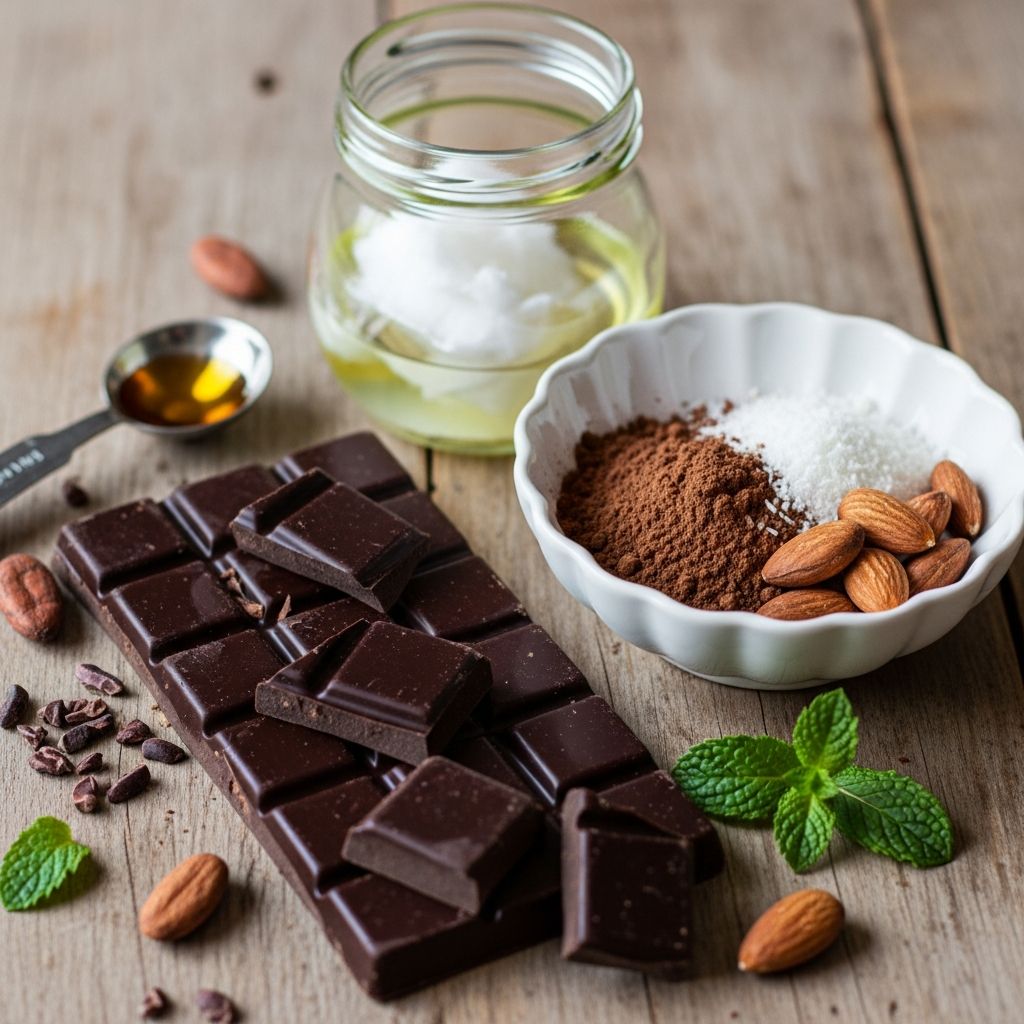
Creating confections that align with dietary preferences has become increasingly popular, and making chocolate at home offers both convenience and quality control that commercial products often cannot match. This guide explores the process of preparing a dark chocolate treat that adheres to paleo principles while delivering authentic chocolate satisfaction through minimal, recognizable ingredients.
Understanding Paleo-Compliant Chocolate
The paleo philosophy emphasizes consuming whole, unprocessed foods that our ancestors would have recognized. Traditional chocolate manufacturing involves numerous additives, refined sugars, and processing chemicals that fall outside paleo guidelines. When you prepare chocolate in your own kitchen, you bypass these industrial processes entirely and maintain complete transparency regarding every component in your final product.
Paleo-compatible chocolate differs from conventional varieties in several fundamental ways. Rather than relying on refined white or brown sugar, this approach substitutes natural sweetening agents like honey or maple syrup. Instead of using hydrogenated oils or butter substitutes, pure coconut oil serves as the fat base, providing a clean ingredient list that supports the paleo dietary framework.
The Essential Ingredient Foundation
The beauty of this chocolate preparation lies in its simplicity. You need only four core components to produce rich, satisfying chocolate that rivals expensive artisanal brands. Understanding each ingredient’s role helps you make intentional choices about quality and sourcing.
Coconut Oil: Your Primary Fat Component
Coconut oil functions as the foundation of your chocolate creation, comprising approximately one-third of the final mixture. This ingredient determines both the texture and melting characteristics of your chocolate. When selecting coconut oil, opt for virgin or extra-virgin varieties that have undergone minimal processing. These options retain more of their natural properties and contribute subtle flavor notes to your finished product.
The amount of coconut oil influences how soft or firm your chocolate becomes. Higher oil ratios create chocolate that melts quickly on the tongue, producing that coveted “melt-in-your-mouth” sensation. Lower ratios or substituting cacao butter instead will yield a firmer chocolate that resists softening at room temperature.
Cacao Powder: The Flavor Powerhouse
Raw cacao powder provides the authentic chocolate flavor and contributes significant nutritional value to your homemade creation. This ingredient comprises roughly one-third of your mixture and should be sourced from reputable suppliers who ensure minimal processing and contamination-free handling.
The distinction between cacao and cocoa is worth noting. Cacao powder refers to the minimally processed powder derived directly from cacao beans, while cocoa typically refers to more heavily processed versions. For paleo-aligned preparation, raw cacao powder offers superior nutritional density and cleaner ingredient sourcing.
Natural Sweetening Options
Rather than refined sugar, this chocolate recipe employs natural sweeteners that provide sweetness without inflammatory processing. Maple syrup and honey both serve as effective alternatives, each offering distinct flavor profiles and sweetness levels.
Honey contributes a subtle floral undertone and provides natural enzymes and antimicrobial properties. Maple syrup offers a deeper, more complex sweetness that can complement the cacao notes beautifully. The choice between these depends on your personal preference and the flavor profile you want to emphasize in your final product. Most recipes suggest using three to four tablespoons of either option for a half-cup batch of coconut oil, though you can adjust this amount based on your desired sweetness level.
Vanilla Extract: The Flavor Enhancer
A modest amount of pure vanilla extract—approximately half a teaspoon—rounds out the ingredient list. This addition doesn’t overpower the chocolate flavor but rather enhances and deepens the cacao notes, creating a more complex taste experience than cacao and fat alone would provide.
Step-by-Step Preparation Method
The actual preparation process is remarkably straightforward and requires minimal kitchen equipment. Understanding each stage ensures you achieve optimal results consistently.
Stage One: Melting the Coconut Oil
Begin by placing your measured coconut oil into a saucepan and warming it over low to medium-low heat. The temperature control at this stage proves crucial; excessive heat can alter the coconut oil’s structure and introduce unwanted flavors. Gentle melting ensures your oil maintains its beneficial properties while becoming liquid enough to blend with other ingredients.
If you’re working with solid coconut oil straight from the jar, melting takes approximately five to ten minutes on low heat. You’ll recognize the oil is fully melted when it appears completely translucent without any solid particles remaining.
Stage Two: Combining Dry Ingredients
Once your coconut oil reaches liquid consistency, add the cacao powder, sweetener, and vanilla extract directly to the warm oil. Using a whisk rather than a spoon helps break up any cacao powder clumps that naturally form when dry powder contacts liquid. Whisk vigorously for one to two minutes until the mixture appears completely smooth and uniform in color.
The warmth of the oil helps dissolve the sweetener thoroughly and prevents crystallization later. The goal is achieving a consistency similar to warm pudding—smooth, glossy, and free of visible lumps or grainy texture.
Stage Three: Cooling and Setting
Remove your chocolate mixture from the heat and allow it to cool to room temperature before proceeding. This intermediate cooling stage, lasting twenty to thirty minutes, helps the mixture thicken slightly, making it easier to work with during the molding phase.
Some recipes suggest whisking in the sweetener after this cooling period rather than during the initial mixing. This approach can help achieve an even smoother final texture and may prevent any slight crystallization that heating can sometimes cause.
Stage Four: Molding and Freezing
Pour your cooled chocolate mixture into silicone molds, onto a parchment-lined baking sheet, or into any container that suits your desired final form. If using a flat tray, smooth the mixture to approximately quarter-inch thickness using the back of a spoon or an offset spatula.
Transfer your prepared chocolate to the freezer rather than a standard refrigerator. The freezer’s colder temperature ensures complete solidification within one hour, whereas a refrigerator might require two to three hours for adequate firmness. The ultra-cold environment also helps the chocolate maintain its shape better given the high coconut oil content.
Customization and Flavor Variations
While the basic recipe provides exceptional chocolate, numerous variations allow you to personalize your creation to match specific preferences or dietary goals.
Salt Enhancement
Adding one-eighth teaspoon of fine sea salt creates a sophisticated flavor dynamic that amplifies the chocolate notes. The salt doesn’t make the chocolate taste salty but rather heightens the perception of sweetness and depth, similar to how chefs use salt to enhance desserts.
Textural Additions
Incorporate unsweetened shredded coconut, chopped nuts, or seeds into the cooled mixture before molding to create chocolate with interesting texture contrasts. Sprinkle these additions onto the surface of warm chocolate before freezing, allowing them to adhere as the mixture sets.
Flavor Infusions
Mint extract, instant coffee powder, or cinnamon can be whisked into the chocolate mixture to create distinct flavor profiles. A quarter teaspoon of mint extract produces refreshing mint-chocolate variations, while two tablespoons of instant coffee creates mocha-inspired chocolate that appeals to coffee enthusiasts.
Storage Considerations and Shelf Life
Proper storage ensures your homemade chocolate remains fresh and maintains optimal texture for extended periods. Because coconut oil remains soft at room temperature, store your chocolate in an airtight container within your freezer. Under these conditions, homemade chocolate remains fresh for several weeks.
If you prefer keeping chocolate more accessible, store it in the refrigerator, acknowledging that it will soften more quickly and may need re-freezing before consumption if your kitchen tends toward warmth. Some people enjoy the softer texture that develops with refrigerator storage, making this a matter of personal preference.
Nutritional Considerations
Unlike commercial chocolate loaded with added sugars and processing byproducts, homemade paleo chocolate offers straightforward nutritional transparency. Cacao powder provides polyphenols and antioxidants, coconut oil contributes medium-chain triglycerides, and natural sweeteners provide energy without the inflammatory effects associated with refined sugar.
A typical two-inch chocolate square contains approximately 100 to 150 calories, depending on exact ingredient ratios and portion size. The macronutrient profile leans toward healthy fats with moderate carbohydrates from the natural sweeteners and cacao solids.
Troubleshooting Common Issues
Grainy or Lumpy Texture
This issue typically results from insufficient whisking when combining dry ingredients with the coconut oil. Solution: Place the mixture in a blender and process for thirty seconds, or use a hand mixer to incorporate all particles thoroughly.
Chocolate Remains Too Soft
If your chocolate fails to harden adequately after freezing, you may have used too much coconut oil relative to other ingredients. Try reducing coconut oil by one to two tablespoons in your next batch, or consider substituting half the coconut oil with cacao butter for firmer results.
Overly Bitter Taste
High-quality cacao powder can produce intensely bitter chocolate. If your results taste too bitter, increase the sweetener by half a tablespoon or try a different cacao powder source. Some brands offer naturally less-intense varieties.
Frequently Asked Questions
- Can I use regular cocoa powder instead of cacao powder?
- Yes, though cocoa powder that has undergone roasting and processing will produce slightly different flavor notes. For most purposes, they’re interchangeable, though raw cacao offers superior nutritional density.
- Is this chocolate suitable for vegans?
- Absolutely. All four core ingredients are plant-derived, making this chocolate naturally vegan-friendly and aligned with vegan dietary principles.
- How long does homemade chocolate keep?
- Properly stored in the freezer within an airtight container, homemade chocolate remains fresh for four to eight weeks. Refrigerator storage shortens shelf life to two to three weeks.
- Can I use agave nectar instead of honey or maple syrup?
- While agave nectar would technically work, it may alter the flavor profile. Honey and maple syrup are preferable for optimal results, though agave would remain paleo-compliant.
- What equipment do I absolutely need?
- A saucepan, whisk, measuring spoons and cups, parchment paper, and a freezer constitute the complete equipment list. Silicone molds enhance presentation but aren’t essential.
Comparative Analysis: Homemade Versus Commercial
| Factor | Homemade Paleo Chocolate | Commercial Organic Chocolate |
|---|---|---|
| Ingredient Count | 4 ingredients | 8-15 ingredients |
| Processing Level | Minimal | Extensive |
| Cost Per Serving | Low | High |
| Sweetener Type | Natural honey or syrup | Often includes additives |
| Shelf Life | 4-8 weeks (frozen) | 6-12 months |
| Texture Control | Complete control | Fixed |
Final Thoughts on Homemade Chocolate Creation
Preparing chocolate within your own kitchen transforms a simple ingredient list into a luxurious treat that aligns perfectly with paleo and clean-eating philosophies. The process requires minimal time, minimal equipment, and produces results that rival premium commercial varieties at a fraction of the cost.
Whether you’re seeking a guilt-free dessert option, attempting to reduce processed foods in your diet, or simply interested in understanding exactly what goes into your food, homemade paleo chocolate offers an accessible entry point into intentional food preparation. Each batch you create becomes an opportunity to refine your technique, experiment with flavor variations, and develop a deeper appreciation for the simplicity that quality ingredients can provide.
References
- Easy Homemade Paleo Dark Chocolate Recipe — Living Well Mom. 2024. https://livingwellmom.com/easy-homemade-paleo-dark-chocolate-recipe/
- Homemade Melt-In-Your-Mouth Dark Chocolate (Paleo) — WisdomLib. 2024. https://www.wisdomlib.org/recipes/homemade-melt-in-your-mouth-dark-chocolate-paleo-182295
- Easy Homemade Paleo Chocolate — Real Food with Jessica. 2024. https://www.realfoodwithjessica.com/easy-homemade-paleo-chocolate/
- Healthy Homemade Chocolate Recipe — Bakerita. 2024. https://www.bakerita.com/paleo-chocolate-chunks/
Similar Articles






Read full bio of Sneha Tete