Diet Saboteurs: Foods Disrupting Your Sleep
Discover how everyday foods and drinks silently sabotage your sleep and learn simple swaps for restful nights.
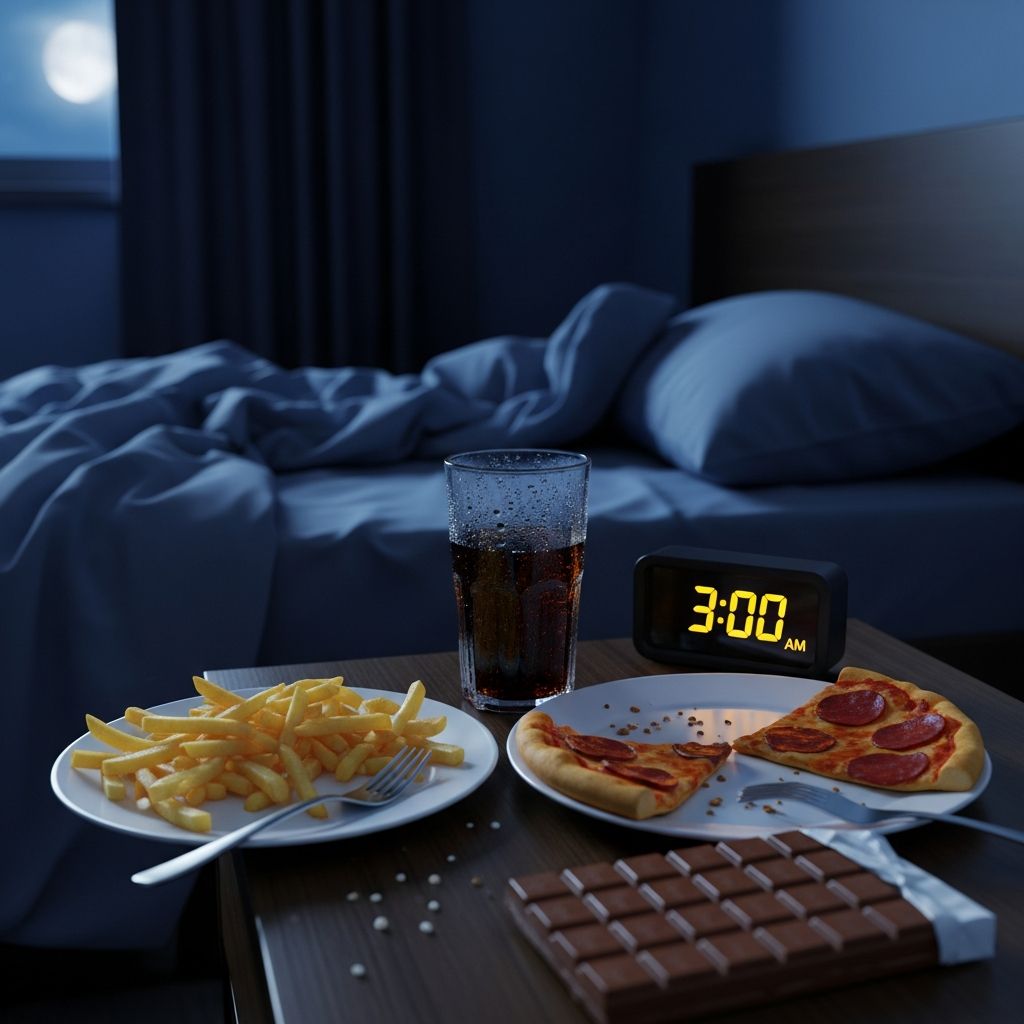
Poor sleep affects millions, with dietary choices often playing a key role in nighttime restlessness. Certain foods and beverages consumed close to bedtime can stimulate the nervous system, trigger digestive discomfort, or cause blood sugar fluctuations that hinder restful slumber. This article delves into the primary culprits, explains their mechanisms, and offers practical alternatives to reclaim your nights.
Understanding the Sleep-Diet Connection
The body relies on a delicate balance of hormones, neurotransmitters, and circadian rhythms for quality sleep. Foods influence these through stimulants like caffeine, amino acids such as tyramine, or rapid blood sugar shifts from high-glycemic items. Research shows that over half of adults experience sleep disruptions partly due to evening eating habits. By identifying and avoiding these triggers, you can enhance sleep onset, duration, and restoration.
Stimulants in Disguise: Caffeinated Culprits
Caffeine, a central nervous system stimulant, blocks adenosine—a sleep-promoting chemical—leading to prolonged alertness. Even consumed hours before bed, it can halve sleep time and delay onset. Common sources include:
- Coffee and espresso drinks, even decaf traces.
- Black, green teas, yerba mate, and energy drinks.
- Chocolate, especially dark varieties and products like tiramisu.
- Sodas and some protein bars with hidden kola nut or guarana.
Studies confirm 400mg (about two coffees) six hours pre-bed doubles fall-asleep time. Sensitive individuals should cut off intake by early afternoon.
Alcohol’s False Promise of Relaxation
While alcohol initially sedates, it fragments sleep by suppressing REM stages and altering circadian clocks. Nightcaps lead to frequent awakenings, reduced deep sleep, and early mornings. Red wine exacerbates via heartburn triggers. Limit to moderate amounts early in the evening, or opt for non-alcoholic herbal infusions.
Sugar Rushes and Crashes from High-GI Foods
Refined carbs and added sugars spike blood glucose, prompting adrenaline and cortisol releases that mimic stress responses. A study of 77,000 women linked high-glycemic diets to insomnia risk. Offenders include:
- Sweets, pastries, and sugary cereals.
- White bread, pasta, and processed snacks.
- Sugar-sweetened beverages, even caffeinated ones.
Short sleepers consume 21% more such drinks. Choose complex carbs like oats for steady serotonin support.
High-Fat and Heavy Evening Meals
Fatty foods delay stomach emptying, causing discomfort and reflux that interrupt sleep. Ice cream, fried items, or rich meats burden digestion. Low-fiber, high-fat late snacks correlate with awakenings. Pair with lighter proteins and veggies for balance.
Acidic and Spicy Disruptors
Citrus fruits, tomatoes, and spicy dishes provoke acid reflux, worsened lying down. Peppers, garlic, onions, and sauces trigger heartburn. Aged cheeses and cured meats add tyramine, spiking blood pressure and alertness. Softer cheeses like cottage are safer.
| Trigger Category | Examples | Sleep Impact | Alternatives |
|---|---|---|---|
| Caffeine | Coffee, tea, chocolate | Blocks adenosine, delays sleep | Chamomile tea, decaf herbal |
| Alcohol | Wine, beer | Fragments REM, early wake-ups | Mocktails with tart cherry |
| High Sugar/GI | Candy, soda | Blood sugar crashes | Yogurt with nuts |
| High Fat | Fried foods, cheese | Digestion delays | Avocado on whole grain |
| Acidic/Spicy | Tomatoes, peppers | Reflux, discomfort | Bananas, melons |
Less Obvious Sleep Thieves
Beyond obvious choices, popcorn’s fiber can ferment overnight, cured meats pack tyramine and salt, and carbonated drinks add bloating. Peppermint relaxes sphincters, aiding reflux. Evening timing matters—finish heavy intake three hours pre-bed.
Building a Sleep-Friendly Evening Routine
Counteract saboteurs with:
- Timing: Last meal 3+ hours before bed; caffeine cutoff 6-8 hours prior.
- Portions: Light snacks like banana-almond butter or warm milk.
- Hydration: Herbal teas (chamomile, valerian) promote GABA relaxation.
- Balance: Tryptophan-rich foods (turkey, oats) with complex carbs boost melatonin.
Track intake via journal to personalize avoidance.
Science-Backed Strategies for Lasting Change
National Sleep Foundation data underscores dietary tweaks’ impact. Combine with dim lights, cool rooms. For chronic issues, consult professionals—nutrition influences but doesn’t replace therapy.
Frequently Asked Questions (FAQs)
Can decaf coffee affect sleep?
Yes, traces remain; switch fully caffeine-free.
Is a glass of wine okay before bed?
No, it disrupts cycles despite drowsiness.
What about late-night fruit?
Acidic types no; kiwi or cherries may aid via serotonin.
How soon before bed to avoid caffeine?
At least 6 hours, ideally 8-12.
Do spicy foods always cause issues?
Not universally, but reflux-prone yes.
References
- 7 Foods That Could Cause Sleep Disruption — AARP. 2023-10-01. https://www.aarp.org/health/healthy-living/foods-that-disrupt-sleep/
- The Top Food and Drinks that Sabotage Your Sleep — NBI Health. 2024-05-15. https://www.nbihealth.com/top-food-and-drinks-that-sabotage-your-sleep/
- 6 Foods That Keep You Awake at Night — Healthline. 2023-11-20. https://www.healthline.com/nutrition/foods-that-keep-you-awake
- Food and Drinks That May Worsen Your Insomnia — PA Dental Sleep. 2025-05-07. https://www.padentalsleep.com/food-and-drinks-that-worsen-insomnia
- Eat. Drink. Can’t Sleep. — Premier Health. 2024-02-12. https://www.premierhealth.com/your-health/articles/women-wisdom-wellness-/eat-drink-can-t-sleep-
- Top Ten Foods to Avoid for a Good Night’s Sleep — Comprehensive Sleep Care. 2023-10-18. https://comprehensivesleepcare.com/2023/10/18/top-ten-foods-to-avoid-for-a-good-nights-sleep/
- Sleep disorders related to nutrition and digestive diseases — PMC (NIH). 2021-01-15. https://pmc.ncbi.nlm.nih.gov/articles/PMC7797530/
Similar Articles





Read full bio of Sneha Tete