Mastering Crispy Roasted Lentils at Home
Transform simple lentils into a crunchy, protein-packed topping with easy techniques
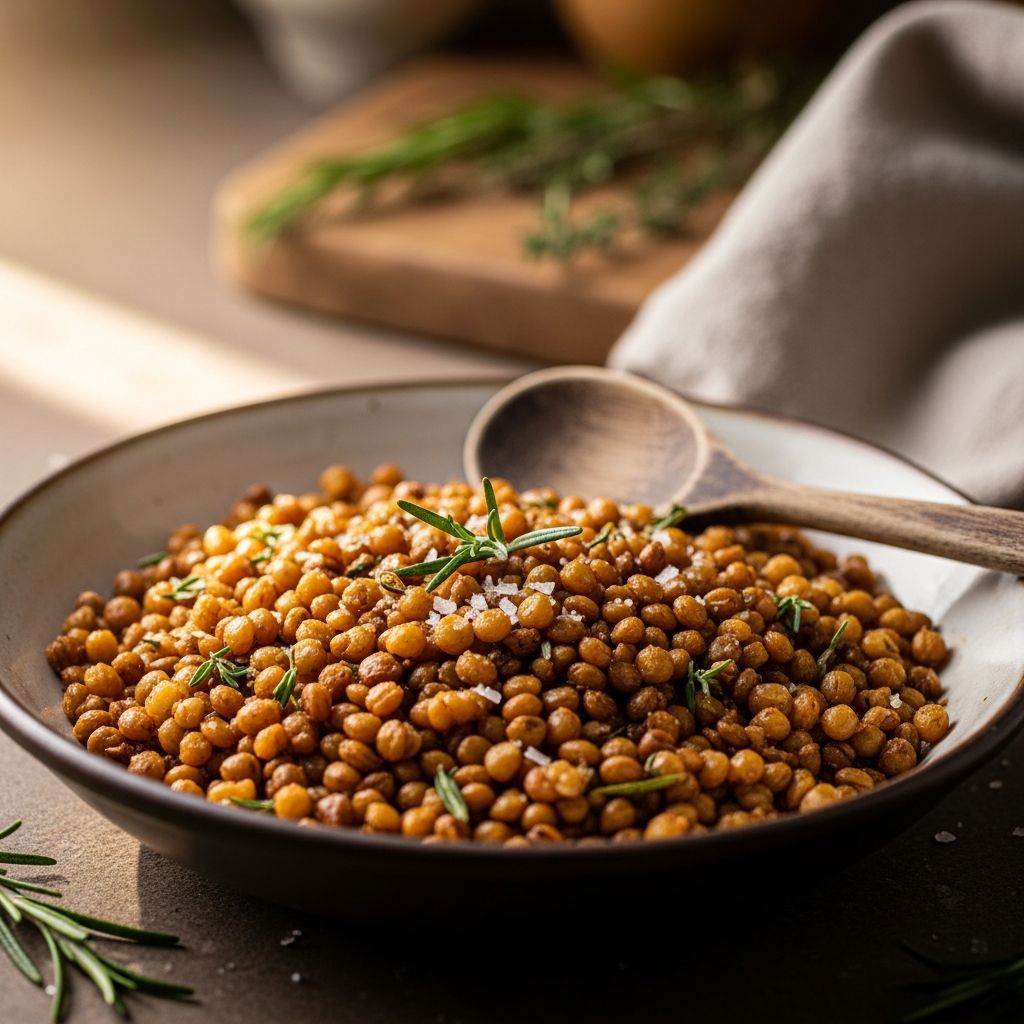
Creating a satisfying crunch in the kitchen need not be complicated. Crispy roasted lentils offer a straightforward solution for home cooks seeking to add textural contrast and nutritional depth to their meals. These small legumes, when prepared with the right technique, transform into addictive morsels that elevate everything from leafy greens to grain bowls. The beauty of this preparation lies in its simplicity—requiring just a handful of ingredients and basic kitchen equipment to achieve restaurant-quality results.
What makes roasted lentils particularly appealing is their versatility and nutritional profile. As a plant-based protein source, lentils provide essential amino acids, fiber, and micronutrients without requiring extensive preparation knowledge. Whether you prefer brown varieties, French green lentils, or red options, the fundamental roasting principles remain consistent, allowing home cooks to experiment and personalize their approach.
Understanding Lentil Selection and Preparation
Success begins with choosing the right lentil variety for your roasting project. Different lentil types possess distinct characteristics that influence the final texture and cooking duration. Brown and green lentils hold their shape better during cooking compared to red varieties, making them ideal candidates for this technique. French green lentils, often smaller and firmer, provide an excellent option for achieving maximum crispness when roasted.
Starting with either dried lentils or canned varieties presents flexibility for different schedules and preferences. Fresh preparation from dried lentils requires slightly more time investment but rewards you with complete control over seasoning throughout the cooking process. Canned lentils, conversely, streamline preparation significantly. Regardless of your choice, thorough rinsing and draining remove debris and excess sodium, establishing a clean foundation for roasting.
The moisture content of lentils before roasting determines the final crispness level. Freshly cooked lentils retain moisture that must evaporate during roasting. Taking time to pat lentils dry with paper or kitchen towels accelerates moisture removal and promotes even browning. This preparatory step, though simple, substantially impacts the texture outcome and prevents chewy results.
Essential Ingredients and Flavor Building
The ingredient list for crispy roasted lentils remains refreshingly minimal. Oil serves as the foundation, facilitating even heat distribution and promoting browning. A single tablespoon of olive oil, avocado oil, or your preferred neutral fat suffices for coating two cups of prepared lentils. The oil also carries fat-soluble flavors and helps seasonings adhere uniformly throughout the batch.
Aromatics form the flavor backbone of basic preparations. Garlic powder and onion powder provide savory depth without adding moisture that might impede crisping. Salt enhances natural flavors and intensifies the overall seasoning profile. For those seeking greater complexity, additional seasonings open exciting possibilities. Smoked paprika introduces subtle smokiness, while ground cumin adds earthiness reminiscent of traditional lentil preparations. Ras el hanout, a North African spice blend, brings warm complexity and aromatic intrigue.
Fresh herbs and spices offer opportunities for customization based on intended dish pairings. Indian-inspired combinations might include turmeric, cumin, and ginger. Mediterranean approaches benefit from oregano, basil, or thyme. The versatility of this base preparation means you can align seasonings with specific culinary traditions or personal preferences without compromising the fundamental technique.
Cooking Methods and Temperature Control
Oven roasting represents the most common and reliable method for achieving consistent results. Preheating the oven to 425°F establishes a temperature that promotes browning without burning. This moderate-to-high heat level allows moisture to evaporate gradually while developing desirable golden-brown exteriors.
Proper arrangement on baking sheets influences cooking evenness significantly. Spreading lentils in a single layer ensures each piece receives direct heat exposure. Parchment paper or silicone baking mats prevent sticking and simplify cleanup. Alternatively, lightly coating sheet pans with non-stick spray achieves similar results while reducing waste.
The roasting timeline typically spans 15 to 20 minutes for optimal crispness, though individual oven variations may require minor adjustments. Stirring approximately halfway through the cooking process redistributes heat exposure and prevents any portions from browning too quickly. Some prefer giving lentils a gentle toss after the initial 15-minute period, followed by 5 to 8 additional minutes of roasting.
For those seeking maximum crunchiness, brief broiling during the final one to two minutes intensifies browning and shatters the outer shells. This technique requires careful monitoring to prevent crossing from crispy into burnt, but rewards attentive cooks with exceptionally snappy textures.
Alternative Preparation Approaches
While oven roasting dominates traditional methods, air fryer technology offers modern alternatives for expedited preparation. Air fryers circulate heated air with exceptional efficiency, often reducing cooking times by approximately one-third compared to conventional ovens. The concentrated heat environment requires slightly lower temperature settings and shortened roasting periods, but yields equally impressive results for household cooks with access to this equipment.
Lower-temperature, extended-duration roasting provides another viable approach for those seeking gentler cooking. Setting ovens to 300°F and extending roasting to 25 to 35 minutes allows more gradual moisture evaporation and browning development. This method requires more frequent stirring—approximately every 10 minutes—to ensure even cooking, but accommodates busier cooking schedules where timing flexibility matters.
Cooling and Storage Considerations
Allowing roasted lentils to cool completely on the baking sheet before consuming is essential for achieving maximum crispness. Residual heat continues moisture evaporation, and cooling permits the outer shells to set and harden. Premature consumption yields softer textures than those achieved after complete cooling, diminishing the satisfying crunch that distinguishes this preparation.
Proper storage extends the usability of prepared batches. Cooled lentils keep well in airtight containers at room temperature for several days, maintaining their crispy texture if protected from moisture and humidity. Glass containers with secure sealing lids provide optimal protection compared to open storage. Refrigeration generally extends shelf life but may soften the exterior slightly, while freezing preserves crispness for longer-term storage extending to several weeks.
Versatile Applications for Your Crispy Lentils
The textural contrast these roasted lentils provide makes them exceptional salad companions. Scattered across leafy greens or grain-based compositions, they add nutritional density and satisfying crunch. Particularly effective pairings include Mediterranean salads with feta and olives, Asian-influenced combinations with sesame vinaigrettes, or simple green salads where the lentils become the primary protein component.
Grain and vegetable bowls benefit significantly from crispy lentil garnishes. Whether topping warm rice, quinoa, farro, or other grains, these roasted legumes provide protein, fiber, and textural interest. Drizzled with yogurt-based sauces or tahini dressings, crispy lentils transform simple bowl compositions into sophisticated, restaurant-quality presentations suitable for weeknight dinners or entertaining.
As standalone snacks, properly seasoned roasted lentils satisfy savory cravings while delivering nutritional benefits. Portion them into small containers for grab-and-go nutrition, serve them as aperitif accompaniments alongside other snacks, or enjoy them straight from the cooling sheet. The addictive quality of crispy roasted lentils often leads to quick consumption, making larger-batch preparation prudent for households seeking convenient protein-rich snacking options.
Soups and stews gain unexpected textural complexity from crispy lentil garnishes. Rather than incorporating lentils into the cooking liquid where they soften and blend, adding roasted versions just before serving maintains their characteristic crunch throughout consumption. This application particularly suits creamy soup preparations, where the crispy lentil contrast emphasizes the smooth base.
Troubleshooting Common Issues
Insufficient crispness often results from inadequate drying before roasting or insufficient roasting duration. Ensuring thorough moisture removal through patient towel-patting before roasting significantly improves outcomes. If lentils emerge from the oven still somewhat chewy, brief broiling or returning them to a 450°F oven for an additional 5 minutes typically achieves desired crunchiness.
Uneven browning suggests either inconsistent lentil distribution on the baking sheet or missed stirring during cooking. Spreading lentils in a genuinely single layer—not stacked or clustered—ensures even heat exposure. Rigorous stirring approximately halfway through cooking redistributes any pieces that received less direct heat.
Burnt or overly darkened lentils indicate either excessive roasting duration or oven temperature running hot. Reducing time by 2 to 3 minutes or lowering temperature by 25 degrees Fahrenheit typically corrects this issue in subsequent batches. Monitoring closely during the final roasting minutes prevents overextension.
Flavor Profile Explorations
Building upon the basic savory foundation, numerous flavor directions beckon experimentation. Mediterranean-inspired preparations incorporate dried oregano, basil, and perhaps a whisper of garlic powder alongside sea salt. Indian variations combine cumin, turmeric, and ginger with the standard garlic and onion powders for warmly spiced results.
Moroccan influences emerge through ras el hanout seasoning—a complex blend capturing warm spices including cinnamon, cumin, coriander, and paprika. Asian-inspired applications might include ginger, white pepper, and sesame seeds sprinkled after roasting. Smoky profiles develop from smoked paprika alone or combined with cayenne pepper for subtle heat.
Frequently Asked Questions
Can I use red lentils for this preparation?
Red lentils possess a softer structure that breaks down more readily during cooking compared to brown or green varieties. While technically possible, the results typically yield a less satisfying crunch. Brown and green lentils produce superior outcomes for roasting applications.
How do I know when lentils are perfectly crispy?
Listen for a light crunch when biting into a cooled sample. The exterior should feel dry and hard rather than flexible or chewy. Undercooked lentils retain slight flexibility and won’t shatter cleanly between teeth.
Should I salt the lentils before or after roasting?
Adding salt before roasting allows it to absorb into the lentil exterior and distribute evenly. Post-roasting salting can result in uneven seasoning distribution, though it remains acceptable if you prefer adding seasoning to control salt intensity.
Can roasted lentils be reheated?
Reheating introduces moisture that compromises crispness. For best results, store roasted lentils at room temperature in airtight containers and consume at room temperature rather than reheating. Stale lentils can be briefly warmed in a 300°F oven for 5 minutes if necessary.
What oil works best for roasting?
Any neutral-flavored oil with a high smoke point suffices, including olive oil, avocado oil, or neutral vegetable oil. Oil selection primarily affects flavor rather than texture, so choose based on your desired taste profile.
References
- How to Make Crispy Roasted Lentils — Plant Based RD. 2024-05. https://plantbasedrdblog.com/2024/05/how-to-make-crispy-roasted-lentils/
- Crispy Lentils — Carmy – Easy Healthy-ish Recipes. https://carmyy.com/crispy-lentils/
- Crispy Indian-ish Lentils with Rice & Yogurt — Rainbow Plant Life. https://rainbowplantlife.com/crispy-lentils-with-rice/
- How to Make Crispy Lentils (2 ways!) — Simply Ceecee. https://simplyceecee.co/crispy-roasted-lentils-recipe/
- Crunchy Roasted Lentils — My Plantiful Cooking. https://www.myplantifulcooking.com/roasted-lentils/
Similar Articles







Read full bio of Sneha Tete