Creamy Deviled Eggs: Ultimate Guide To Perfect Texture
Master the art of making silky, delicious deviled eggs with this comprehensive guide.
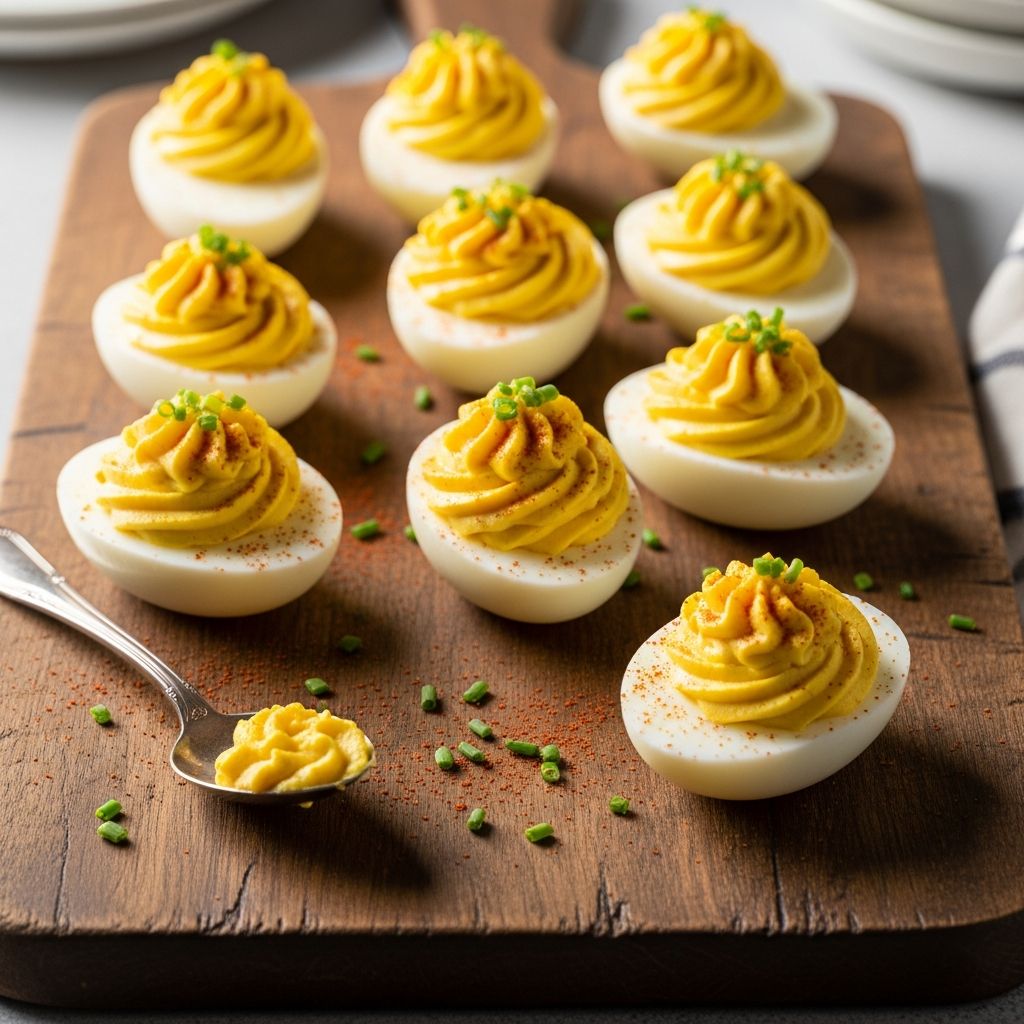
Deviled eggs stand as one of the most versatile and beloved appetizers in culinary tradition. These elegant bites combine hard-boiled eggs with a rich, velvety filling that transforms simple ingredients into something truly memorable. Whether you’re hosting a formal dinner party, casual gathering, or simply looking for a sophisticated snack, creamy deviled eggs deliver both style and satisfaction. The beauty of this classic preparation lies in its simplicity combined with the potential for creative customization.
Understanding the Foundation: What Makes Deviled Eggs
At their core, deviled eggs represent a straightforward concept—hard-boiled eggs are halved, and their yolks are combined with complementary ingredients to create a smooth, flavorful filling that gets piped back into the egg white vessels. The term “deviled” traditionally refers to the spicy elements incorporated into the mixture, though modern interpretations often emphasize creaminess and complexity over heat. The resulting dish offers a perfect balance of protein-rich substance with luxurious texture.
The appeal of deviled eggs extends beyond their taste. Their presentation is inherently elegant, requiring minimal plating effort while appearing sophisticated enough for upscale entertaining. Additionally, they can be prepared in advance, refrigerated, and brought out when needed, making them ideal for busy hosts.
Selecting Premium Ingredients for Superior Results
The Role of Quality Eggs
While any large eggs will technically work, starting with fresh, clean eggs produces the best outcomes. The quality of your eggs directly impacts both the cooking process and the final appearance of your dish. Fresher eggs may actually present a slight challenge during peeling, as the shell membrane adheres more firmly to the white. This is why many experienced cooks deliberately use slightly older eggs—the air pocket that develops over time helps separate the membrane from the white, facilitating easier peeling.
Mayonnaise: The Creamy Foundation
Mayonnaise serves as the essential base that transforms the mashed yolks into a luxurious cream. The proportion matters significantly—too little results in a dry, crumbly mixture, while too much creates an overly thick paste. Most traditional recipes use approximately one tablespoon of mayonnaise per three egg yolks, though personal preference should guide your final adjustment. Quality mayonnaise varieties produce noticeably creamier results than budget alternatives.
Mustard Varieties and Their Contributions
Mustard adds complexity and a subtle tang that elevates the overall flavor profile. Dijon mustard brings sophistication with its creamy texture and nuanced bite, while yellow mustard provides a more familiar, milder flavor. Many recipes benefit from combining both varieties—the Dijon contributes depth while yellow mustard offers brightness. Prepared horseradish can also enhance the mixture with an additional layer of sophisticated spice without overwhelming delicate palates.
Unexpected Additions for Enhanced Creaminess
The secret to exceptionally creamy deviled eggs often lies in additions beyond the standard mayonnaise base. Room-temperature butter adds silky richness and contributes to a lighter, less heavy texture compared to relying solely on mayo. Cream cheese provides another avenue for achieving the desired consistency while adding subtle tanginess. For a lighter alternative, Greek yogurt can replace a portion of the mayonnaise without sacrificing that essential creamy character.
Seasoning Components
Salt, white pepper, and cayenne pepper form the traditional spice foundation. However, vinegar—whether apple cider, white, or incorporated through pickle juice—adds brightness and prevents the filling from becoming cloying. Fresh herbs like chives and dill offer garden-fresh notes that make the final presentation pop both visually and flavor-wise.
The Cooking Process: Achieving Perfectly Hard-Boiled Eggs
Boiling Technique for Optimal Results
Begin by placing eggs in the bottom of a large saucepan and covering them with cool water by at least two inches. Bring the water to a rolling boil, then remove the pan from heat and cover it securely. Allow the eggs to stand in this hot water for fifteen to eighteen minutes for perfectly hard-boiled results. This gentle heat method prevents the gray-green ring that indicates overcooking and ensures creamy, tender yolks.
Some cooks add vinegar to the cooking water to help prevent cracking, though this step proves unnecessary with proper technique. The key is avoiding a rapid temperature drop after the initial boiling phase.
The Peeling Process
After the eggs have cooled slightly, gently tap them on the counter to create cracks throughout the shell. Roll the egg carefully across the counter surface while applying light pressure to create a comprehensive network of cracks. Starting from the wider end where the air pocket resides, begin peeling under cool running water. The water helps separate the membrane from the egg white, making the process considerably smoother. With practice, you’ll develop a technique that removes shells cleanly without damaging the delicate whites underneath.
Preparation Techniques: From Basic to Advanced
Traditional Hand-Mashing Method
Place cooked yolks in a small bowl and mash them with the back of a fork until they reach a fine, crumbly consistency. Add mayonnaise and other ingredients gradually, stirring constantly until achieving a smooth, lump-free texture. This method offers control and works beautifully when preparing smaller quantities.
Food Processor Approach for Silky Smoothness
For exceptionally smooth, professional-quality filling, combine all yolk ingredients in a food processor and blend for approximately thirty seconds. This method breaks down the yolks more uniformly and distributes ingredients more evenly, resulting in a texture that rivals restaurant preparations. The food processor also works particularly well when incorporating cream cheese or other creamy additions that might create lumps with manual mixing.
Piping and Presentation
Transfer the prepared filling into either a disposable piping bag or a simple Ziploc bag. If using a Ziploc, cut a small portion from one corner to create an impromptu piping tool. Fill each egg white cavity generously, creating an attractive mound or rosette. Alternatively, use a small spoon for a more rustic presentation. The piping method produces a more refined appearance suitable for formal occasions, while spooning works perfectly for casual gatherings.
Flavor Variations and Creative Adaptations
| Variation Name | Key Ingredients | Flavor Profile | Best For |
|---|---|---|---|
| Classic Creamy | Mayo, mustard, salt, pepper, paprika | Balanced and timeless | All occasions |
| Bacon-Enhanced | Crispy bacon pieces, chives, mayo | Savory and rich | Casual gatherings |
| Herb Garden | Fresh dill, chives, tarragon, lemon | Bright and fresh | Spring entertaining |
| Sweet and Tangy | Relish, sweet pickle juice, slight sugar | Subtly sweet with depth | Contemporary palates |
| Greek Yogurt Light | Greek yogurt, dill, minimal mayo | Creamy yet lighter | Health-conscious guests |
Adding Protein and Texture
Crumbled bacon adds both textural contrast and savory depth. Thick-cut bacon cooked until crispy provides substantial flavor without overwhelming delicate egg preparation. For vegetarian guests, crispy fried onions or toasted breadcrumbs create similar textural interest.
Herbal Enhancements
Fresh dill, tarragon, basil, or cilantro introduce garden-fresh notes that make the dish feel contemporary and thoughtful. Minced chives provide visual appeal and mild onion notes. Experimenting with different herb combinations allows you to create signature variations that reflect your culinary preferences.
Storage and Make-Ahead Strategies
One of the greatest advantages of deviled eggs is their make-ahead potential. Prepare the filling up to two days in advance and refrigerate it in an airtight container. Fill the egg whites no more than four hours before serving to prevent the whites from absorbing too much moisture and becoming soggy. If preparation timing is tight, you can boil and peel eggs one full day ahead, storing them submerged in cool water in the refrigerator.
For events requiring transport, fill eggs at home and pack them carefully in an airtight container with parchment between layers. Garnishes should be added shortly before serving to maintain visual appeal and prevent flavors from muddling together.
Common Challenges and Solutions
Addressing Lumpy Filling
If your yolk mixture becomes lumpy, strain it through a fine-mesh sieve to remove any remaining chunks before adding wet ingredients. Alternatively, processing the mixture for a few additional seconds will break down remaining lumps into a silky consistency.
Managing Overly Thick or Thin Consistency
If your filling seems too thick, add mayonnaise or vinegar one teaspoon at a time until reaching desired consistency. If it’s too thin, incorporate more mashed yolks or add cream cheese in small increments. The goal is a consistency that holds its shape when piped but spreads smoothly on the palate.
Preventing Gray Yolk Rings
The gray-green discoloration that occasionally appears on hard-boiled yolk surfaces results from overcooking. Using the precise timing method—boiling briefly followed by passive heat standing—prevents this issue entirely. If it occurs, simply remove the outer layer of yolk before mashing.
Serving Suggestions and Entertaining Tips
Present deviled eggs on chilled platters for optimal appearance and to help maintain the filling’s consistency in warm environments. Arrange them in neat rows or in a circular pattern for maximum visual impact. Include small serving utensils or toothpicks for guest convenience.
Calculate approximately two to three deviled eggs per person for appetizer service, or four to five for occasions where they’re a primary offering. Provide small napkins, as the creamy filling tends to be more delicate than other spreads.
Frequently Asked Questions
Can I prepare deviled eggs entirely in advance?
Yes, you can prepare the filling up to two days ahead, but fill the egg whites no more than four hours before serving to maintain the best texture and presentation.
What’s the secret ingredient for ultra-creamy deviled eggs?
Room-temperature butter or cream cheese added to the traditional mayonnaise base creates exceptional creaminess and silky texture.
How do I prevent eggs from cracking during cooking?
Bring them to boil slowly, then remove from heat and let them sit covered for fifteen to eighteen minutes. This gentle approach prevents cracking and overcooking.
Can I make deviled eggs without mayonnaise?
Greek yogurt, sour cream, or avocado can replace mayonnaise while maintaining creaminess and creating interesting flavor variations.
What garnishes work best for deviled eggs?
Paprika, fresh chives, crispy bacon, caviar, smoked salmon, or toasted breadcrumbs all enhance appearance and flavor depending on your menu theme.
References
- Creamy Dreamy Deviled Eggs — Happily Unprocessed. Accessed April 10, 2026. https://happilyunprocessed.com/creamy-dreamy-deviled-eggs/
- BEST Creamy Deviled Eggs — Pretty. Simple. Sweet. Accessed April 10, 2026. https://prettysimplesweet.com/best-creamy-deviled-eggs/
- Million Dollar Deviled Eggs — Sugar Spun Run. Accessed April 10, 2026. https://sugarspunrun.com/million-dollar-deviled-eggs/
Similar Articles






Read full bio of medha deb