Conserve Water in Your Kitchen
Discover practical strategies to slash water usage during meal prep, cooking, and cleanup for a greener home kitchen.
The kitchen stands as one of the highest water-consuming areas in most households. Everyday tasks like rinsing produce, boiling pasta, or scrubbing pots can lead to significant waste if not managed thoughtfully. By adopting simple, effective habits, you can drastically cut down on usage while maintaining delicious meals and a clean space. This guide explores proven methods drawn from expert recommendations to help you build a more water-efficient kitchen routine.
Mastering Produce Preparation Without Waste
Preparing fruits and vegetables often involves rinsing under a steady stream, but this habit squanders gallons daily. Switch to contained washing methods to capture and limit water needs.
- Fill a large bowl with cool water and agitate greens, carrots, or berries inside it. Lift items out with your hands or a slotted spoon, repeating with fresh water only if soil persists.
- For root vegetables like potatoes, use a peeler to remove outer dirt layers dry, reserving a quick swipe under the tap for stubborn spots.
- Strain the used bowl water through a fine mesh and repurpose it for watering indoor plants or starting soups, adding nutrients from the produce.
These steps not only preserve water but also retain more natural flavors and vitamins in your food compared to prolonged rinsing.
Optimizing Cooking Techniques for Efficiency
Cooking methods directly influence water demands. Boiling large pots full of liquid for vegetables or grains uses far more than necessary precision-based alternatives.
| Method | Water Used | Benefits |
|---|---|---|
| Steaming | 1-2 inches in pot | Retains nutrients, faster cooking |
| Boiling | Full pot coverage | More water, nutrient loss |
| One-pot meals | Single measured amount | Fewer dishes, less cleanup |
Steam broccoli or potatoes using just enough water to create vapor, covered tightly to trap heat and moisture. For pasta or rice, measure precisely to cover ingredients by half an inch, reducing boil-off and overflow risks. Embrace one-pot recipes like stews or casseroles that combine proteins, veggies, and grains in minimal liquid, simplifying both prep and washing.
Smart Defrosting and Thawing Practices
Running cold water over frozen meats or fish seems quick but devours up to several gallons per session. Plan ahead with fridge-based thawing for safety and savings.
- Transfer frozen items to the fridge 24 hours before use; they defrost evenly without bacterial risks.
- For same-day needs, seal in a zip-top bag and submerge in a single bowl of cool water, changing it once if over two hours.
- Avoid microwave defrosting unless portioned small, as it can lead to partial cooking and extra rinsing.
This approach aligns with food safety guidelines and eliminates tap waste entirely.
Efficient Dishwashing Strategies
Dishwashing, whether by machine or hand, offers prime opportunities for conservation. Running taps or pre-rinsing excessively inflates usage dramatically.
For hand washing, designate one basin for soapy suds and another for rinse water. Scrub items in the soap side, dip to rinse, and air-dry on a rack. This caps consumption at a few quarts versus 20 gallons from continuous flow.
Dishwasher users: Skip pre-rinsing by scraping residues directly into the unit. Run full loads only, selecting eco or sensor cycles on Energy Star models that use under 4 gallons per cycle—half the standard. Soak stuck-on bits in the machine’s pre-wash phase instead of faucet rinsing.
Appliance Upgrades and Maintenance Tips
Outdated fixtures leak resources silently. Prioritize fixes and swaps for immediate impact.
- Install low-flow aerators on faucets, limiting output to 1.5 gallons per minute while preserving pressure for tasks like filling pots.
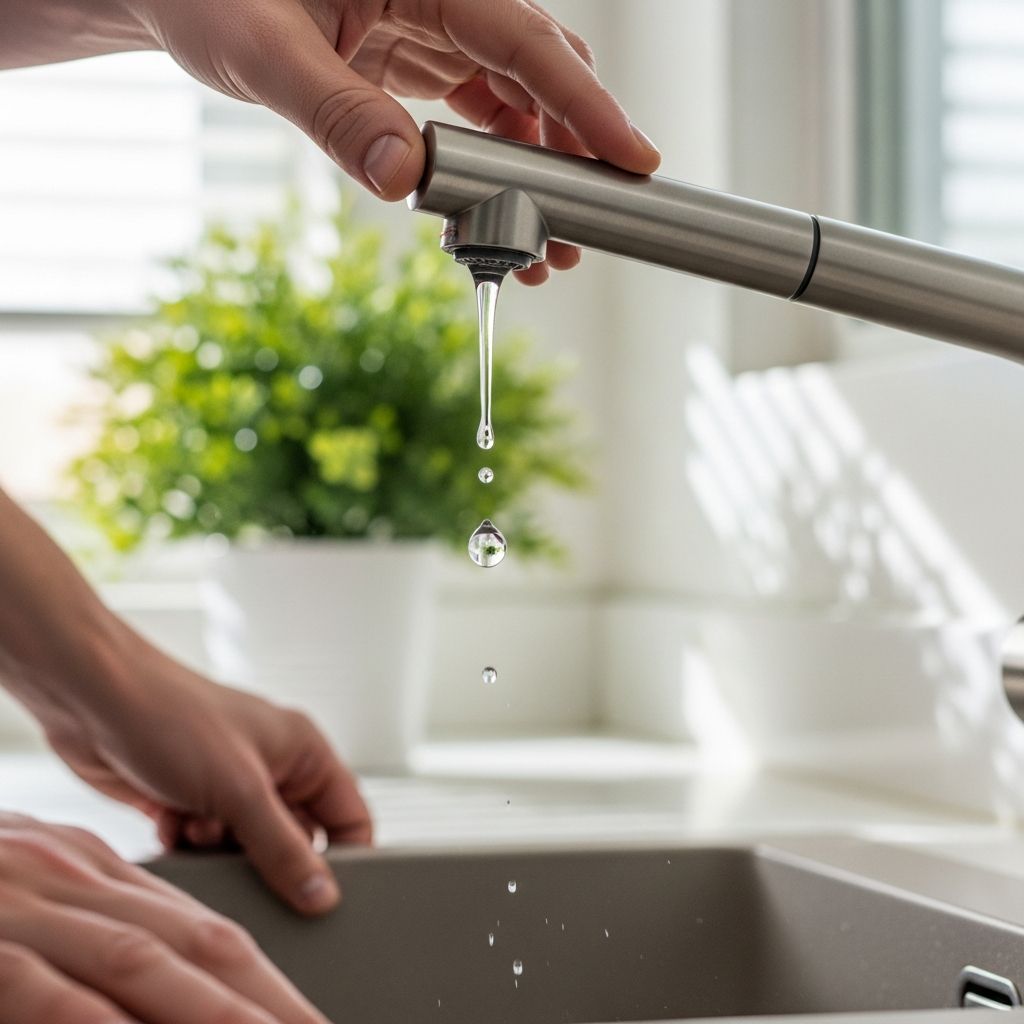
- Repair drips promptly; a single leaky faucet wastes 3,000 gallons yearly.
- Opt for instant hot water dispensers under sinks to bypass heating wait times.
Aerators alone can save hundreds of gallons annually, per conservation engineers. Energy Star dishwashers further amplify savings through precise metering.
Leveraging Lids and Pot Sizing
Heat management reduces cooking time and liquid needs. Always cover pots to retain steam, allowing lower stove settings without extending duration.
Match pan bases to burner sizes exactly; oversized cookware lets heat—and moisture—escape, prompting compensatory water additions. Use smaller vessels for modest portions, boiling faster with less volume.
Repurposing and Reuse Habits
Every drop counts—turn runoff into resources. Collect pasta boiling water (strained) for bread dough or vegetable stock. Veggie rinse water nourishes gardens after settling.
Keep a fridge pitcher for drinking water, chilled and ready, nixing tap runs for cold fills. Drop melting ice cubes into plants rather than the drain.
Advanced Cooking Methods
Modern tools minimize liquid further. Pressure cookers seal in moisture for beans or meats using a cup or less. Air fryers and microwaves require no water, crisping veggies dry. Slow cookers build flavors in covered, low-liquid environments.
Batch-prep salads or grains to consolidate washing into one session, amplifying efficiency.
FAQs
How much water does a typical dishwasher cycle use?
Modern Energy Star models average 3-4 gallons for a full load, versus 10+ for hand washing with running taps.
Is steaming always better than boiling for water savings?
Yes, it uses minimal liquid while preserving food quality and nutrients.
Can I reuse pasta water?
Absolutely—strain and use for soups, risottos, or plant watering.
What’s the best way to wash dishes by hand efficiently?
Two-basin method: one soapy, one rinse, no running water.
Do aerators really make a difference?
They reduce flow by 30-50%, saving up to 700 gallons yearly per faucet.
Building Lasting Habits
Track progress with a weekly usage log, aiming for 20-30% reductions. Involve family in challenges like ‘zero-run-tap days.’ These cumulative changes not only conserve a vital resource amid growing shortages but also trim utility bills and lessen environmental strain. Start with one tip today for compounding benefits.
References
- 7 Ways to Save Water While Cooking — Sunset Magazine. Accessed 2026. https://sunset.com/food-wine/7-ways-to-save-water-while-cooking
- 7 Ways to Conserve Water in the Kitchen — Roto-Rooter Blog. Accessed 2026. https://www.rotorooter.com/blog/water-conservation/3-ways-to-conserve-water-in-the-kitchen/
- 10 Tips to Save Energy and Water in the Kitchen — UAL Halls Life. Accessed 2026. https://hallslife.arts.ac.uk/story/11567028/10-tips-to-save-energy-and-water-in-the-kitchen
- 9 Tips to Use Less Water in the Kitchen — Experience Life Magazine. Accessed 2026. https://experiencelife.lifetime.life/article/9-tips-to-use-less-water-in-the-kitchen/
- Indoor Tips: Kitchen Water Saving — City of California City (PDF). Accessed 2026. https://www.californiacity-ca.gov/CC/images/Indoor_Tips_100.pdf
Similar Articles





Read full bio of Sneha Tete