Citrus Stone Fruit Chicken: Easy Step-By-Step Recipe
Discover how fresh citrus and stone fruit elevate weeknight poultry
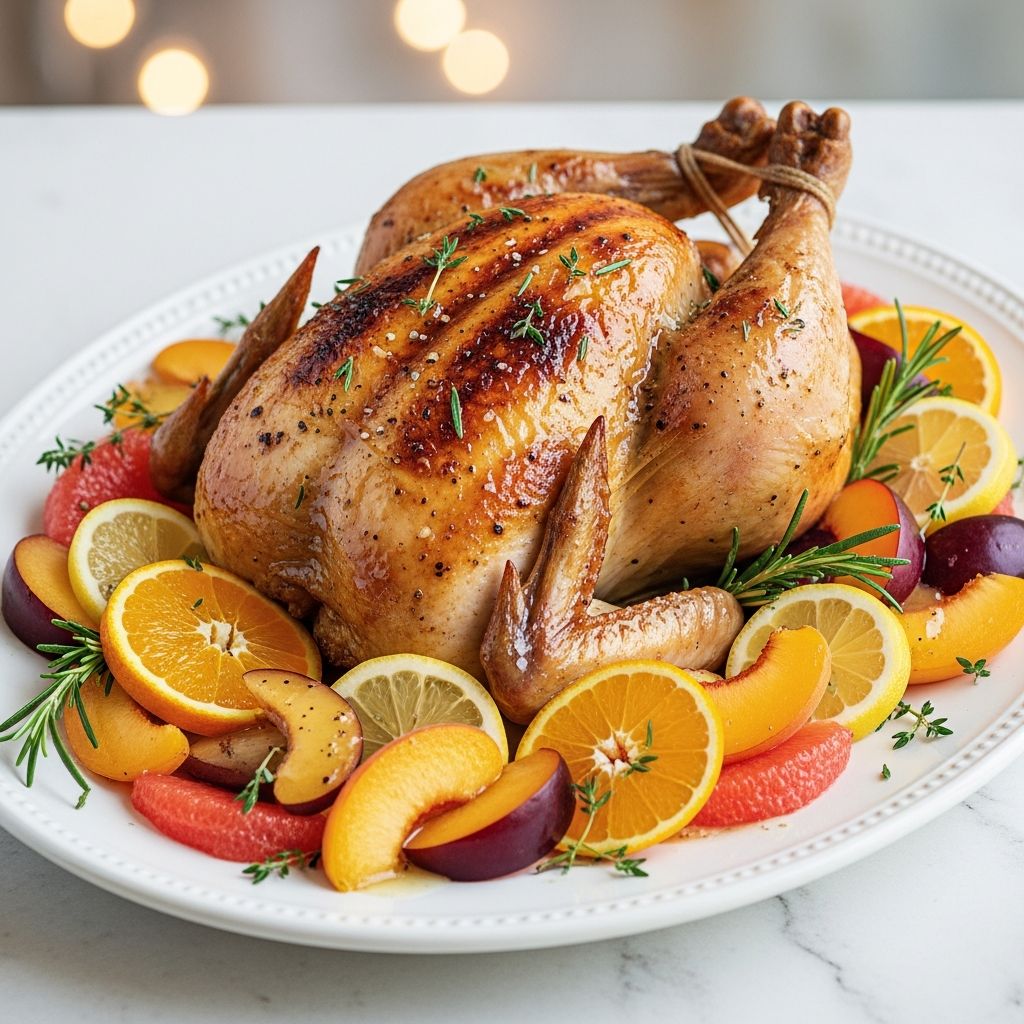
Creating an elegant dinner at home doesn’t require complicated techniques or obscure ingredients. By combining tender chicken with the brightness of fresh citrus and the subtle sweetness of stone fruits, home cooks can achieve restaurant-quality results in their own kitchens. This approach to poultry preparation has gained popularity among culinary enthusiasts seeking to move beyond standard chicken recipes while maintaining accessibility and ease of execution.
Understanding the Foundation: Selecting Your Proteins
The quality of your finished dish begins with thoughtful protein selection. When preparing citrus and stone fruit-based poultry dishes, the choice between different chicken cuts significantly impacts both the cooking process and final texture. Boneless, skinless chicken breasts offer a lean option that appeals to health-conscious cooks, while thighs provide inherently more moisture and flavor complexity. The darker meat of thighs contains higher fat content, which prevents drying during the cooking process and develops richer caramelization when seared.
For this particular preparation method, cutting your chosen protein into uniform pieces ensures even cooking throughout. Pieces sized between three-quarters and one-and-a-half inches work optimally, providing adequate surface area for browning while maintaining interior tenderness. Consistency in sizing prevents some portions from overcooking while others remain underdone.
Crafting the Glaze: Balancing Sweet and Savory Elements
The glaze that characterizes this dish represents a careful balance of complementary flavors. Fresh citrus juice provides natural acidity and bright notes that cut through rich elements while adding moisture to the cooking process. The inclusion of genuine orange zest intensifies citrus character without adding excess liquid, contributing subtle aromatic qualities that deepen the overall flavor profile.
Sweetening components typically include honey or brown sugar, which caramelize during reduction and create an appealing glossy finish. These ingredients also balance the saltiness derived from soy sauce, creating complexity rather than one-dimensional taste. Aromatic components such as fresh ginger and garlic add depth and warmth, while small quantities of heat from chili-based elements introduce subtle spice that enhances perception of other flavors without overwhelming the palate.
Key Glaze Components and Their Functions
- Citrus juice and zest: Provides acidity for flavor balance and prevents heaviness while adding authentic brightness
- Soy sauce: Contributes umami depth and natural saltiness that enhances overall dish complexity
- Sweetening agents: Create glaze body through caramelization and balance savory and acidic elements
- Fresh aromatics: Ginger and garlic develop during initial cooking, creating layered flavor foundation
- Heat components: Small amounts of chili or hot sauce introduce subtle spice that enhances other flavors
Textural Contrast: The Role of Stone Fruit
Incorporating fresh stone fruits such as nectarines introduces textural variety and subtle sweetness that complements rather than competes with primary flavors. Stone fruits possess natural sugars that intensify during gentle cooking, while their firm-yet-yielding texture provides pleasant contrast to tender poultry. The slightly fuzzy exterior and smooth interior of nectarines create visual interest while their flavor bridges citrus brightness and savory elements.
Rather than cooking stone fruits for extended periods, which breaks down their structure and creates mushiness, brief warming allows them to soften slightly while maintaining integrity. This approach preserves textural definition and prevents the fruit from becoming an indistinct component of the glaze.
Execution: A Step-by-Step Approach to Preparation
Initial Preparation Phase
Success begins with organized mise en place—having all ingredients measured, cut, and arranged before cooking begins. This prevents scrambling mid-recipe and ensures proper timing for each component. Begin by cutting your chicken into uniform pieces and preparing the glaze mixture by whisking together citrus juice, soy sauce, sweetening agents, aromatics, and heat elements. Stone fruits should be washed, halved to remove pits, and cut into wedges or chunks appropriate to your intended presentation.
The Searing Stage
Heat a substantial skillet or wok over medium-high temperature until the surface is adequately hot for proper browning. Rather than adding all chicken simultaneously, which causes temperature drops and prevents browning, work in batches using oil sparingly. The goal involves creating golden-brown surfaces through the Maillard reaction—a chemical process that develops complex flavors while creating appealing visual contrast.
Allow chicken pieces to establish contact with the hot surface without moving them continuously. Approximately three to four minutes per side allows browning to develop adequately while cooking progresses internally. Only flip pieces once to preserve crust formation and maintain even cooking throughout.
Glaze Integration and Final Cooking
Once all protein has been browned and temporarily removed from the cooking vessel, reduce heat to medium and introduce the prepared glaze mixture directly to the pan. The residual heat and fond—browned bits adhering to the pan bottom—incorporate into the liquid, intensifying flavor. Return cooked chicken to the pan and maintain a gentle simmer, allowing the glaze to reduce gradually and thicken.
Stone fruit additions should occur toward the cooking process’s conclusion, allowing them to warm through and soften slightly without disintegrating. A five to seven-minute simmering period typically provides adequate time for glaze reduction while preserving fruit texture and nutritional properties.
Understanding Glaze Consistency and Reduction
Achieving the correct glaze consistency requires understanding how heat reduces liquid content. As simmering continues, water evaporates while sugars concentrate, creating a glossy coating that clings to chicken rather than pooling at the pan bottom. The transformation from pourable sauce to spreadable glaze typically requires five to ten minutes of gentle simmering, though timing varies based on glaze volume and pan size.
For those seeking thicker results, a slurry created by mixing cornstarch with small amounts of water can be slowly incorporated during simmering. This technique provides more predictable thickening and eliminates guesswork regarding appropriate cooking duration. Approximately one tablespoon of cornstarch mixed with two tablespoons of cold water typically thickens one to one-and-a-half cups of liquid adequately.
Flavor Customization: Adapting the Recipe to Personal Preferences
While the foundational combination of citrus, stone fruit, and poultry creates reliable results, this approach accommodates significant customization based on available ingredients and taste preferences. Those preferring more pronounced spice can increase chili content or incorporate sriracha, while additional honey or brown sugar suits those with sweeter inclinations. The substitution of lime juice for orange juice creates a different but equally valid flavor profile with Asian-inspired characteristics.
Stone fruit varieties offer additional flexibility—plums, peaches, or apricots provide alternatives to nectarines while maintaining the fundamental textural and flavor benefits. Seasonal availability should inform your choices, as in-season fruits offer superior flavor development and better value propositions than out-of-season alternatives.
Service Suggestions and Complementary Accompaniments
The richness of glazed poultry benefits from neutral starch foundations that absorb sauce while allowing central components to maintain prominence. Steamed white rice, brown rice, or basmati rice provide traditional options, while cauliflower rice or other grain substitutes accommodate dietary preferences. These options prevent sauce waste while providing textural contrast.
Vegetable additions enhance both visual appeal and nutritional density without overwhelming primary flavors. Quickly sautéed green onions introduce mild onion character and color, while julienned carrots or snap peas maintain their slight firmness and contribute sweetness that complements stone fruits. Fresh cilantro scattered over the finished dish provides herbaceous brightness and aromatic complexity that elevates the presentation.
Storage and Make-Ahead Considerations
This dish accommodates advance preparation, though execution timing differs from fresh preparation. The glaze mixture can be prepared several days ahead and refrigerated in airtight containers, while stone fruits are best cut closer to serving to prevent oxidation and moisture loss. Fully assembled dishes can be refrigerated for three to four days, though reheating requires gentle approaches to prevent overcooking delicate proteins.
When reheating, low oven temperatures around three hundred twenty-five degrees Fahrenheit work better than microwave reheating, which creates uneven temperature distribution and potentially rubbery chicken texture. Adding small amounts of broth or water before reheating prevents excessive drying during the warming process.
Nutritional Considerations and Health Benefits
Poultry provides excellent protein density while remaining relatively lower in calories compared to alternative protein sources. The inclusion of fresh citrus contributes vitamin C content and antioxidants, while stone fruits provide fiber and additional micronutrients. The glaze, while flavorful, uses moderate sweetening amounts that contribute to overall dish appeal without excessive added sugar when portioned thoughtfully.
By controlling oil quantities, selecting leaner protein options, and emphasizing vegetable components in accompanying plates, this preparation method aligns with various dietary approaches while maintaining authentic flavor development and satisfaction.
Troubleshooting Common Challenges
Recognizing and addressing potential issues ensures consistent success across multiple preparations. Dry chicken results from overcooking or insufficient glaze moisture—solution approaches include reducing cooking duration, increasing glaze volume, or selecting thighs instead of breasts. Glaze that remains too thin despite extended simmering might require additional cornstarch slurry or reduced glaze volume for the initial liquid quantity used.
Stone fruits that become mushy indicate either extended cooking periods or overly soft fruit selection—choose slightly firmer specimens and introduce them later in the cooking process. If flavors taste one-dimensional or flat, evaluate whether adequate salt was incorporated and whether aromatics received sufficient cooking duration to develop fully.
Frequently Asked Questions
Can this recipe be prepared with frozen chicken? Frozen chicken can be used if thawed completely in refrigerator overnight before cooking. Partially thawed or still-frozen protein leads to uneven cooking and safety concerns.
What vegetables work well with this preparation? Bell peppers, broccoli, snap peas, baby bok choy, and mushrooms all complement the flavor profile. Add hardy vegetables early in cooking and tender varieties near the end.
How far in advance can preparation begin? The glaze can be prepared up to three days ahead, while proteins and stone fruits should be cut closer to cooking for optimal quality and safety.
Does this recipe adapt to slow cooker cooking? While possible, slow cooking produces softer textures without the browning benefits of searing, resulting in less complex flavor development. Traditional stovetop methods yield superior results.
Can other citrus fruits substitute for orange? Lemon and lime both work effectively, though they create different flavor profiles. Lime imparts more Asian-inspired characteristics while lemon provides sharper acidity.
References
- Sticky Orange Chicken Recipe — Savor with Jennifer. 2024. https://savorwithjennifer.com/sticky-orange-chicken-recipe/
- Sticky Orange Chicken — Delish. 2024. https://www.delish.com/cooking/recipe-ideas/recipes/a52467/sticky-orange-chicken-recipe/
- The Best Orange Chicken Recipe — Foxes Love Lemons. 2024. https://foxeslovelemons.com/spicy-orange-ginger-chicken/
- Honey Orange Glazed Chicken Recipe — Mom Foodie. 2024. https://momfoodie.com/honey-orange-glazed-chicken-recipe/
- Sticky Orange Chicken with Nectarines — Ella’s Pantry. 2024. https://www.ellaspantry.co.uk/recipes/sticky-orange-chicken-with-nectarines
Similar Articles



Read full bio of Sneha Tete