Citric Acid in Cooking: Essential Guide
Unlock the power of citric acid for safer canning, brighter flavors, and smarter substitutions in your kitchen adventures.
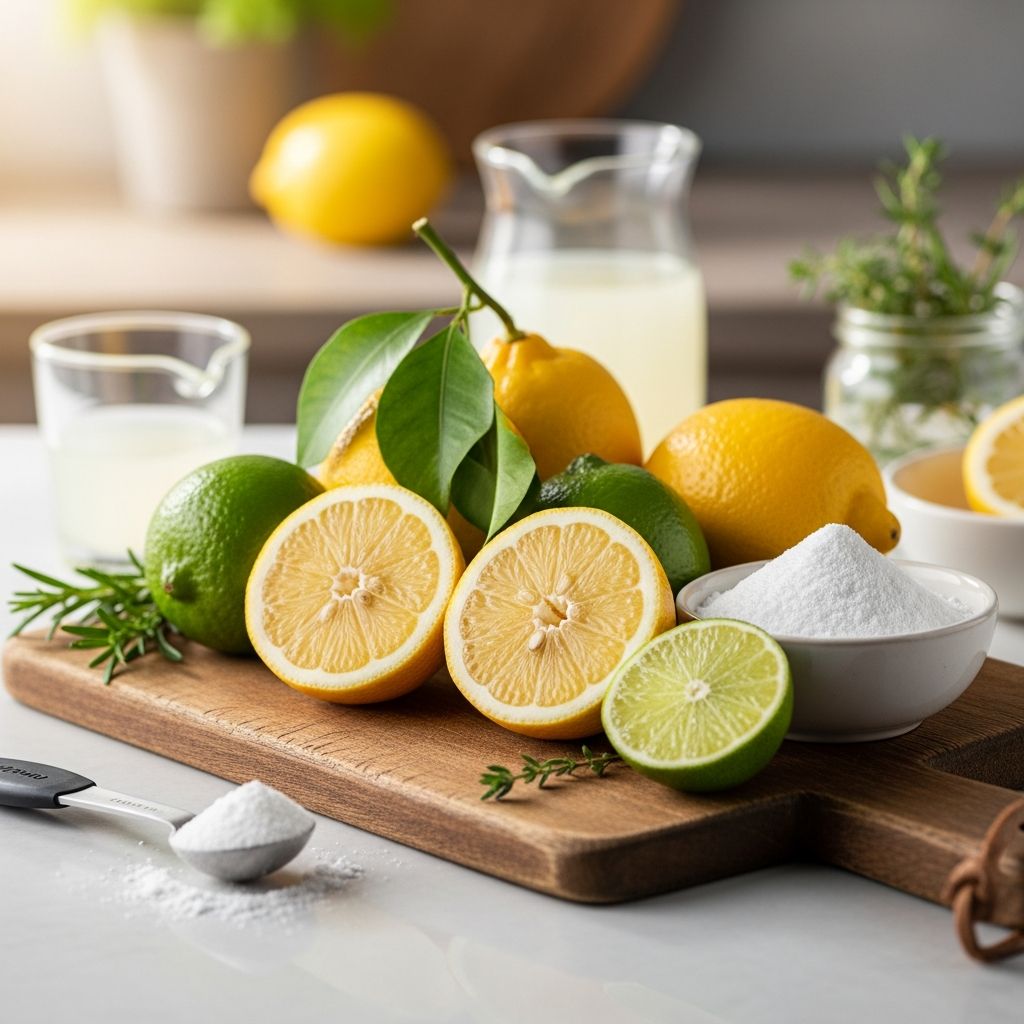
Citric acid, a naturally occurring compound found in citrus fruits, serves as a powerhouse ingredient in modern kitchens. This white crystalline powder, often called sour salt, excels in food preservation, flavor enhancement, and as a reliable substitute for other acids. Home cooks value it for boosting safety in canning while maintaining natural tastes without overpowering flavors.
Understanding Citric Acid’s Role in the Kitchen
Citric acid lowers pH levels in foods, creating an environment hostile to harmful bacteria like botulism spores. Unlike lemon juice or vinegar, it adds acidity without introducing additional flavors, making it ideal for delicate recipes. Its concentrated form means small amounts deliver significant impact, perfect for precise control in cooking and preserving.
In home canning, foods must reach a pH below 4.6 for safe water bath processing. Tomatoes, often hovering near this threshold, benefit greatly from acidification. Citric acid ensures compliance without altering the product’s character.
Mastering Citric Acid for Safe Home Canning
Health authorities endorse citric acid for elevating low-acid foods into safe territory. The USDA recommends it alongside lemon juice and vinegar for items like tomatoes, noting improvements in flavor retention and color stability.
For tomatoes, standard guidelines call for ½ teaspoon per quart or ¼ teaspoon per pint. This dosage matches the acidity of 2 tablespoons of bottled lemon juice, but citric acid proves more potent, requiring less volume for equivalent safety.
- Tomatoes (whole, crushed, or juiced): Add ½ tsp/quart to prevent botulism risk during water bath canning.
- Figs and Asian pears: Use to push pH below 4.6, essential for borderline low-acid fruits.
- Salsas and relishes: Incorporate as recipe directs, never reducing amounts.
Avoid using citric acid for low-acid vegetables like green beans, which demand pressure canning instead. Always follow tested recipes from reputable sources to ensure proper acidification timing and quantity.
| Food Item | Citric Acid per Quart | Equivalent Lemon Juice | Processing Method |
|---|---|---|---|
| Tomatoes | ½ tsp | 2 tbsp | Water bath |
| Tomato juice | ¼ tsp per pint | 1 tbsp per pint | Water bath |
| Figs | As recipe specifies | N/A | Water bath |
This table illustrates precise measurements, emphasizing citric acid’s efficiency. One 4-ounce package treats about 45 quarts of tomatoes, offering cost-effective preservation.
Preventing Produce Browning with Citric Acid
Enzymatic browning plagues cut fruits and vegetables like apples, pears, and celery root. Citric acid in acidulated water halts this oxidation, keeping produce vibrant. Dissolve ⅛ teaspoon in 3 cups of water for an effective soak.
Beyond visuals, it preserves nutritional integrity by curbing vitamin C loss. Spray or dip slices before assembly in salads or garnishes for professional results.
- Apples and pears: Soak 5-10 minutes to maintain white flesh.
- Avocados: Light dip prevents guacamole discoloration.
- Potatoes: Use for french fries or salads to avoid graying.
Citric Acid as a Flavor Enhancer and Seasoning
Known as sour salt, citric acid amplifies umami and balances sweetness in dishes. Add pinches to sauces, marinades, or baked goods for a bright tang without citrus notes. In bread, like sourdough, 1 tablespoon maximum mimics fermented sharpness.
For meats, a pre-cook spray of 1 ounce citric acid in 1 quart water kills surface bacteria, tenderizing while enhancing juiciness.
Smart Substitutions: Citric Acid Equivalents
Citric acid replaces lemon juice or vinegar seamlessly, especially in large quantities where flavors might clash.
| Citric Acid Amount | Equals Lemon Juice | Equals Vinegar (5%) | Best Uses |
|---|---|---|---|
| ¼ tsp | 1 tbsp | N/A | Small recipes, cheeses |
| ½ tsp | 2 tbsp | N/A | Tomato canning |
| 1 tsp | ¼ cup (4 tbsp) | N/A | Baking, sauces |
| ½ tsp dissolved in 2 tbsp water | N/A | 2 tbsp | Pickles, dressings |
These conversions ensure consistent results. For fresh cheeses, ½ teaspoon replaces ¼ cup lemon juice, yielding smoother curds.
In canning, prefer citric acid for neutrality; bottled lemon juice works but varies in strength, while fresh lemons are unreliable.
Storage and Handling Best Practices
Store citric acid in a cool, dry place away from light and heat. Under ideal conditions (below 30°C and 70% humidity), it lasts four years. Original packaging preserves potency.
- Keep in airtight containers to prevent moisture absorption.
- Avoid proximity to bases like baking soda to prevent reactions.
- Measure with dry spoons for accuracy.
Safety Considerations and Common Mistakes
Never deviate from recipe-specified acid levels, as under-acidification risks botulism. Confusing citric acid with ascorbic acid (vitamin C) is a frequent error; the latter only preserves color, not safety.
Use only 5% acidity vinegars if substituting, and avoid homemade versions. For pickles, sugar mitigates sourness rather than reducing acid.
Advanced Applications in Cheese Making and Baking
In cheesemaking, citric acid coagulates milk proteins for mozzarella or ricotta. Dissolve 1.5 teaspoons in ½ cup cool water per gallon of milk, heat to 90°F, then add rennet for quick curds.
Bakers employ it in rye breads for sour profile or candies for tartness. It stabilizes whipped creams and prevents sugar crystallization in syrups.
Environmental and Sourcing Insights
Produced via fermentation of sugars by Aspergillus niger mold, citric acid is vegan and widely available in canning aisles or online. Opt for food-grade purity.
FAQs
Is citric acid safe for canning all vegetables?
No, only acidify high-acid foods or recipes specifying it. Low-acid veggies require pressure canning.
Can I use citric acid instead of vinegar in pickles?
Yes, in equivalent acidity amounts, but test recipes carefully as flavors differ.
How does citric acid prevent botulism?
It lowers pH below 4.6, inhibiting Clostridium botulinum spore germination.
What’s the shelf life of citric acid?
Up to four years in proper storage.
Is citric acid natural?
Yes, derived from citrus and produced via natural fermentation.
References
- Citric Acid and Home Canning — Healthy Canning (citing USDA). 2015 (updated). https://www.healthycanning.com/citric-acid-and-home-canning/
- Acidifying Canned Products for Safety — Penn State Extension. N/A. https://extension.psu.edu/acidifying-canned-products-for-safety/
- Cooking with Citric Acid 101 — Lemi Shine. N/A. https://lemishine.com/blogs/citric-acid/cooking-with-citric-acid-101
- Stock Citric Acid for Canning — YouTube (Short). N/A. https://www.youtube.com/shorts/nUQvlkk5aV4
Similar Articles





Read full bio of medha deb