Chuck Steak Cooking Guide: Affordable Cuts, Premium Results
Master budget-friendly chuck steak with versatile cooking methods and flavor-packed recipes.
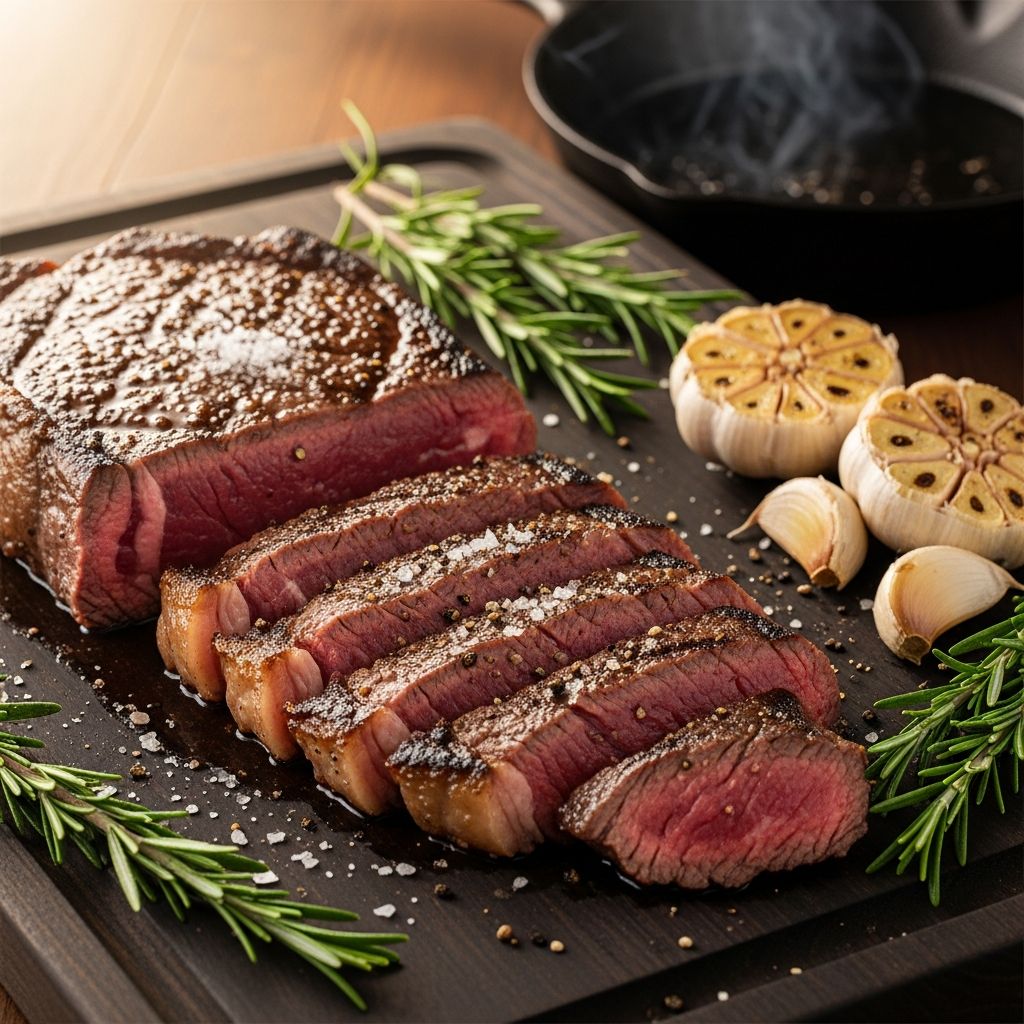
Chuck steak represents one of the most underrated cuts of beef available to home cooks. Despite its reputation as an economical choice, this versatile cut can be transformed into restaurant-quality meals through proper cooking techniques and thoughtful preparation. The key to success lies in understanding the meat’s composition and selecting cooking methods that work with rather than against its natural characteristics.
Understanding Chuck Steak: Why This Cut Deserves Your Attention
The chuck comes from the shoulder region of the cow, an area that develops significant muscle activity throughout the animal’s life. This constant movement creates a cut with more fat marbling and connective tissue compared to premium steaks, but these characteristics, when properly handled, become assets rather than liabilities. The intramuscular fat renders during cooking, creating natural moisture and flavor that more expensive cuts sometimes lack.
The primary advantage of cooking with chuck steak extends beyond mere affordability. The meat’s composition makes it remarkably forgiving for various cooking methods. Home cooks can experiment with braising, grilling, stir-frying, and slow-cooking without fear of producing tough or dry results, provided they understand the basic principles that govern each technique.
Braising Techniques: Unlocking Tenderness Through Liquid Cooking
Braising represents perhaps the most effective method for transforming chuck steak into supremely tender meat. This technique involves searing the meat in fat to develop a flavorful crust, then simmering it slowly in liquid until the connective tissue breaks down into gelatin, creating a naturally luxurious texture.
The Dutch Oven Method
A properly executed Dutch oven braise begins with thorough drying and seasoning of the meat. After searing the chuck in hot fat until all sides develop a deep brown crust, transfer the pot to a preheated oven where consistent, gentle heat surrounds the meat from all directions. This environment promotes even cooking and allows the braising liquid—whether wine, stock, or tomato-based—to penetrate the meat evenly. The enclosed Dutch oven retains moisture, preventing the meat from drying out during the extended cooking time.
Select braising liquids that complement the meal’s final destination. Red wine creates an elegant sauce suitable for serving over creamy mashed potatoes, while tomato-based liquids work beautifully in rustic pasta sauces or served alongside crusty bread. The acid in wine and tomatoes actively works to break down connective tissue, accelerating the tenderization process.
Wine-Based Braises
When using wine as the primary braising liquid, proper deglazing technique becomes crucial. After searing the meat, remove it temporarily and pour wine into the hot pot, using a wooden spoon to scrape up the browned fond that stuck to the bottom. These caramelized bits contain concentrated beef flavors and should never be discarded. Let the wine reduce slightly before adding aromatics like onions, carrots, and garlic, along with beef stock to achieve the proper ratio of liquid to meat.
The extended braising time—typically two to three hours at a gentle simmer—allows the wine’s complex flavors to meld with the beef while tannins soften. The result is a sauce that tastes less aggressive than the raw wine and instead becomes smooth and velvety, perfect for coating the now-tender meat.
Pan-Searing and Cast Iron Techniques
Not every chuck steak preparation requires hours of cooking. Chuck eye steaks, specifically the tender eye muscle, can be quickly seared in a cast iron skillet to create a steakhouse-quality result without advanced braising techniques. Success depends on understanding the critical factors that influence the final outcome.
The Importance of High Heat
Cast iron skillets excel at reaching and maintaining high temperatures. Preheat the skillet until it’s hot enough that a drop of water immediately beads and skitters across the surface. This temperature ensures the meat’s exterior undergoes the Maillard reaction, creating a flavorful crust through the browning of proteins and sugars. The high heat also creates a temporary barrier that slows moisture loss during the initial cooking phase.
Season the chuck steak generously with salt and pepper just before it enters the skillet, allowing the salt to enhance browning rather than drawing out moisture. Place the meat in the hot skillet without moving it—resist the urge to flip or reposition frequently. Allow the first side to develop a substantial crust, typically three to four minutes, before flipping. The second side requires less time due to the meat’s retained internal heat.
Butter Basting for Enhanced Flavor
During the final minute of cooking, introduce butter to the pan along with minced garlic and fresh thyme sprigs. As the butter foams, continuously tilt the skillet and use a spoon to baste the meat with this aromatic mixture. This technique, known as arroser, infuses flavor deep into the meat while keeping the exterior moist. The butter also enhances browning and adds richness to the final product.
Remove the steak from heat when the internal temperature reaches approximately 125°F for medium-rare. The residual heat will continue cooking the meat as it rests, ultimately reaching 130-135°F. This resting period, lasting five to ten minutes, allows muscle fibers to relax and reabsorb juices, ensuring each bite remains succulent.
Marinating Strategies for Maximum Flavor
Marinades serve multiple purposes when applied to chuck steak. Beyond adding surface flavor, the acidic components in many marinades begin breaking down muscle fibers, while oil carries fat-soluble compounds that enhance taste perception. A well-designed marinade can prepare chuck steak for grilling in as little as two hours, though longer marinating periods—up to twenty-four hours—produce more pronounced results.
Acidic Marinade Components
The acidity in marinades comes from red wine vinegar, citrus juice, or tomato products. These acidic elements partially denature the proteins on the meat’s surface, creating a slightly softer texture that absorbs surrounding flavors more effectively. Combine acid with quality olive oil—which carries fat-soluble aromatics—along with aromatic vegetables and herbs like garlic, rosemary, and thyme.
Brown sugar or honey added in small quantities balances acidity and promotes caramelization during cooking. Italian seasoning, red pepper flakes, and freshly ground black pepper round out a versatile marinade suitable for grilling. Prepare this mixture several hours before cooking, allowing the flavors to meld and intensify.
Global Cooking Applications
Chuck steak’s affordability and forgiving nature make it ideal for exploring international cuisines without financial pressure. Various global cooking traditions have developed techniques specifically suited to this cut’s characteristics.
Stir-Frying for High-Heat Cooking
Asian cuisines frequently employ chuck steak in high-heat stir-fry preparations. Slice the meat against the grain into thin strips approximately one-quarter inch thick. The high fat content prevents the meat from drying out during intense, brief cooking. Coating the strips lightly in cornstarch before frying creates a crispy exterior that contrasts beautifully with the tender interior. The sauce should coat the meat evenly without creating a runny consistency, achieving this through careful reduction before combining with the fried meat.
Slow-Cooked International Styles
Italian cuisine transforms chuck into a rustic ragu through extended simmering in tomato sauce. Korean preparations employ chuck in bulgogi applications, marinating thin slices in a sweet and savory mixture before grilling. French beef bourguignon showcases chuck’s ability to become completely tender while absorbing complex wine-based braising liquids. These diverse applications demonstrate chuck’s true versatility.
Sandwich and Casual Preparations
Chuck steak proves equally valuable for casual sandwiches and quick meals. Thinly sliced chuck works beautifully in Philly-style cheesesteak sandwiches when sautéed with caramelized onions and peppers. The meat’s natural fat content maintains juiciness despite the high heat used during quick cooking, producing a sandwich that rivals versions made with premium cuts.
Essential Cooking Comparison
| Cooking Method | Preparation Time | Total Cook Time | Best Results For | Equipment Needed |
|---|---|---|---|---|
| Braising in Dutch Oven | 15 minutes | 2-3 hours | Tender, sauce-based dishes | Dutch oven, stovetop/oven |
| Cast Iron Pan-Searing | 5 minutes | 8-12 minutes | Quick weeknight steaks | Cast iron skillet, stovetop |
| Grilling with Marinade | 5 minutes (plus 2-24 hour marinate) | 10-15 minutes | Outdoor entertaining | Grill, marinade container |
| Stir-Frying | 10 minutes (slicing) | 5-7 minutes | Asian-inspired dishes | Wok or large skillet |
| Slow Cooker | 10 minutes | 6-8 hours | Set-and-forget meals | Slow cooker |
Frequently Asked Questions About Chuck Steak
How thick should I cut chuck steak for different preparations?
For braising and slow-cooking, cut chuck into chunks approximately one to two inches wide, ensuring uniform size for even cooking. For pan-searing steaks, maintain thickness between three-quarters and one inch. For stir-frying and sandwich preparations, slice against the grain into pieces roughly one-quarter inch thick.
What is the difference between chuck steak and chuck roast?
Chuck steak typically refers to sliced cuts suitable for individual portions, while chuck roast describes larger, unsiced portions intended for feeding multiple people. The cooking principles remain identical; only the serving format differs.
Can I achieve medium-rare doneness with chuck steak?
Yes, chuck eye steaks specifically respond well to quick cooking methods that produce medium-rare results. Avoid achieving this doneness level with heavily braised or slow-cooked preparations, where extended cooking times would prevent medium-rare from being reached before the meat becomes tough again.
How long can marinated chuck steak remain in the refrigerator?
Most marinades are safe for twenty-four to forty-eight hours. Extended marinating beyond this period may result in excessively soft meat as acid denatures excessive amounts of protein. Mark your container with the marinating start time to avoid confusion.
Should I remove fat from chuck steak before cooking?
No. The fat renders during cooking, creating flavor and moisture. Trim only excessive exterior fat that won’t render during the cooking time available, keeping the fat cap at approximately one-quarter inch thickness.
Storage and Make-Ahead Strategies
Braised chuck steak dishes actually improve with time as flavors continue developing. Prepare these meals one to two days in advance, allowing the meat to absorb more sauce flavor while resting in the refrigerator. Reheat gently on the stovetop or in a low oven to prevent toughening.
Marinated chuck steak can be prepared in advance, with the meat marinating overnight before grilling the following day. This flexibility makes chuck steak particularly suitable for entertaining, as much of the preparation occurs before guests arrive.
References
- Beef Chuck Steak Recipes and Cooking Guide — A Pinch of Adventure. Accessed April 2026. https://apinchofadventure.com/chuck-steak-recipes/
- Grilled Chuck Steak with Garlic Butter — Sunday Supper Movement. Accessed April 2026. https://sundaysuppermovement.com/grilled-chuck-steak/
- Chuck Eye Steak Recipe That Tastes Like Ribeye — Key To My Lime. Accessed April 2026. https://keytomylime.com/chuck-eye-steak-recipe/
- Chuck Eye Steak Recipe for Oven or Grill — Wholesome Yum. Accessed April 2026. https://www.wholesomeyum.com/chuck-eye-steak/
Similar Articles







Read full bio of medha deb