Cherry Limeade Recipe: Summer Refreshment Guide
Master the art of crafting homemade cherry limeade with simple ingredients and easy techniques.
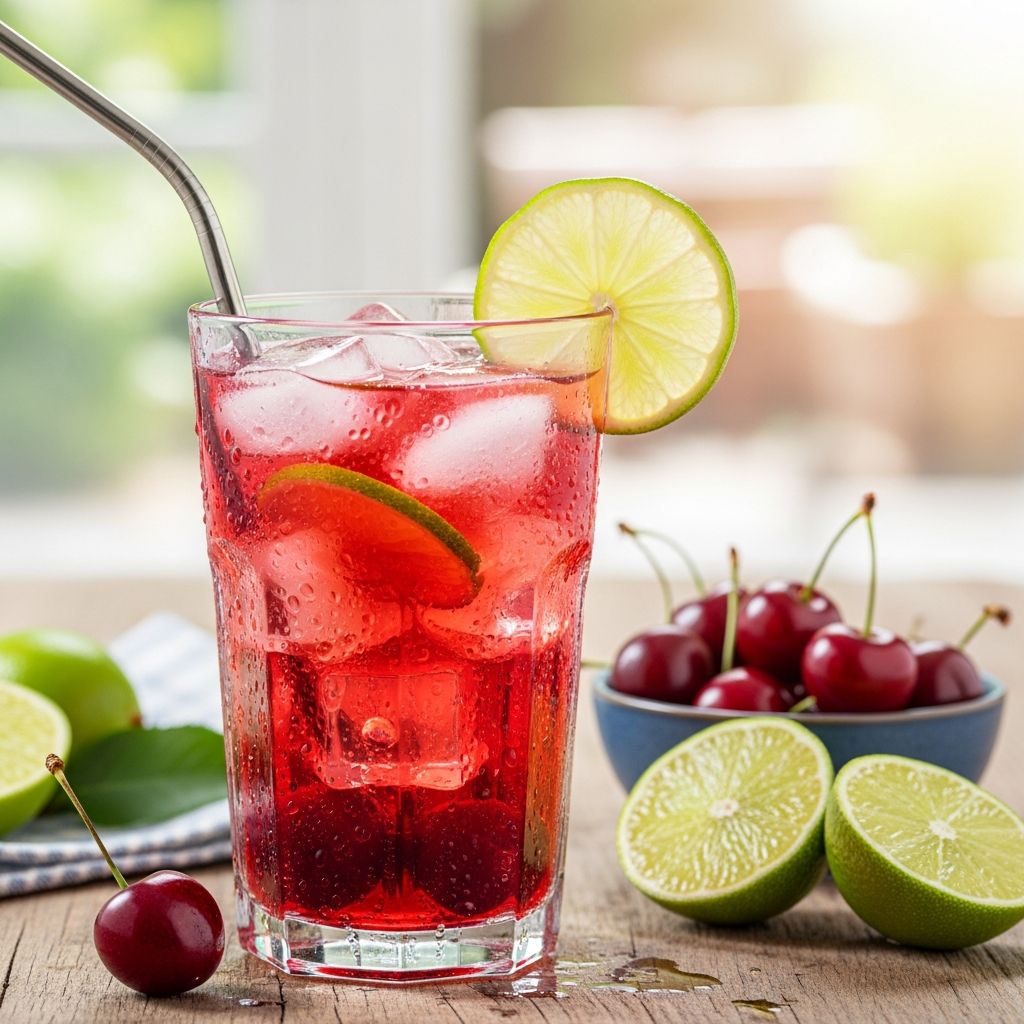
Cherry limeade represents one of the most beloved summertime beverages, offering a perfect balance of tart and sweet flavors that appeal to both children and adults. This fruit-forward drink combines the vibrant tartness of fresh lime juice with the subtle sweetness of cherries, creating a refreshing experience that transcends ordinary commercial sodas. Whether you’re hosting a backyard gathering, seeking relief from summer heat, or simply craving a homemade alternative to fast-food versions, mastering the art of cherry limeade opens doors to countless flavor variations and customization possibilities.
Understanding the Foundation of Cherry Limeade
At its core, cherry limeade consists of three essential components: cherries, limes, and a sweetening agent. The beauty of this beverage lies in its simplicity, yet the quality of your final product depends heavily on ingredient selection and preparation technique. Understanding how each component contributes to the overall flavor profile will help you create a cherry limeade that surpasses store-bought alternatives.
The cherry element provides natural sweetness and a distinctive flavor foundation that distinguishes limeade from ordinary citrus drinks. Fresh cherries during peak season offer superior flavor complexity compared to their frozen counterparts, though frozen cherries work exceptionally well when fresh ones are unavailable. The tartness of lime juice serves as the flavor’s backbone, cutting through sweetness and creating the signature bright taste that defines this beverage. Finally, your choice of sweetener—whether sugar, honey, or alternative options—determines the final sweetness level and mouthfeel.
Ingredient Selection and Preparation Fundamentals
Choosing Your Cherries
Fresh red cherries represent the optimal choice for crafting premium cherry limeade. When shopping for cherries, select fruit that appears firm with deep coloring, indicating ripeness and maximum sugar content. Avoid soft or blemished fruit, as these characteristics suggest overripeness or potential spoilage. Fresh cherries should be thoroughly pitted before blending or cooking, as the pits can impart unwanted bitter flavors.
For those unable to access fresh cherries, frozen varieties serve as an excellent substitute. Frozen cherries often retain their flavor intensity and nutritional properties, particularly when they’re frozen at peak ripeness. If using frozen cherries, allow them to thaw slightly before blending to ensure smooth incorporation into your beverage. Additionally, jarred maraschino cherries and their accompanying syrup offer convenience and consistent sweetness, though they typically contain added sugars and artificial additives.
Lime Selection and Preparation
Fresh limes are non-negotiable for exceptional cherry limeade. Bottled lime juice lacks the bright, complex flavor profile that fresh-squeezed juice provides. When selecting limes, choose fruit that feels slightly heavy for its size, indicating optimal juice content. Limes that appear dried or lightweight typically contain less juice.
The entire lime offers value beyond its juice. The zest—the colored outer layer—contains aromatic oils that enhance flavor complexity. Some recipes incorporate entire peeled limes into blended versions, utilizing the pith (the white inner layer) which contains beneficial flavonoids and antioxidants. When using whole limes in recipes, remove only the outer green layer with a paring knife, preserving the nutrient-rich pith for blending.
Sweetener Variations
Granulated sugar represents the most traditional sweetening agent, dissolving readily into syrups and providing straightforward sweetness. Raw honey offers an alternative that introduces subtle floral notes and creates a smoother mouthfeel. Agave nectar, maple syrup, and other natural sweeteners each contribute unique flavor dimensions while maintaining the beverage’s refreshing qualities. The choice between sweeteners extends beyond taste preferences to encompass dietary considerations and desired texture.
Three Distinct Preparation Methods
The Syrup Method: Traditional Approach
The syrup-based method involves creating a concentrated flavor base that achieves equilibrium between cherries and limes. Begin by combining fresh lime juice with your chosen sweetener in a small saucepan over low heat. Stir continuously until the sweetener completely dissolves, creating a thin syrup with a glossy appearance. This process typically requires 3-5 minutes and should not involve boiling, as excessive heat can diminish the lime’s delicate aromatic qualities.
Remove the syrup from heat and allow it to cool completely to room temperature before proceeding. Once cooled, transfer the mixture to a large pitcher and add fresh or jarred cherries along with their associated juice. At this stage, you’ll introduce your preferred carbonation source—lemon-lime soda for a sweeter version with established carbonation, or club soda for a lighter, less sweet alternative. Stir the mixture gently to combine ingredients while preserving carbonation. Serve immediately over ice with lime wedges and cherry garnishes.
The Blended Method: Modern Approach
Blending offers maximum flavor extraction and creates a beverage with greater body and complexity. Place pitted fresh or thawed frozen cherries into a high-powered blender along with your peeled lime, honey or sugar, and a small amount of water. Blend on high speed until achieving a completely smooth consistency. The resulting mixture becomes a thick puree that captures all the fruit’s fiber and nutritional content.
After blending, strain this mixture through a fine-mesh sieve to remove any remaining pulp, collecting the smooth liquid in a pitcher. Add the remaining water or sparkling water to reach your desired consistency, typically aiming for a mixture that’s halfway to your total desired volume before carbonation. Fill glasses with crushed ice, pour the cherry-lime mixture halfway up each glass, and top with sparkling water or your preferred carbonated beverage. This method produces a more textured drink with pronounced fruit character.
The Concentrate Method: Maximum Efficiency
Beginning with frozen limeade concentrate expedites preparation without sacrificing flavor. Thaw one can of frozen limeade concentrate and combine it with fresh or jarred cherries and their juice in a large pitcher. Add your selected soda or sparkling water, stirring slowly and deliberately to maintain carbonation integrity. This approach requires minimal preparation while delivering consistent results. Fill glasses with pebble ice, pour the prepared limeade, and garnish with fresh lime slices and cherries.
Flavor Enhancement and Customization Techniques
Beyond the basic recipe, numerous strategies elevate cherry limeade from simple to spectacular. Adding tart cherry juice—distinct from the maraschino cherry syrup—intensifies the beverage’s complexity and introduces deeper cherry character. Fresh mint leaves, either muddled into the pitcher or placed as garnish, contribute cooling menthol notes that enhance the summery drinking experience.
Almond extract or vanilla extract in small quantities (typically one-half to one full teaspoon per pitcher) adds subtle depth without overpowering the primary flavors. Some recipes incorporate a pinch of salt to heighten sweetness perception and round out the flavor profile. For those seeking additional sophistication, a touch of maraschino liqueur or rum creates an adult version suitable for sophisticated gatherings.
Serving Suggestions and Presentation Ideas
| Serving Style | Best For | Key Characteristics |
|---|---|---|
| Over Crushed Ice | Backyard Gatherings | Maximum chilling, melts gradually |
| Over Pebble Ice | Casual Entertaining | Appealing texture, professional appearance |
| Frozen Slush Style | Hot Summer Days | Extra cold, textured consistency |
| Room Temperature | Tasting Events | Full flavor profile expression |
Presentation significantly impacts the drinking experience. Rim glasses with sugar for added sweetness and visual appeal, or use a mix of sugar and lime zest for more sophisticated gatherings. Garnish each glass with a fresh cherry skewered on a cocktail pick, lime wheel, or sprig of fresh mint. Serve beverages in tall glasses that showcase the vibrant ruby color and fruit garnishes, enhancing both visual appeal and drinking pleasure.
Storage and Make-Ahead Considerations
Cherry limeade’s versatility extends to preparation timing. The syrup base can be prepared up to three days in advance when stored in a covered pitcher in the refrigerator. This allows you to combine the syrup with carbonation immediately before serving, ensuring maximum fizz and freshness. The cherry-lime concentrate from the blended method stores well for up to two days when refrigerated, allowing quick assembly when guests arrive.
Avoid combining carbonation with the base mixture until serving time, as this significantly diminishes the beverage’s refreshing effervescence. If you must prepare the complete beverage in advance, add carbonated elements just before serving and stir minimally to preserve bubbles.
Frequently Asked Questions
Can I use canned cherries instead of fresh or frozen?
Yes, canned cherries work in cherry limeade, though they typically contain added sugars and lack the bright flavor of fresh or frozen fruit. If using canned cherries, reduce additional sweetener to account for the syrup they’re packed in.
How can I make cherry limeade less sweet?
Reduce the sweetener in your recipe by one-quarter to one-third, or substitute club soda for lemon-lime soda entirely. Increase the lime juice proportion to amplify tartness and balance perceived sweetness.
Is fresh lime juice truly necessary?
Fresh-squeezed lime juice provides superior flavor compared to bottled varieties. Bottled juice often contains preservatives and lacks the aromatic complexity that fresh limes contribute.
How many servings does a typical cherry limeade recipe yield?
Most recipes produce 6-8 generous servings when served over ice in standard glasses. Pitcher capacity and desired serving size influence final yield.
Can cherry limeade be made without sugar?
Yes, using stevia, monk fruit sweetener, or other sugar alternatives creates a reduced-calorie version. These sweeteners vary in intensity, so adjust quantities according to product specifications.
Nutritional Considerations and Health Aspects
Cherry limeade made with fresh fruit and minimal added sugar provides beneficial compounds including antioxidants from cherries and vitamin C from limes. Cherries contain anthocyanins, pigments that provide anti-inflammatory properties. Limes contribute vitamin C and other citrus compounds that support immune function. When prepared with natural sweeteners and fresh ingredients, homemade cherry limeade offers nutritional advantages over commercial beverages typically loaded with high-fructose corn syrup and artificial additives.
Troubleshooting Common Issues
If your cherry limeade tastes overly sweet, the issue stems from either excessive sweetener or insufficient lime juice. Remedy this by adding fresh lime juice gradually until flavor balance improves. If the beverage tastes too tart, introduce additional sweetener a small amount at a time, stirring thoroughly before tasting.
A flat or insufficiently carbonated final product results from excessive mixing or preparing the beverage too far in advance. Always add carbonation immediately before serving and stir gently to maintain bubbles. If the beverage appears cloudy rather than crystal clear, this indicates fruit pulp remains in the liquid. Strain through cheesecloth or a fine sieve to achieve desired clarity.
Conclusion: Mastering Your Cherry Limeade Craft
Creating exceptional cherry limeade requires nothing more than quality ingredients, proper technique, and attention to personal taste preferences. Whether you select the traditional syrup method, modern blended approach, or efficient concentrate technique, the resulting beverage surpasses commercial alternatives in flavor, freshness, and satisfaction. Experiment with sweetener variations, flavor enhancements, and serving presentations to develop your signature version. Your homemade cherry limeade becomes more than a simple drink—it represents the perfect embodiment of summer refreshment, capable of transforming ordinary gatherings into memorable celebrations.
References
- Anthocyanins and Their Health Benefits — National Institutes of Health. 2024. https://www.ncbi.nlm.nih.gov/pmc/articles/PMC10565306/
- Citrus Fruits and Vitamin C Content — United States Department of Agriculture. 2024. https://fdc.nal.usda.gov/
Similar Articles








Read full bio of Sneha Tete