Cheese Taco Shells: 6 Pro Tips For Crispy Low-Carb Shells
Master the art of making protein-rich, zero-carb taco shells from melted cheese
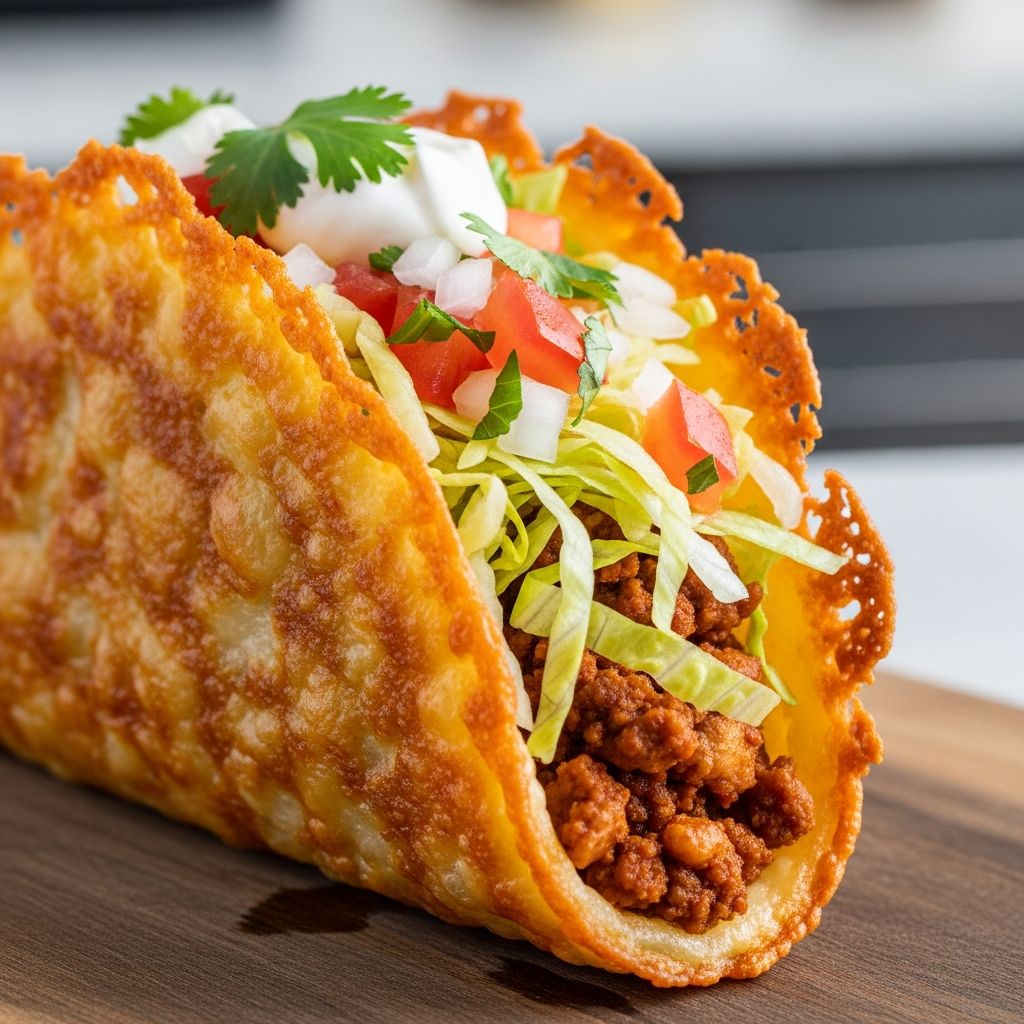
The ketogenic lifestyle often requires reimagining traditional foods, and one of the most satisfying substitutions involves replacing grain-based tortillas with alternatives made entirely from cheese. Cheese taco shells represent an innovative solution for those pursuing carbohydrate reduction while maintaining the enjoyment of familiar meals. This technique transforms simple cheddar cheese into a crunchy, versatile vessel capable of holding your favorite taco fillings, all while contributing virtually zero carbohydrates to your daily intake.
Understanding the Foundation: Why Cheese Works
Cheese serves as an ideal base material for creating taco shells due to its unique melting properties and structural composition. When exposed to moderate heat, cheese undergoes a transformation that allows it to become pliable enough to shape yet firm enough to hold its form once cooled. The protein and fat content in cheese provides the structural integrity necessary to support taco fillings without becoming soggy or collapsing, unlike some grain-free alternatives that may lack sufficient durability.
The beauty of this approach lies in its simplicity and nutritional profile. Cheddar cheese, the most commonly recommended variety, contains minimal carbohydrates while delivering substantial protein and satisfying fat content that aligns perfectly with ketogenic macronutrient ratios. Each shell requires no additional ingredients beyond the cheese itself, making this one of the purest low-carb solutions available for shell-based meals.
Gathering Your Materials and Preparation Strategy
Success in creating these shells begins with thoughtful preparation. You will need:
- Freshly shredded cheddar cheese (approximately 1/4 cup per shell)
- Parchment paper or silicone baking mats
- A standard baking sheet
- A wooden spoon, rolling pin, or similar cylindrical object for shaping
- A silicone spatula for handling delicate shells
- Two stable glasses or small containers to support your shaping apparatus
Selecting the right cheese matters considerably. Pre-shredded varieties work acceptably, though freshly grated cheese from a block tends to melt more evenly and produces superior crispness. This occurs because fresh cheese lacks the anti-caking agents sometimes present in pre-packaged options, allowing for more consistent melting patterns.
The choice between parchment paper and silicone mats significantly impacts your experience. While both function adequately, silicone mats offer superior non-stick properties, making shell removal considerably easier once cooled. Parchment paper works well but may require light greasing or more careful handling during transfer.
The Baking Process: Temperature and Timing Considerations
Proper oven temperature represents one of the most critical variables in this recipe. Most sources recommend baking at temperatures between 350°F and 400°F, with 350°F offering the most consistent results for controlled melting and browning. Lower temperatures allow the cheese to melt gradually and evenly throughout, while higher temperatures may brown the edges excessively before the center achieves optimal texture.
The baking duration typically ranges from 5 to 10 minutes, depending on your specific oven and cheese quantity. Watch your shells carefully during this window. The cheese will begin as distinct piles, gradually flatten as heat melts the structure, and eventually bubble slightly as moisture evaporates. The edges represent your visual cue—when they transition from pale yellow to golden brown with slight crisping, your shells are ready.
Removing shells too early results in shells that lack sufficient structure and may fall apart during handling. Conversely, extended baking times produce overly brittle shells that crumble when filled. The sweet spot occurs when the entire surface has turned golden but before any black spots appear.
Strategic Shaping: Transforming Flat Discs Into Functional Shells
The moment you remove your baked cheese from the oven marks the beginning of the shaping phase. Timing proves absolutely essential here—the cheese must be warm enough to remain pliable yet cool enough to handle without burning your fingers. Generally, waiting one to three minutes after removal from the oven achieves this balance.
Set up your shaping station before baking. Position two glasses or cups approximately 12 inches apart on your work surface. Lay a wooden spoon, spatula handle, or similar cylindrical object across the tops of these glasses, creating a suspended bridge approximately 3/4 inch above your work surface. This gap determines your shell’s curvature.
Using a silicone spatula, gently lift each baked cheese disc from your baking sheet. Move deliberately but confidently—hesitation may cause the cheese to tear or lose its shape. Drape the warm cheese disc over your suspended implement, allowing gravity to create a gentle curve. The goal involves creating a taco-like shape with symmetrical sides rather than a tightly folded structure.
Allow the shell to cool completely in this position before removal. This typically requires five to ten minutes. Removing shells prematurely results in collapsed or misshapen forms. Patience during this phase directly correlates with successful results.
Nutritional Profile and Dietary Compatibility
These shells deliver impressive nutritional metrics aligned with ketogenic principles. Each shell provides approximately 18-20 grams of protein, making them an excellent protein source for a single component of your meal. Fat content ranges from 18-21 grams per shell, supporting satiety and ketone production. Most importantly, net carbohydrate content remains virtually negligible—typically less than one gram per shell.
For those tracking macronutrients meticulously, these shells accommodate various ketogenic approaches, from standard keto to carnivore-adjacent protocols. The caloric content averages around 200-260 calories per shell, primarily derived from fat and protein, with minimal energy from carbohydrates.
Filling and Assembly Recommendations
The versatility of these shells extends beyond traditional taco fillings. Consider these filling options:
- Seasoned ground beef with cheese and sour cream
- Shredded chicken with guacamole and salsa
- Grilled fish with lime crema and cabbage slaw
- Carnitas with pickled onions and cilantro
- Ground turkey with cheese, lettuce, and tomato
- Eggs and bacon for breakfast applications
The lightweight nature of cheese shells means they handle heavier fillings well without structural compromise. However, incorporating moisture-heavy ingredients immediately before consumption prevents the shells from softening unnecessarily. If preparing shells significantly ahead of mealtime, store them in airtight containers to maintain crispness.
Storage Solutions and Longevity
Properly stored cheese shells maintain their structural integrity and crispness for several days. Place cooled shells in airtight containers, ensuring they remain separated to prevent sticking. Many people layer them between parchment paper within their storage containers, preventing potential adhesion.
Refrigeration extends shelf life to approximately one week without noticeably compromising quality. For longer storage, freezing works acceptably—shells maintain their characteristics for two to three months when frozen. Thaw frozen shells at room temperature for approximately ten minutes before consuming, or warm them briefly in a 300°F oven for five minutes to restore optimal crispness.
Troubleshooting Common Issues
Despite the straightforward nature of this recipe, certain challenges may arise. Shells that collapse during shaping often indicate inadequate cooling time before removal from your forming apparatus. Additionally, insufficiently baked shells lack structural rigidity necessary for supporting fillings.
Shells that shatter when filled typically result from either excessive baking or premature storage without achieving complete cooling. Brittleness increases as shells age, so consuming them within the first few days generally yields superior results compared to older shells stored for extended periods.
If your shells crack during removal from the baking sheet, your oven temperature may be too high, causing the exterior to crisp before adequate melting occurs throughout the cheese. Reducing temperature by 25 degrees and extending baking time slightly typically resolves this issue.
Cheese Variety Considerations
While cheddar represents the standard recommendation, other melting cheeses produce satisfactory results. Sharp cheddar delivers more pronounced flavor compared to mild varieties. Mozzarella creates shells with different textural properties—slightly softer and more pliable than cheddar. Some people blend cheeses, combining cheddar with Parmesan to enhance flavor complexity and adjust texture.
Avoid soft cheeses like brie or cream cheese, which lack the structural properties necessary for creating stable shells. Similarly, cheese products containing excessive additives or anti-caking agents may not melt evenly, resulting in inconsistent texture.
Batch Preparation and Meal Prepping Strategies
Creating multiple shells simultaneously offers significant advantages for meal planning. Prepare six to eight shells in a single session, then store them for gradual consumption throughout your week. This approach requires slightly more active time upfront but dramatically reduces daily preparation effort.
Consider batch-preparing fillings alongside your shells. Seasoned ground beef, shredded chicken, or carnitas prepared in larger quantities facilitate quick assembly when hunger strikes, transforming these shells into complete meals within minutes.
Frequently Asked Questions
- Can I use sliced cheese instead of shredded?
- Yes, though results vary slightly. Overlap two slices and trim corners to create a circular shape. Melting occurs less evenly with slices compared to shredded cheese, potentially producing shells with inconsistent texture.
- What temperature works best?
- Most people find 350°F provides optimal results, though 375°F also produces good outcomes. Higher temperatures may brown edges excessively before adequate melting occurs.
- How long do shells stay crispy?
- Freshly made shells maintain optimal crispness for 2-3 days when stored properly in airtight containers. After this period, they gradually soften but remain structurally sound.
- Can I make these on a stovetop instead of using an oven?
- Yes, heating cheese in a non-stick skillet over medium heat until melted and slightly browned creates similar results. Shape these cooled discs using the same technique as oven-baked shells.
- Are these appropriate for all low-carb diets?
- These shells suit keto, low-carb, carnivore, and similar dietary approaches perfectly. They also accommodate various allergies and restrictions, containing no gluten, grains, or common allergens beyond dairy.
References
- The Big Man’s World: 1-Ingredient Keto Taco Shells — The Big Man’s World. Accessed April 2026. https://thebigmansworld.com/keto-taco-shells/
- Keto Tacos with Cheese Taco Shells — Home Made Interest. Accessed April 2026. https://www.homemadeinterest.com/low-carb-taco/
- Keto Taco Shells [Cheese Taco Shells] — Low Carb Hoser. Accessed April 2026. https://lowcarbhoser.com/keto-taco-shells/
- Cheese Taco Shells (Zero Carbs, 1 Ingredient) — Ketofocus. Accessed April 2026. https://www.ketofocus.com/recipes/cheese-taco-shells/
- Crispy Cheese Taco Shells (Low Carb Keto Taco Shells) — Low Carb Maven. Accessed April 2026. https://www.lowcarbmaven.com/low-carb-taco-shells-recipe-cheese/
- Best Crispy Keto Taco Shells (Cheese Taco Shells) — Thinlicious. Accessed April 2026. https://thinlicious.com/keto-cheese-taco-shells/
Similar Articles





Read full bio of medha deb