Cardamom Pistachio Carrot Cake Recipe
Master the art of baking a fragrant, nutty carrot cake with warm spices.
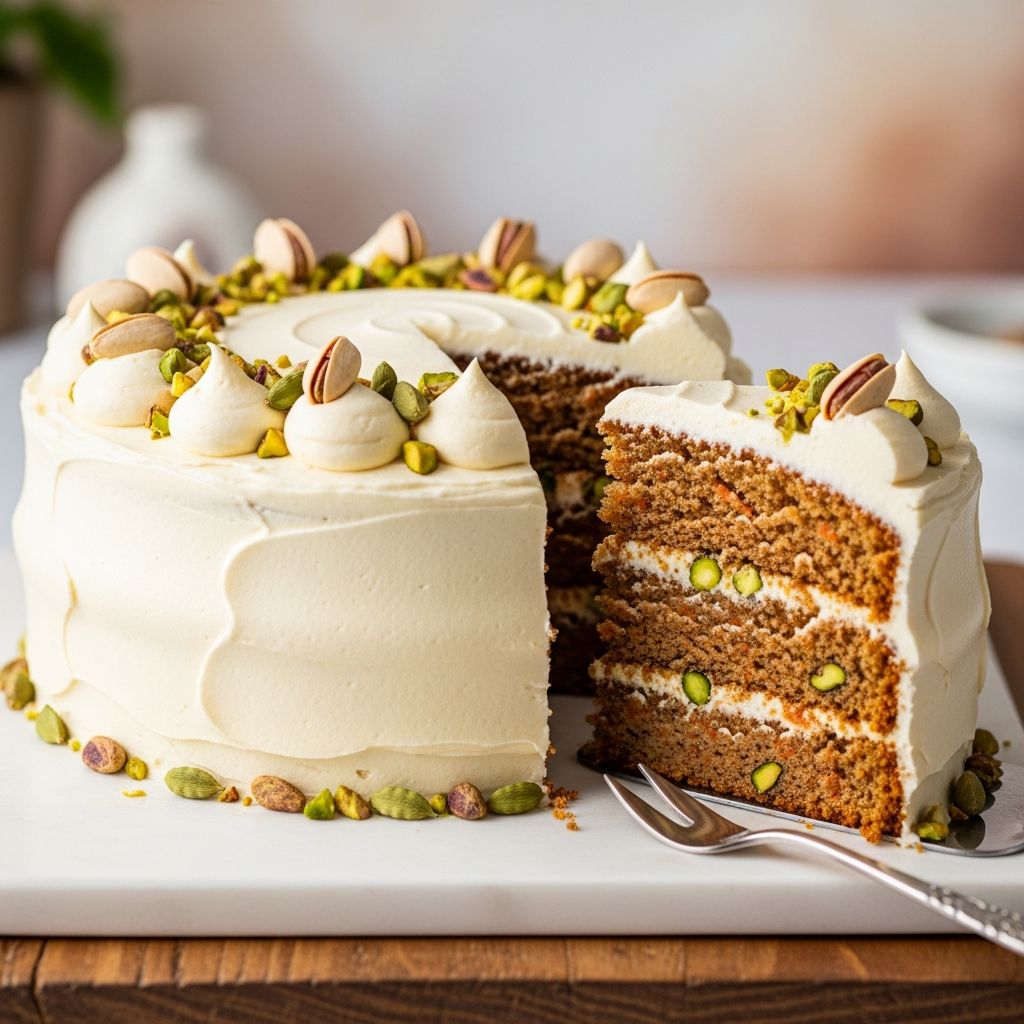
Crafting the Perfect Cardamom and Pistachio-Infused Carrot Cake
Carrot cake has long been a beloved dessert across numerous cultures, celebrated for its natural sweetness and inherent moisture. When elevated with warm spices and distinctive nuts, this classic treat transforms into something truly memorable. The combination of cardamom’s aromatic warmth and pistachio’s subtle earthiness creates a sophisticated flavor profile that distinguishes this cake from conventional versions. This guide walks you through every step of creating a showstopping carrot cake that impresses family and guests alike.
Understanding the Core Ingredients and Their Roles
Building a successful carrot cake requires understanding how each ingredient contributes to the final product. Rather than simply mixing components together, recognizing their individual functions ensures optimal texture, flavor, and moisture.
The Foundation: Carrots and Their Properties
Carrots serve as the primary wet ingredient in this cake, providing natural sugars, fiber, and moisture that keep the crumb tender. When selecting carrots, choose medium-sized ones with vibrant color, as they typically contain higher sugar content than larger, older varieties. Grating carrots immediately before use prevents them from oxidizing and browning, which can affect both appearance and flavor. The size of your grate matters significantly—a medium grate creates particles large enough to contribute texture without overwhelming the batter.
The Spice Profile: Cardamom as the Star
Cardamom brings a distinctive, complex warmth that elevates carrot cake beyond the ordinary. This ancient spice carries floral, slightly minty undertones that complement carrots’ natural sweetness beautifully. Ground cardamom works best in this application, as whole pods require crushing and extraction. Quality matters tremendously with cardamom—purchase from reputable sources and store in airtight containers away from light and heat to preserve its volatile oils. Many recipes call for one to two teaspoons per standard cake, though personal preference should guide your final decision.
Nutty Elements: Pistachios as Textural and Flavor Enhancers
Pistachios contribute both crunch and subtle nuttiness that balances the cake’s moisture. Raw, shelled pistachios work wonderfully, though lightly toasting them before chopping intensifies their flavor and aroma. Coarse chopping preserves textural interest—finely ground pistachios disappear into the crumb, while roughly chopped pieces create noticeable pockets of flavor and crunch. Reserve a portion of finely chopped pistachios for garnishing the finished cake, as their vibrant green color adds visual appeal.
Structural Components: Flour and Leavening Agents
The structural integrity of any cake depends on proper flour selection and appropriate leavening. All-purpose flour provides enough protein content to create structure without producing a tough crumb. The combination of baking powder and baking soda creates the lift necessary for a tender, open crumb structure. Baking soda reacts with acidic components in the batter, while baking powder provides additional rise during baking. Using both ensures adequate leavening without developing an unpleasant chemical taste.
Moistening Agents: Oil and Dairy Choices
Oil creates a tender crumb by coating flour particles, preventing extensive gluten development. This produces a softer, more delicate texture compared to butter-based cakes. Vegetable oil works particularly well due to its neutral flavor and light texture. Cream cheese, incorporated into the frosting layer, adds tanginess that balances the cake’s sweetness while creating a luxurious topping. Fresh, high-quality cream cheese yields the best results—softer consistency and superior flavor compared to expired or lower-quality products.
Step-by-Step Baking Instructions
Preparation and Oven Setup
Begin by preheating your oven to 325-350°F, allowing it to reach temperature before batter enters. This consistency in initial heat ensures even baking from the start. Line your baking pans with parchment paper or grease them thoroughly with butter, dusting with flour to prevent sticking. Whether using a single large pan, two round layers, or individual loaf pans, proper preparation prevents frustrating sticking incidents that compromise your finished cake’s appearance.
Creating the Wet Base
In a large mixing bowl, combine room-temperature eggs with brown sugar. Whisking these together creates an emulsion that incorporates air into the batter, contributing to a lighter crumb structure. Gradually add vegetable oil while continuing to whisk, ensuring proper emulsification. This slow incorporation prevents the mixture from breaking and maintains a smooth consistency. The resulting base should appear pale and slightly fluffy—visual cues indicating proper preparation.
Incorporating Dry Ingredients and Mix-Ins
In a separate bowl, whisk together flour, baking powder, baking soda, cardamom, cinnamon, nutmeg, and salt. This pre-mixing ensures even distribution of leavening agents and spices throughout the batter. Add the freshly grated carrots and chopped pistachios to the wet mixture, stirring gently to combine. Finally, fold in the dry ingredients using a rubber spatula, mixing only until white streaks disappear. Overmixing activates gluten, creating a dense, tough crumb that detracts from the cake’s quality.
Baking and Cooling Procedures
Pour batter into prepared pans, using an offset spatula to smooth the top surface. Bake for 40-50 minutes, depending on pan size and your oven’s characteristics. A toothpick inserted into the center should emerge with a few moist crumbs but no wet batter. Allow cakes to cool in pans for 15-20 minutes before turning out onto wire racks. This waiting period allows the structure to set, preventing collapse or breaking. Complete cooling before frosting prevents the frosting from melting or sliding off warm cakes.
Frosting Options and Flavor Combinations
Traditional Cream Cheese Frosting
Cream cheese frosting provides classic tanginess that complements cardamom’s spice beautifully. Combine softened cream cheese, butter, and powdered sugar, beating until light and fluffy. For additional sophistication, incorporate orange zest or a touch of vanilla extract. The frosting should reach spreadable consistency—if too soft, refrigerate briefly; if too firm, add milk by the teaspoon until reaching desired texture.
Alternative: Carrot-Infused Glaze
For a lighter option, prepare a glaze using carrot juice, heavy cream, and butter. This silky topping adds moisture while maintaining focus on cardamom and pistachio flavors. The glaze drapes elegantly over cooled cakes, creating professional-looking presentation without requiring frosting skills.
Vegan and Dietary-Conscious Variations
Coconut-based frostings appeal to those avoiding dairy, combining coconut yogurt with coconut cream for a slightly cheesy flavor profile. Gluten-free versions substitute traditional flour with combinations of ground almonds, buckwheat flour, and brown rice flour, maintaining texture while accommodating dietary restrictions.
Ingredient Quality and Selection Guide
| Ingredient | Selection Tips | Storage Method |
|---|---|---|
| Carrots | Choose medium, firm carrots with vibrant orange color | Refrigerate unwashed in vegetable drawer up to 3 weeks |
| Cardamom | Purchase ground from specialty spice retailers; check aroma | Store in airtight container away from light and heat |
| Pistachios | Select raw, shelled varieties; avoid heavily salted versions | Keep in freezer to preserve freshness and prevent rancidity |
| Cream Cheese | Choose full-fat varieties; verify freshness date | Refrigerate unopened until needed; use quickly after opening |
| Eggs | Purchase from reputable sources; check for cracks | Store in refrigerator at consistent temperature |
Baking Science: Why These Ingredients Work Together
The moisture provided by grated carrots and oil creates an environment where gluten develops slowly, resulting in a tender crumb. The natural sugars in carrots caramelize during baking, developing complex flavors beyond simple sweetness. Cardamom’s volatile aromatic compounds become more pronounced through gentle heating, infusing the cake with its signature warmth. Pistachios’ oils add richness while their textural contrast keeps the eating experience interesting throughout.
Troubleshooting Common Baking Challenges
Excessive Doming or Uneven Baking
Cakes that dome excessively indicate too-high oven temperature or overmixing, which incorporates excess air. Reduce oven temperature by 25°F and ensure proper folding technique to avoid overmixing. Some bakers rotate pans halfway through baking to ensure even heat distribution.
Dry or Dense Texture
Overbaking produces dry cake regardless of ingredient quality. Use a reliable oven thermometer to verify actual temperature, as many ovens run hot or cold. Remove cakes when a toothpick emerges with moist crumbs, not completely dry. Dense texture often results from overmixing the batter, which develops excessive gluten.
Frosting Separation or Greasiness
This occurs when butter and cream cheese aren’t at identical temperatures. Ensure both ingredients reach room temperature before mixing. Beat the mixture at medium speed rather than high, preventing the structure from breaking and separating.
Frequently Asked Questions
Can I prepare this cake in advance?
Yes, the unfrosted cake keeps well in an airtight container for 2-3 days at room temperature or up to one week refrigerated. Frosted cakes maintain quality for 3-4 days refrigerated. For longer storage, wrap unfrosted layers in plastic wrap and freeze up to three months.
How do I adapt this recipe for different pan sizes?
Dividing the batter between two 8-inch rounds requires reducing baking time to 35-40 minutes. Single 9×13-inch pans may need up to 50-55 minutes. Loaf pans typically bake in 40-45 minutes. Always rely on visual and toothpick tests rather than time alone.
What if I cannot find cardamom?
While cardamom’s unique flavor cannot be perfectly replaced, increasing cinnamon and nutmeg proportions creates complementary warmth. Some bakers add a small amount of ginger for additional complexity, though the final result differs from the original.
Are there nut-free alternatives to pistachios?
Walnuts, pecans, or almonds work as substitutes, though they impart different flavors. For nut-free versions, substitute with shredded coconut or omit the ingredient entirely, adjusting moisture content if necessary.
How should I store leftover frosting?
Cream cheese frosting keeps refrigerated in an airtight container for one week. Allow it to reach room temperature before spreading on cake layers, restoring its spreadability. Freezing is not recommended, as texture suffers upon thawing.
Serving and Presentation Ideas
Serve slices at room temperature for optimal flavor development, as chilled cake mutes the cardamom’s aromatic qualities. Garnish individual portions with additional chopped pistachios and a light dusting of ground cardamom. For special occasions, layer two cakes with frosting between layers and additional topping, creating an impressive multi-layer presentation. Pairing slices with tea or coffee enhances the spiced flavors through complementary beverage aromatics.
Expanding Your Baking Repertoire
Once comfortable with this cardamom-pistachio combination, explore variations by incorporating orange zest for citrus notes, adding dried fruits like sultanas or apricots, or experimenting with different spice proportions. These adaptations maintain the cake’s essential character while offering fresh interpretations. Each modification teaches valuable lessons about ingredient interactions and flavor development, building foundational baking knowledge applicable far beyond carrot cakes.
References
- Cardamom Pistachio Carrot Cake — Silk Road Recipes. 2024. https://silkroadrecipes.com/cardamom-pistachio-carrot-cake/
- Cardamom-Pistachio Carrot Cake — Stellina Sweets. 2024-06-04. https://stellinasweets.com/2024/06/04/cardamom-pistachio-carrot-cake/
- Cardamom Pistachio Carrot Cake (Gluten-Free & Vegan) — Nirvana Cakery. 2024. https://nirvanacakery.com/cardamom-pistachio-carrot-cake-gluten-free-vegan/
- Cardamom & Pistachio Carrot Cake + Orange Blossom & Honey Labneh — Butterlust Blog. 2016-03-25. https://butterlustblog.com/2016/03/25/cardamom-pistachio-carrot-cake-orange-blossom-honey-labneh/
Similar Articles



Read full bio of medha deb