Caramel Apple Bundt Cake: Complete Guide With Expert Tips
Master the art of baking a moist, spiced bundt cake with fresh apples and rich caramel sauce.
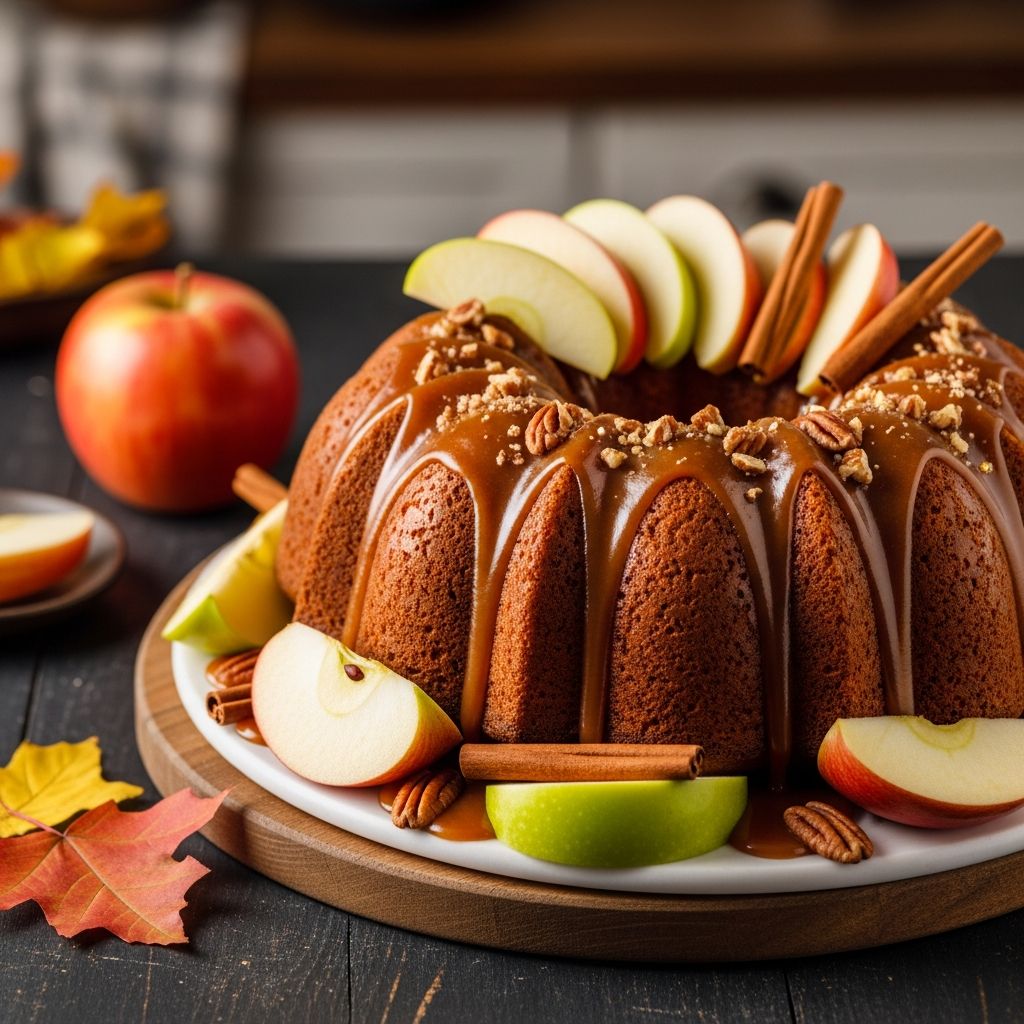
Bundt cakes represent one of the most visually striking desserts you can present to guests or family members. The distinctive shape, achieved through the characteristic ridged pan, creates an elegant appearance that requires minimal additional decoration. When combined with the natural appeal of caramel glaze and fresh apple flavors, this particular bundt cake becomes a showstopper worthy of any celebration. The moist texture and balanced sweetness make it an ideal choice for gatherings during the autumn season or whenever you desire a comforting, fruit-forward dessert.
Understanding the Flavor Profile
The combination of apples and caramel creates a timeless pairing that appeals to a broad range of palates. Tart apple varieties, particularly Granny Smith apples, provide a sharp counterpoint to the sweetness of caramel, preventing the overall cake from becoming cloying. The addition of warm spices such as cinnamon and nutmeg further enhances this balance, introducing complexity that keeps each bite interesting. These spices evoke seasonal comfort and work synergistically with both the fruit and caramel components, creating a cohesive flavor experience that feels both sophisticated and accessible.
Essential Ingredients for Success
Building a quality caramel apple bundt cake requires careful attention to ingredient selection. The foundation consists of standard baking staples, but the proportions and specific choices significantly impact the final product’s quality.
- Flour: All-purpose flour serves as the structural foundation, typically requiring three cups for a standard bundt cake.
- Leavening Agents: Both baking soda and baking powder work together to create the desired crumb structure and rise during baking.
- Spices: Ground cinnamon provides the primary warm spice note, while nutmeg adds subtle earthiness and complexity.
- Fat: Vegetable oil, canola oil, or softened butter contributes moisture and richness to the crumb.
- Sweeteners: A combination of granulated and brown sugar creates depth of flavor and affects moisture retention.
- Apples: Fresh, firm apples should be peeled, cored, and chopped to appropriate sizes for even distribution throughout the batter.
- Eggs: These provide structure, moisture, and richness while helping to bind ingredients together.
- Caramel Component: Either prepared caramel candy squares or homemade caramel sauce prepared from butter, brown sugar, cream, and vanilla.
Preparation Techniques That Matter
Proper preparation before mixing begins ensures smooth baking and optimal results. Begin by preheating your oven to 350 degrees Fahrenheit, allowing it to reach the correct temperature before the batter enters. Grease your bundt pan thoroughly, paying special attention to the center post and ridges where batter tends to stick. Some bakers prefer flouring the pan after greasing for additional insurance against sticking.
When preparing apples, work with them just before mixing to minimize oxidation. Toss freshly chopped apples with lemon juice immediately after peeling and cutting—this simple step prevents browning while adding a subtle brightness that complements caramel and spices. Allow the apple mixture to rest briefly with brown sugar and vanilla extract, which begins breaking down the fruit slightly and distributes flavorings evenly.
Mixing Strategy and Batter Development
The order in which you combine ingredients significantly affects the final texture. Begin by whisking together all dry ingredients—flour, baking soda, baking powder, cinnamon, nutmeg, and salt—in a separate bowl. This distribution ensures even dispersal of leavening agents and spices throughout the batter.
In your primary mixing bowl, combine oil or softened butter with granulated sugar, beating until the mixture reaches a light, fluffy consistency. This creaming process incorporates air that contributes to an open, tender crumb. Add eggs one at a time, incorporating each fully before adding the next. The addition of vanilla extract follows, providing aromatic depth.
Rather than adding all dry ingredients at once, alternate between dry ingredients and liquid components (such as applesauce or milk if included in your recipe). This technique prevents overmixing, which can develop gluten and result in a tough, dense cake. Fold in the prepared apples gently using a rubber spatula or wooden spoon, maintaining as much airiness as possible.
Baking Process and Temperature Control
Transfer the batter to your prepared bundt pan, smoothing the top gently. Bake at 350 degrees Fahrenheit for approximately 50 to 60 minutes, depending on your oven’s individual characteristics and the cake’s size. A wooden skewer inserted into the cake’s center should emerge clean or with just a few moist crumbs when the cake reaches doneness.
Allow the cake to cool in the pan for 10 minutes before inverting onto a cooling rack. This resting period allows the structure to set slightly, reducing the risk of the cake breaking during removal. Run a thin, sharp knife around both the outer edge and center post to loosen the cake before turning it out.
Creating Caramel Sauce Options
The caramel topping can be accomplished through multiple methods, each offering distinct advantages. Prepared caramel candy squares, unwrapped and melted with heavy cream, provide convenience and consistency. Heat these squares with cream over low heat, stirring frequently until fully melted and smooth.
Alternatively, homemade caramel sauce allows for customization and greater control over flavor intensity. Combine unsalted butter and brown sugar in a saucepan over medium heat, stirring until the sugar dissolves. Once the mixture reaches a boil, allow it to bubble for approximately three minutes while stirring constantly. Remove from heat and carefully stir in heavy cream or evaporated milk, then add vanilla extract and a pinch of salt. The sauce will bubble slightly as the cream is added; this is expected and normal. Allow the mixture to cool slightly before applying.
Application and Serving Recommendations
Some bakers prefer poking small holes throughout the warm cake with a bamboo skewer or toothpick before pouring caramel sauce, allowing the sauce to seep into the cake for enhanced flavor integration. Others prefer drizzling the sauce over the cake’s surface, allowing it to cascade down the sides naturally.
Serve the cake while still warm or at room temperature, depending on preference. The warm caramel remains pliable and adds to the indulgent experience, while room-temperature cake offers easier slicing and a different textural experience. Accompany slices with vanilla ice cream or whipped cream for additional richness and contrast.
Storage and Make-Ahead Strategies
Properly stored caramel apple bundt cake maintains quality for several days. Cover the cake loosely with plastic wrap or aluminum foil once it has cooled completely, preventing it from drying out while allowing minimal air circulation. Store at room temperature for up to three days, or refrigerate for up to one week.
The undecorated cake freezes successfully for up to three months when wrapped tightly in plastic wrap and placed in an airtight freezer container. Thaw at room temperature before applying caramel sauce and serving. Homemade caramel sauce stores in a sealed container in the refrigerator for up to two weeks; gently reheat before serving if desired.
Troubleshooting Common Issues
| Problem | Likely Cause | Solution |
|---|---|---|
| Cake sticks to pan | Insufficient greasing or flour | Ensure pan is generously coated; use baking spray for additional assurance |
| Dense, heavy crumb | Overmixing or oven too cool | Mix only until ingredients combine; verify oven temperature with thermometer |
| Dry cake | Overbaking or insufficient fat | Check doneness at 50 minutes; ensure proper oil or butter measurement |
| Uneven browning | Hot spots in oven | Rotate pan halfway through baking if necessary |
| Caramel too thick | Cooled too long | Reheat gently over low heat; add cream gradually if needed |
Variations and Customizations
Enhance your bundt cake with optional additions that complement the base flavors. Chopped pecans or walnuts add textural interest and nutty depth. Incorporate them into the batter alongside apples, or create a pecan streusel layer by distributing nuts and a mixture of cinnamon and brown sugar halfway through the batter in the pan.
A swirl of softened cream cheese added to portions of the batter creates pockets of tangy richness throughout the cake. Distribute dollops of cream cheese in the raw batter, then swirl with a knife before baking. This addition keeps the cake tender while adding complexity to the flavor profile.
Substitute a portion of the liquid (if included) with applesauce to enhance the apple flavor while increasing moisture. Use up to one-quarter cup of applesauce for this purpose, reducing other liquid components proportionally.
Frequently Asked Questions
- What apple variety works best for this cake?
- Granny Smith apples are preferred due to their tartness and firm texture. Honeycrisp, Pink Lady, or combination of varieties also work well, provided they are not overly sweet.
- Can I use a different pan size?
- Standard 10 or 12-cup bundt pans work well. Adjust baking time accordingly; smaller pans may require less time, while larger pans may need additional minutes.
- Is it necessary to use homemade caramel sauce?
- Prepared caramel candy squares provide excellent results with minimal effort. Homemade sauce offers more control over flavor and allows customization of sweetness levels.
- How do I know when the cake is fully baked?
- A wooden skewer inserted into the center should emerge clean or with just a few moist crumbs. The cake’s surface should spring back when lightly touched.
- Can this cake be made dairy-free?
- Substitute vegetable oil for butter, use a plant-based milk or applesauce in the batter if applicable, and use non-dairy cream alternatives in the caramel sauce.
References
- Professional Baking Guidelines — The Culinary Institute of America. 2024. https://www.ciachef.edu/
- Food Safety in the Home Kitchen — United States Department of Agriculture Food Safety and Inspection Service. 2024. https://www.fsis.usda.gov/
- Apple Varieties and Selection — University of California Agriculture and Natural Resources. 2023. https://ucanr.edu/
- Baking Science: Understanding Leavening Agents — American Association of Cereal Chemists. 2024. https://www.aaccnet.org/
- Caramel Sauce Preparation and Safety — National Center for Home Food Preservation. 2023. https://nchfp.uga.edu/
Similar Articles




Read full bio of medha deb