Café-Inspired Coffee Beverages You Can Make at Home
Master barista-quality coffee drinks with simple ingredients and easy techniques
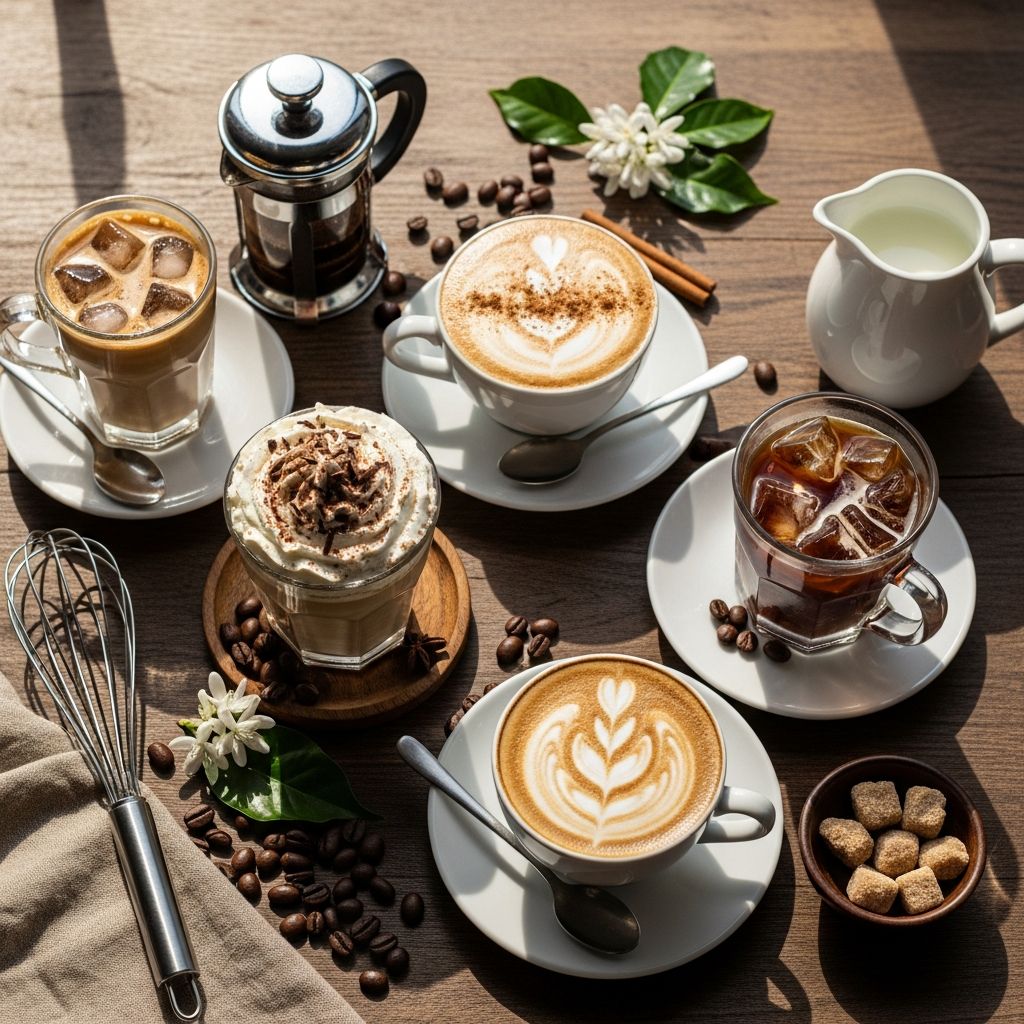
The aroma of freshly brewed coffee and the comforting ritual of visiting your favorite café creates a special experience that many coffee enthusiasts wish they could replicate at home. The good news is that with the right knowledge, quality ingredients, and a bit of practice, you can master the art of creating café-quality beverages in your own kitchen. This comprehensive guide explores the techniques and recipes that professional baristas use daily, allowing you to transform your morning routine and impress friends and family with skillfully crafted drinks.
Understanding the Foundation: Essential Equipment and Ingredients
Before diving into specific recipes, it’s important to understand the basic components that form the backbone of most contemporary coffee beverages. The modern specialty coffee drink typically follows a straightforward formula: flavored syrup combined with espresso and milk creates a delicious, balanced beverage. However, mastering these components individually will significantly improve your results.
The primary ingredient in almost every café-style drink is espresso, a concentrated coffee brewed by forcing hot water through finely ground coffee beans. Espresso serves as the flavor foundation and caffeine base for lattes, cappuccinos, mochas, and countless other variations. When selecting an espresso machine for home use, consider models that offer consistent temperature control and adequate pressure (typically 9 bars) for proper extraction.
Quality milk is equally important, as it comprises the majority of many coffee beverages. The steaming and frothing process transforms milk into a creamy, velvety component that balances the intensity of espresso. Whole milk froths best due to its fat content, though alternative options like oat milk and almond milk have become increasingly popular among those seeking dietary variations.
The Classic Espresso and Steamed Milk Drinks
The most fundamental café beverages center around the combination of espresso shots and steamed milk, with variations determined by the ratio of each component and the amount of foam present. Understanding these classics provides the foundation for creating more elaborate drinks.
The Traditional Latte Experience
The latte represents the most popular espresso-based drink worldwide, characterized by its smooth, creamy texture and mild coffee flavor. Creating the perfect latte requires combining espresso with a larger volume of steamed milk, topped with a thin layer of microfoam. The typical ratio calls for one shot of espresso with approximately eight ounces of steamed milk, finished with a quarter inch of frothed milk on the surface.
To prepare this drink successfully, begin by extracting your espresso shot into a preheated cup. While the espresso pulls, position a milk pitcher beneath your steam wand, submerging the wand just below the milk’s surface. Gradually lower the pitcher as the milk level rises, creating a gentle whirlpool that incorporates air and builds microfoam. Once the milk reaches 150-155 degrees Fahrenheit, remove the pitcher and pour the steamed milk into your espresso, holding back the foam with a spoon as you pour.
Chocolate-Infused Variations
For those seeking to combine coffee with dessert-like qualities, chocolate-based espresso drinks offer an indulgent option. The mocha drink blends espresso with steamed milk and chocolate syrup, creating a beverage that appeals to both coffee and chocolate enthusiasts. To prepare this drink, combine one espresso shot with one tablespoon of chocolate syrup in your serving cup, then pour eight ounces of steamed milk over the mixture. Top with whipped cream for an extra decadent touch.
Flavored Syrups: Customizing Your Beverages
The incorporation of flavored syrups represents one of the most versatile approaches to creating diverse café beverages. These concentrated sweeteners dissolve easily into both hot and cold beverages, providing consistent flavor without grittiness or separation. Common flavoring options in professional settings include vanilla, caramel, cinnamon, and hazelnut, though creative baristas continually develop new combinations.
When using flavored syrups in espresso-based drinks, the typical proportion is one tablespoon of syrup per twelve-ounce beverage, though personal preference should guide your final measurement. For optimal flavor distribution, add the syrup to your cup before the espresso extraction, allowing the hot espresso to dissolve it completely before adding steamed milk.
Seasonal and Specialty Variations
Seasonal beverages have become increasingly important to café operations, with pumpkin spice preparations gaining particular prominence during autumn months. The pumpkin spice latte combines espresso with steamed milk, pumpkin puree, and pumpkin spice syrup, topped with whipped cream and pie spice. This drink demonstrates how traditional recipes can be adapted to incorporate seasonal ingredients and appeal to customers seeking novelty throughout the year.
The cinnamon dolce latte offers another year-round option for those who enjoy warm spice notes, combining espresso with steamed milk and cinnamon syrup, finished with whipped cream and ground cinnamon. These flavor-forward beverages show how systematic variations on the espresso-milk base create entirely different sensory experiences.
Cold Beverage Techniques for Warm Weather
During warmer months, cold coffee beverages provide refreshing alternatives to hot drinks while maintaining the café experience. Cold brew coffee serves as an excellent foundation for these drinks, as its naturally smooth, less acidic profile works well with various flavor additions and milk options.
Flavored Iced Coffee Preparations
The vanilla almond iced coffee demonstrates a simple yet satisfying approach to cold beverages. This drink combines one cup of cold brew coffee with half a cup of almond milk, one tablespoon of vanilla syrup, and ice cubes, mixed together and served immediately. The combination of plant-based milk with cold brew and vanilla syrup appeals to consumers seeking lighter, more refreshing options without sacrificing flavor complexity.
Advanced Cold Preparations
The espresso tonic represents a modern, sophisticated approach to cold coffee beverages that diverges from traditional milk-based drinks. This preparation calls for one shot of espresso poured over ice and tonic water, garnished with a lemon slice. The carbonation and bitter-citrus notes of tonic water create an unexpectedly complementary pairing with espresso’s intensity, appealing to adventurous coffee drinkers seeking something unconventional.
Nutritious Coffee-Based Beverages
For health-conscious consumers, coffee smoothies offer a method to incorporate the energizing properties of caffeine into a more nutritionally complete beverage. These drinks combine cold brew coffee with protein sources, fruits, and healthy fats to create satisfying breakfast alternatives.
A representative coffee smoothie recipe includes one cup of cold brew coffee blended with one banana, half a cup of Greek yogurt, one tablespoon of almond butter, one teaspoon of honey, and ice cubes. This combination provides protein from yogurt and almond butter, natural sweetness from banana and honey, and the caffeine boost from cold brew coffee. The result is a creamy, energizing drink suitable for active individuals or those seeking a more complete breakfast option than traditional coffee alone.
Specialty Preparations and Evening Options
Beyond daytime beverages, specialty coffee drinks serve specific occasions and times of day. The caramel macchiato combines espresso with steamed milk and vanilla syrup, arranged in layers and topped with caramel sauce. This drink’s complexity makes it appealing to customers seeking a more elaborate beverage experience.
For evening occasions, Irish coffee provides a sophisticated, indulgent option that transforms coffee into an after-dinner drink. This preparation requires one cup of hot brewed coffee mixed with one shot of Irish whiskey and one tablespoon of brown sugar, topped with generous whipped cream. The combination of coffee’s warmth, whiskey’s complexity, and whipped cream’s textural contrast creates a special-occasion beverage suitable for weekend entertaining or holiday celebrations.
International Coffee Traditions
Beyond American coffee shop conventions, international preparations offer alternative approaches to coffee consumption. The café au lait represents a French tradition that emphasizes simplicity and balance. This drink combines equal parts strong brewed coffee and steamed milk in a mug, creating a beverage with milder coffee intensity than straight espresso drinks. This preparation appeals particularly to those who prefer a gentler coffee flavor or wish to extend their coffee consumption without excessive caffeine.
Comparison of Popular Coffee Beverages
| Beverage | Primary Ingredients | Flavor Profile | Best For |
|---|---|---|---|
| Classic Latte | Espresso, steamed milk, microfoam | Smooth, creamy, mild coffee | Morning routine, coffee newcomers |
| Mocha | Espresso, chocolate syrup, steamed milk | Rich, chocolatey, balanced | Chocolate lovers, dessert replacement |
| Café au Lait | Brewed coffee, steamed milk | Gentle, balanced, traditional | Milder coffee preference, afternoon |
| Vanilla Almond Iced Coffee | Cold brew, almond milk, vanilla syrup | Sweet, refreshing, light | Summer mornings, dairy-free |
| Irish Coffee | Brewed coffee, whiskey, sugar, whipped cream | Complex, warming, indulgent | Evening occasions, special treats |
Professional Tips for Perfect Results
Achieving café-quality beverages at home requires attention to several technical details beyond simply following recipes. Temperature consistency proves crucial, as milk steamed to precisely 150-155 degrees Fahrenheit creates optimal microfoam texture. Using a reliable thermometer during your initial attempts helps you develop muscle memory for achieving this range consistently.
Espresso extraction quality fundamentally affects final beverage quality. Ensure your coffee is ground to the correct fineness for your machine, your tamping pressure is consistent, and your equipment is properly maintained through regular cleaning. A poorly extracted espresso shot cannot be salvaged by any amount of quality milk or flavoring.
Ingredient freshness matters significantly. Purchase espresso beans specifically labeled for espresso, preferably roasted within the past two to four weeks. Steamed milk flavor degrades quickly, so use the freshest available. Flavored syrups should be stored according to package directions, typically in cool, dark locations.
Frequently Asked Questions
What is the difference between a latte and a cappuccino?
While both drinks combine espresso with steamed milk, lattes contain significantly more steamed milk with a thin microfoam layer, while cappuccinos feature equal parts espresso and steamed milk with a thicker foam layer. Cappuccinos showcase espresso flavor more prominently, whereas lattes emphasize smooth creaminess.
Can I make espresso drinks with instant coffee?
Instant coffee cannot replicate espresso’s concentrated, pressurized extraction process. For authentic café-style drinks, invest in a basic espresso machine or visit a café for quality espresso as a base. However, instant coffee can create acceptable cold brew or regular brewed coffee drinks.
Which milk froths best for home preparations?
Whole dairy milk froths most effectively due to its fat and protein content, creating silky microfoam. Two-percent milk also works well. Non-dairy options like oat milk have improved significantly and now frost adequately, though results vary by brand. Skim milk produces less stable foam.
How do I clean my espresso machine properly?
Daily cleaning involves purging the group head, backflushing the portafilter, and running water through the steam wand immediately after steaming milk. Weekly deep cleaning requires removing and scrubbing the shower screen and dispersion plate. Monthly or quarterly descaling removes mineral buildup, depending on your water hardness.
What’s the best way to store flavored syrups?
Store unopened syrup bottles in cool, dark locations away from direct sunlight. Once opened, most syrups keep refrigerated for several months. Check package instructions for specific guidance. Homemade syrups typically last two to three weeks refrigerated.
Creating Your Home Coffee Shop Experience
Transforming your kitchen into a personal café requires more than recipes—it demands commitment to mastering fundamentals and investing in quality equipment. Begin with essential tools: a reliable espresso machine, milk pitcher, steam thermometer, and burr grinder for consistent results. Practice individual techniques before combining them into complete beverages.
Start with classic drinks like lattes and mochas before advancing to more complex preparations. Join online barista communities to troubleshoot problems and learn advanced techniques. Most importantly, maintain patience with yourself; professional baristas develop their skills through years of practice and repetition.
By understanding the principles behind café beverages and committing to technique development, you can recreate the professional coffee shop experience at home while enjoying the convenience and customization that comes with making your own drinks.
References
- 10 Must-Try Coffee Recipes to Start Your Day Right — Crack’d Kitchen. 2024. https://www.crackdkitchen.com/10-must-try-coffee-recipes-to-start-your-day-right/
- A Barista’s Guide To (not boring) Coffee Drinks — Morgan Drinks Coffee. 2024. https://morgandrinkscoffee.substack.com/p/a-baristas-guide-to-not-boring-coffee
- Coffee Recipes & Menu Ideas — Caffe Society. 2024. https://www.caffesociety.co.uk/recipes
Similar Articles






Read full bio of medha deb