Blueberry Zucchini Bread: A Moist Quick Bread Guide
Master the art of baking moist blueberry zucchini bread with expert tips and variations
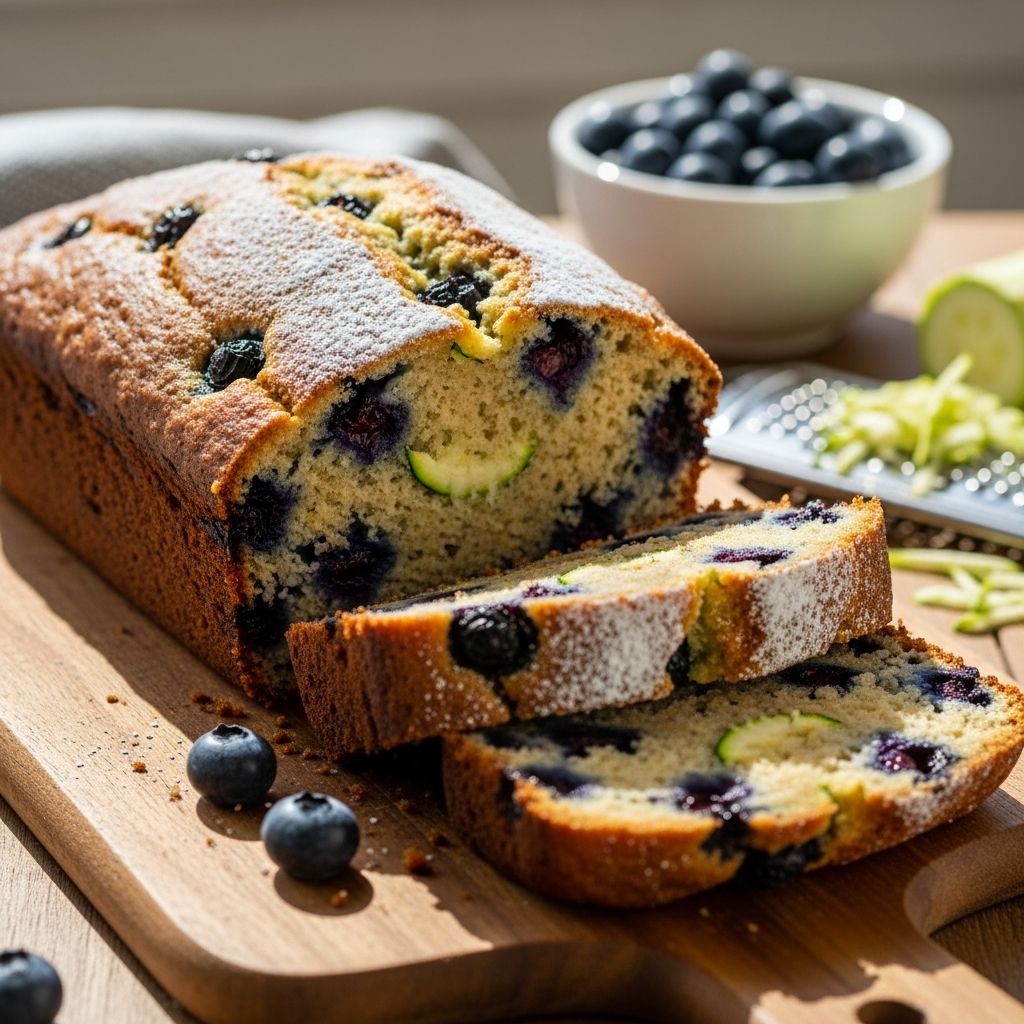
Quick breads represent one of the most accessible and rewarding categories of home baking, offering minimal equipment requirements while delivering impressive results that impress family and friends alike. Among these beloved treats, blueberry zucchini bread stands out as a particularly versatile creation that transforms humble garden vegetables into an elegant baked good. This combination merges the subtle earthiness of shredded zucchini with the bright, natural sweetness of fresh blueberries, creating a texture that remains moist and tender long after cooling.
The appeal of this particular bread extends beyond its delightful flavor profile. It represents an excellent solution for those seeking to reduce food waste, particularly during peak zucchini season when gardeners find themselves with an abundance of this prolific vegetable. Beyond practical benefits, this bread serves multiple purposes in daily life—working equally well as a grab-and-go breakfast option, an afternoon snack, or an impressive dessert when topped with a light glaze or cream cheese frosting.
Understanding the Core Ingredients
Creating a successful blueberry zucchini bread begins with understanding each ingredient’s role in the final product. Unlike more complex recipes, this quick bread relies on straightforward components that work together to establish proper structure, moisture, and flavor balance.
The Foundation: Fats and Liquids
Vegetable oil serves as the primary fat in most traditional blueberry zucchini bread recipes, contributing moisture and tenderness throughout the crumb structure. Oil-based breads typically remain moist longer than their butter-based counterparts, making this choice particularly advantageous for a quick bread designed to maintain quality over several days. The neutral flavor of vegetable oil allows the starring ingredients—blueberries and zucchini—to shine without introducing competing tastes.
For those seeking lighter alternatives, applesauce can replace a portion or all of the oil, reducing overall fat content while maintaining adequate moisture. Melted butter offers another option for bakers preferring traditional dairy, though it will produce a slightly denser crumb and may require adjustments to baking time.
The Sweetening Elements
Most recipes employ a combination of granulated and brown sugar, with the brown sugar contributing depth through its molasses content while granulated sugar ensures proper sweetness distribution and texture development. This dual-sugar approach prevents the bread from becoming one-dimensional in flavor while supporting the chemical reactions necessary for optimal browning and moisture retention. The sugar quantity can be adjusted based on personal preference and the natural sweetness of the blueberries being used.
The Structure Builders
All-purpose flour provides the structural framework, while baking soda and baking powder work together to create lift and a tender crumb. The interplay between these leavening agents creates the characteristic open texture associated with quality quick breads. Some bakers prefer incorporating whole wheat flour for added nutrition and a subtle nutty undertone, which complements both zucchini and blueberry flavors beautifully.
The Binding Agent and Moisture
Eggs emulsify ingredients and contribute structural support, while the shredded zucchini provides both moisture and fiber. Unlike other vegetables, zucchini contains sufficient water content to hydrate the batter without requiring additional liquid additions. This natural moisture source explains why zucchini breads remain so tender and moist throughout their shelf life.
The Flavor Enhancers
Ground cinnamon adds warmth and complexity that subtly enhances both fruit and vegetable components without overpowering delicate flavors. Vanilla extract contributes aromatic depth, while lemon zest introduces brightness that cuts through richness and emphasizes the natural tartness of blueberries. These flavorings work synergistically to create a sophisticated taste profile despite the recipe’s straightforward ingredient list.
Preparing Your Ingredients: Essential Techniques
Success in baking depends heavily on proper ingredient preparation and understanding how each component contributes to the final result.
Zucchini Processing Methods
The size and moisture content of zucchini directly impact bread texture and baking time. A box grater or food processor creates properly sized shreds that integrate seamlessly into the batter. Larger zucchini with thick skins may benefit from peeling, though most recipes accommodate unpeeled medium zucchini without issue. Interestingly, there is no need to wring or squeeze liquid from shredded zucchini before incorporating it into the batter—the vegetables’ natural moisture contributes to the bread’s signature tenderness.
The choice between a box grater and food processor affects final texture slightly. A box grater produces finer, more uniform strands that distribute evenly throughout the batter, while a food processor creates longer shreds that may produce a slightly coarser crumb. Most home bakers find either method produces satisfactory results.
Blueberry Preparation and Handling
Fresh blueberries represent the ideal choice, offering superior flavor and texture. However, frozen blueberries work equally well when fresh berries are unavailable, with no thawing required. A crucial technique involves tossing blueberries in a small amount of flour—typically one to two tablespoons from the total flour measurement—before folding them into the batter. This simple step coats the berries with a thin flour layer that absorbs moisture and prevents them from sinking to the bottom of the loaf pan during baking.
Ingredient Temperature and Preparation
Using room-temperature eggs facilitates proper emulsification and integration with other wet ingredients. Setting eggs out for approximately thirty minutes before baking ensures optimal results. All other ingredients benefit from being assembled and measured before beginning the mixing process, streamlining the baking sequence and preventing oversights.
The Mixing Method: Achieving Optimal Texture
The approach to combining ingredients significantly affects the final bread’s crumb structure and moisture retention.
Wet and Dry Ingredient Preparation
Keeping wet and dry ingredients separate until the final combination allows for better control over mixing intensity. In a large bowl, whisk together flour, baking soda, baking powder, salt, and cinnamon, ensuring even distribution of leavening agents throughout the dry mixture. In a separate bowl, whisk the sugar, oil, eggs, and vanilla until thoroughly blended, then incorporate the shredded zucchini and any optional lemon zest.
The Critical Combining Step
Once wet and dry ingredients are prepared, the combining technique becomes paramount. Rather than vigorous mixing that develops gluten and creates a dense crumb, gentle stirring or folding—using either a spatula or wooden spoon—until just barely combined produces the most tender result. A few streaks of flour remaining in the batter at this stage are perfectly acceptable and actually preferable to overmixing. This approach maintains the delicate crumb structure essential to quality quick breads.
Incorporating the Blueberries
Adding floured blueberries represents the final step before pan preparation. A gentle folding motion ensures even distribution without crushing the berries or deflating incorporated air. Some bakers choose to reserve a few whole blueberries for pressing into the top of the batter before baking, creating an attractive presentation.
Baking Process and Temperature Control
Proper oven temperature and pan preparation establish the foundation for successful baking results.
Pan Preparation
Preparing the loaf pan prevents sticking and simplifies removal. Greasing and flouring a standard 9-by-5-by-3-inch loaf pan provides the most straightforward approach. Alternatively, lining the pan with parchment paper creates an easy-release system while allowing the bread to be removed as a complete unit with minimal effort.
Oven Temperature Considerations
Most recipes call for 350°F, a moderate temperature that allows the bread to bake through without excessive browning on the exterior. Some lower-fat or lighter variations may reduce temperature to 325°F to prevent excessive browning while ensuring thorough interior baking. Preheating the oven to the target temperature for at least fifteen minutes ensures consistent results.
Baking Duration and Doneness Testing
Typical baking time ranges from thirty to fifty-five minutes depending on pan size, oven variations, and specific recipe proportions. A toothpick inserted into the bread’s center provides the most reliable doneness test—it should emerge clean or with just a few moist crumbs clinging to it. If the exterior begins browning excessively before the interior finishes baking, covering the loaf loosely with aluminum foil prevents over-browning while allowing internal cooking to continue.
Creative Variations and Customizations
The basic blueberry zucchini bread framework accommodates numerous variations, allowing bakers to customize recipes according to personal preferences and dietary considerations.
Texture Modifications
Incorporating chopped nuts—such as walnuts or pecans—adds textural contrast and subtle earthiness. Shredded coconut introduces tropical undertones and additional moisture. Whole wheat flour substitution, using up to half the total flour measurement, increases nutritional density while producing a slightly nuttier flavor and denser crumb than all-purpose flour alone.
Flavor Enhancements
Beyond the traditional lemon zest, other citrus zests—orange, lime, or grapefruit—create interesting variations. Additional spices such as nutmeg or cardamom introduce warming notes, while almond extract adds depth to the blueberry flavor. Poppy seeds contribute visual interest and subtle textural contrast.
Dietary Accommodations
For reduced-fat versions, applesauce replaces a portion of the oil while maintaining moisture. Sugar-conscious bakers might incorporate monk fruit sweetener or reduce sugar quantities by up to twenty-five percent. Gluten-free flour blends substitute for all-purpose flour when necessary, though recipes may require slight liquid adjustments to maintain proper batter consistency.
Storage and Shelf Life Considerations
Proper storage extends the enjoyment period and maintains quality.
Once completely cooled, blueberry zucchini bread keeps well at room temperature in an airtight container for three to four days. The moisture content from zucchini prevents the bread from drying out quickly, unlike many quick breads. Refrigeration extends storage to one week, while freezing allows preservation for up to three months. For optimal freezer storage, wrap cooled bread tightly in plastic wrap followed by a layer of aluminum foil, preventing freezer burn while maintaining texture upon thawing.
Troubleshooting Common Issues
| Issue | Potential Cause | Solution |
|---|---|---|
| Dense, Heavy Crumb | Overmixing or incorrect leavening | Mix gently until just combined; verify baking soda and powder freshness |
| Blueberries Sink to Bottom | Blueberries not coated with flour | Toss berries with flour before folding into batter |
| Excessive Browning | Oven temperature too high or baking time too long | Cover with foil; reduce temperature by 25°F and retest |
| Dry Bread | Overbaking or insufficient zucchini moisture | Reduce baking time by 5 minutes; verify zucchini quantity |
Frequently Asked Questions
Can I Use Frozen Blueberries Instead of Fresh?
Yes, frozen blueberries work excellently and require no thawing before use. They may produce slightly softer texture compared to fresh berries but maintain good flavor distribution throughout the bread.
What Pan Size Works Best for This Recipe?
A standard 9-by-5-by-3-inch loaf pan is ideal. This recipe can also be divided among smaller mini-loaf pans or muffin tins, though baking times will decrease accordingly—typically to twenty to thirty minutes for muffins.
Does the Zucchini Need to Be Peeled?
Peeling is optional for medium-sized zucchini with thin skins. Larger zucchini with thicker skins benefit from peeling, as the skin can become tough during baking.
Can Oil Be Replaced with Butter?
Yes, melted butter substitutes directly for oil in equal quantities. The resulting bread will have a slightly different texture and flavor but remains delicious.
How Long Will Baked Bread Keep?
Stored properly in an airtight container at room temperature, the bread maintains quality for three to four days. Refrigeration extends this to one week, while freezing preserves quality for up to three months.
References
- Blueberry Zucchini Bread — Olive & Mango. Accessed April 2026. https://www.oliveandmango.com/blueberry-zucchini-bread/
- Blueberry Zucchini Bread Recipe — Skinnytaste. Accessed April 2026. https://www.skinnytaste.com/blueberry-zucchini-bread/
- Blueberry Zucchini Bread Recipe — Hoosier Homemade. Accessed April 2026. https://hoosierhomemade.com/blueberry-zucchini-bread-recipe/
- Blueberry Zucchini Bread — Dash of Sanity. Accessed April 2026. https://dashofsanity.com/blueberry-zucchini-bread/
Similar Articles






Read full bio of medha deb